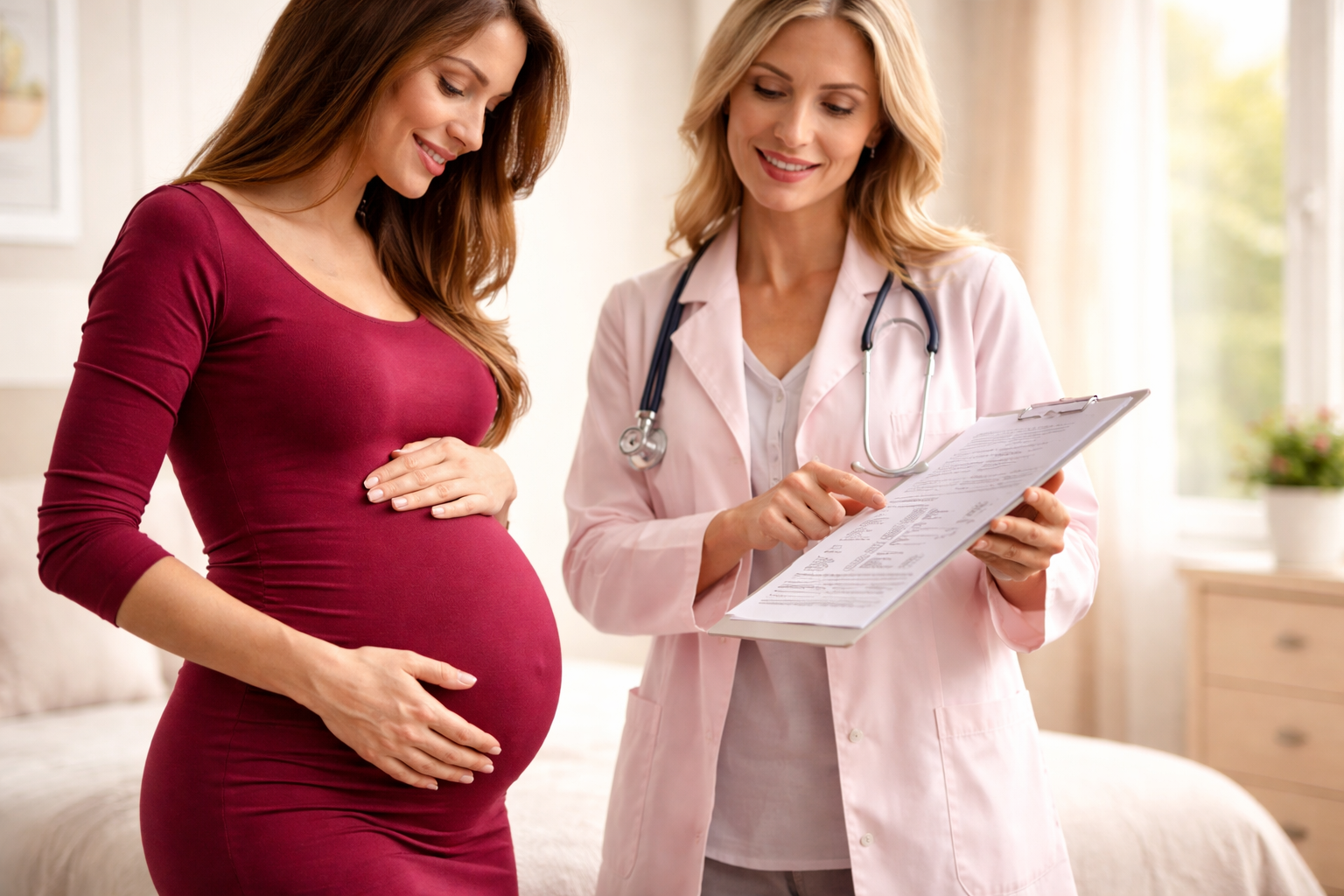

37 weeks pregnancy is the time nearing the end of the entire gestation period. At this time, the baby’s growth is almost complete and he is now full term. The baby usually weighs 2.8–3.2 kg and is about 48–50 cm long. The lungs and other organs are fully developed, which helps in normal breathing and temperature regulation after birth.
The mother’s body is also preparing for delivery. Mild aches, back pain, sleep problems, and a feeling of urgency are normal during this time. Regular doctor visits, adequate rest, light exercise, and a nutritious diet are important.
Baby at 37 weeks pregnant
At 37 weeks pregnant, the baby’s growth is almost complete and is now called full term. At this time, the baby usually weighs 2.8–3.2 kg and is about 48–51 cm long. The baby’s lungs are now ready to work well, making it easier to breathe after birth. In addition, brain development is going fast and more fat is accumulating in the body, which will help keep the baby warm after birth.
This week, the baby’s head usually drops down and is positioned in the pelvis, so the mother’s stomach may feel heavy. The baby’s movements will remain the same as before, but the kicks may seem a little slower because there is less space. Now you may experience regular pain, back pressure or signs of labor, so it is important to be alert. It is very important to get enough rest, drink water and follow the doctor’s advice.
37 Weeks Pregnancy Symptoms
37 weeks pregnancy means that you are now almost at the end of the pregnancy and delivery can occur at any time. At this time, the baby’s growth is almost complete and the body starts preparing for delivery. Therefore, various new symptoms may appear in the mother’s body or some previous problems may be felt more. Although most of the symptoms are normal, there are some symptoms that cannot be ignored. Below are the common symptoms of 37 weeks of pregnancy in detail:
1. Lowering of the abdomen (Lightening)
At 37 weeks, many mothers feel that the abdomen has dropped lower than before. This is because the baby’s head starts to settle towards the pelvis, which is part of the preparation for delivery. As a result, it feels a little easier to breathe, but at the same time, the pressure on the lower back increases. Sometimes walking or sitting may be uncomfortable and it feels like there is a heavy pressure on the pelvis.
2. Pressure and pain in the lower abdomen
It is very common to feel pressure in the lower abdomen and lower back during this time as the baby’s weight increases. Pain may occur as the bones and muscles of the pelvis begin to stretch. This pain is especially worse when walking a lot or standing for a long time. Some relief can be obtained by resting.
3. Braxton Hicks Contractions (False Labor Pain)
Irregular contractions or Braxton Hicks pain can be very severe at 37 weeks. This is not true labor pain, but rather the uterus is preparing for delivery. Usually, this pain is not regular and decreases with rest or drinking water. However, if the pain becomes regular and increases over time, then it may be an indication of true labor.
4. Back Pain
It is very normal for the mother to have pain in her waist and back during this period. This is because the baby’s head is positioned downward, which increases the pressure on the lumbar bones. In addition, the change in body balance also puts pressure on the spine. Standing or sitting in one place for a long time can increase the pain.
5. Frequent urination
At 37 weeks, the baby’s head presses on the mother’s bladder, resulting in frequent urination. Sometimes you may feel like you have to go again after urinating. This is normal, but if there is burning or pain during urination, there is a possibility of infection, so it is important to see a doctor quickly.
6. Increased white vaginal discharge
During this time, white or light milky discharge may increase from the vagina. This is a normal change in the body. However, if the discharge is foul-smelling, yellow/green in color, or itchy, then there may be an infection. Again, if the discharge is watery, it may be a sign of water breaking, so you should contact the hospital quickly.
7. Fatigue and feeling heavy in the body
At 37 weeks, the body feels very heavy and fatigue comes quickly. Due to the baby’s weight gain, sleep problems, and excessive stress on the body, the mother’s energy can decrease. Sometimes, it is normal to feel short of breath or weak even after doing a little work. Therefore, it is important to get more rest during this time.
8. Sleep Problem
Many mothers do not sleep properly during this time. The growing belly makes it difficult to sleep comfortably, and frequent urination and Braxton Hicks contractions can disrupt sleep. Mental stress can also increase sleep problems. Try sleeping on your side and use pillows if necessary.
9. Swelling of the hands and feet
At 37 weeks, your hands and feet may swell due to fluid retention. This is usually normal and will subside with rest. However, if you suddenly have a swollen face, swelling around your eyes, or a headache and blurred vision, this could be a sign of pre-eclampsia. You should see a doctor immediately.
10. Mood swings and emotional instability
Many mothers become emotionally unstable as the delivery time approaches. Due to hormonal changes, you may feel happy, scared, or anxious. Although this is normal, if you feel overly stressed, it is important to talk to your family and seek emotional support.
When should you see a doctor immediately?
- If you have bleeding
- If your water breaks (watery fluid comes out)
- If your baby’s movements decrease
- If you have a severe headache or blurred vision
- If you start having regular and strong labor pains
How big is a baby at 37 Weeks Pregnancy?
At 37 weeks pregnant, the baby is almost fully formed. At this time, the average length of the baby is about 48–50 cm and the weight is about 2.8–3.2 kg. The baby’s body is accumulating enough fat, which helps regulate body temperature after birth. The baby’s skin is smoother and the facial structure is clearly visible.

At this time, the baby’s lungs are almost completely ready, so that it can breathe easily after birth. The baby’s movements may seem a little less, as the space in the womb is reduced, but it is important to feel regular movements. The head is usually positioned lower and the baby is preparing for birth. Regular checkups and a healthy diet are very important during this time.
Is my baby developed at 37 Weeks Pregnancy?
By 37 weeks pregnancy, the baby’s development is usually almost complete. At this time, the baby is considered full term, meaning that it is very much ready for birth. The baby’s lungs are well-developed and its ability to breathe is almost complete. In addition, the baby’s brain is developing rapidly and the nervous system is getting stronger. Due to the accumulation of fat in the body, the baby’s cheeks and skin look fuller.
This week, the baby usually weighs 2.8 to 3.4 kg and is about 48–50 cm long. The baby’s arms and legs are getting stronger and the nails are also growing. Many babies are in the head-down position, moving into the delivery position. Increased pressure on the mother’s abdomen can cause shortness of breath, frequent urination, and fatigue. Regular doctor checkups are very important.
37 Weeks Pregnancy is how many months?
37 weeks pregnancy generally means that it is 9 months of pregnancy. Because if we take an average of 4 weeks in 1 month, 36 weeks is almost 9 months, and at 37 weeks, the mother is almost at the end of 9 months. This period is often called “full term” because most of the baby’s body organs are almost completely formed and ready for birth.
At 37 weeks, the baby’s weight can usually be 2.8–3.2 kg and the length is about 48–50 cm. At this time, the baby’s lungs are stronger and fat accumulates in the body. Due to increased pressure on the mother’s abdomen, shortness of breath, frequent urination, back pain, or a feeling of heaviness in the lower abdomen may occur. It is important to see a doctor regularly and rest.
Pregnancy Time Calculator
Baby’s position
At 37 weeks pregnancy, the baby’s position usually begins to prepare for birth. At this time, most babies are in a head-down position, which is called a cephalic position. This increases the chances of a normal delivery. The baby’s head gradually starts to settle into the mother’s pelvis, which allows the mother’s stomach to drop slightly and makes breathing easier. However, due to increased pressure in the pelvis, there may be pressure to urinate or a feeling of heaviness in the lower abdomen.
In some cases, the baby may be in a breech position or transverse position. If the baby’s head does not descend even at 37 weeks, the doctor will confirm the position by doing an ultrasound and, if necessary, will recommend special exercises or medical treatment. If the baby’s position is correct, it is beneficial for the mother to walk regularly, rest, and drink enough water. If any unusual pain or signs of water breaking occur, it is important to contact the hospital immediately.
37 week ultrasound
A 37 week ultrasound of pregnancy is a very important test, because the baby’s growth is almost complete at this time. Usually, the baby weighs about 2.8–3.5 kg and is about 48–52 cm long this week. Ultrasound checks the baby’s heartbeat, movements, breathing patterns, and body position (whether the head is down or not). It also checks the position of the placenta, the amount of amniotic fluid, and whether the baby’s growth rate is correct.
In this week’s ultrasound, the doctor helps prepare for delivery by estimating the size of the baby’s head, abdomen, and weight. It also checks whether the baby’s umbilical cord blood flow is normal. If the baby is in a breech position or there is more or less water, special advice is given. Regular checkups and ultrasounds are very beneficial for a safe delivery for the mother and baby.
Your Pregnant Belly at 37 Weeks
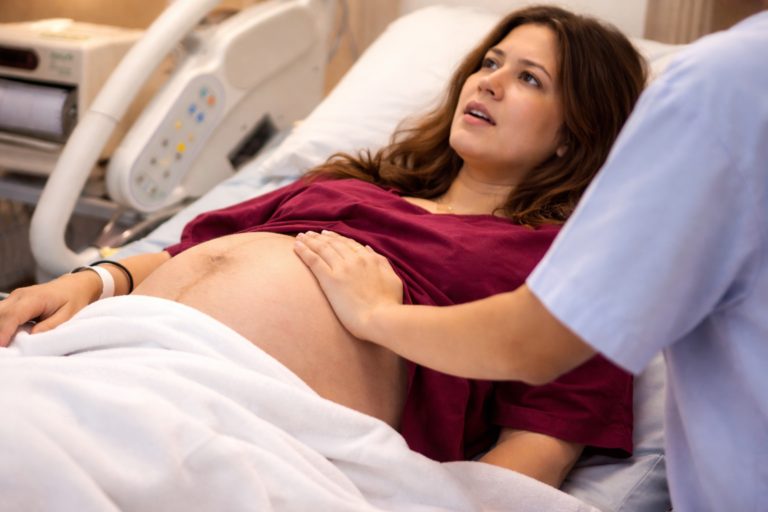
At 37 weeks pregnant, the belly size becomes much larger and heavier. At this time, the baby usually starts to descend, so many mothers may feel their stomachs are a little lower. Abdominal tightness, itchy skin, stretch marks, and a protruding navel are normal. In addition, the baby’s movements are the same as before, but due to the lack of space, the movements may feel a little slower or more pressured.

At this time, the mother’s belly weight can cause back pain, difficulty walking, frequent urination, and sleep problems. Braxton Hicks contractions may also increase, which feel like a tightening of the stomach. Drinking enough water, resting, walking lightly, and wearing comfortable clothes are beneficial. It is important to see a doctor immediately if there is any unusual pain or bleeding.
Signs of Labor at 37 Weeks Pregnancy
If signs of labor appear at 37 weeks pregnancy, the mother needs to be alert. At this time, regular abdominal tightening or pain may begin, which may not be Braxton Hicks but may also be true labor pains. If the pain comes at a certain time and gradually intensifies, then this is a sign of labor. In addition, there may be pressure in the waist and lower abdomen, heaviness in the legs and pelvis, and discomfort in walking due to the baby descending. Sometimes light bloody discharge (bloody show) is seen.
Another important symptom is the water breaking, that is, the sudden release of fluid. If this happens, you should contact the hospital immediately. You may also experience diarrhea, vomiting, or unusual weakness in the body. If the baby’s movements decrease, severe headache occurs, or bleeding begins, then you should consult a doctor without delay. At 37 weeks, the baby is usually full-term, so any labor sign should be taken seriously.
Is it safe to deliver at 37 Weeks Pregnancy?
Delivering at 37 weeks is generally considered safe, as it is considered a full-term pregnancy. At this time, most of the baby’s vital organs, including the lungs, are fully developed, and the baby has good ability to breathe, feed, and regulate body temperature. In many cases, babies born at 37 weeks are naturally healthy and do not require any special incubators or additional treatment.
However, in some cases, the baby may be underweight or may have mild jaundice, breathing problems, or feeding problems. If the mother has problems such as high blood pressure, diabetes, dehydration, bleeding, or decreased baby movement, it is important to seek medical attention immediately. Overall, delivery at 37 weeks is generally safe, but medical monitoring is very important.
37 Weeks Pregnancy Checklist
- Pack hospital bag
- Finalize birth plan
- Install car seat
- Prepare baby’s clothes and diapers
- Arrange support at home
- Schedule last prenatal appointment
- Stay hydrated and rest well
Tips for 37 Weeks Pregnancy
37 weeks pregnancy is the time very close to delivery. At this time, the baby is almost fully developed and the mother’s body is also getting ready to give birth to the baby. At this stage, physical and mental preparation is essential for the mother. By following some simple tips, this time can be made more comfortable and safe.
1. Regular doctor check-ups
Regular check-ups are very important at 37 weeks. The doctor will check your baby’s position, heart sounds, and amniotic fluid or any risk signs. If you feel any abnormalities or pain, contact the doctor without delay.
2. Light exercise and walking
Long walks, light yoga or pelvic exercises are very beneficial for the mother. These not only help to keep the muscles strong, but also help in the correct position of the baby’s head. However, excessive stress or heavy work should be avoided.
3. Adequate rest and sleep
Sufficient sleep is essential to keep the body strong. You can sleep with a pillow under your back to reduce pressure. Taking light rest during the day also keeps the brain and body fresh.
4. Eat nutritious food
A diet rich in protein, iron, calcium and vitamins is very important during this time. Drink plenty of water to stay hydrated. Avoid excess coffee or sugar.
5. Mental preparation
It is important to be mentally prepared before birth. Deep breathing, meditation or prayer can help reduce stress. Discuss the birth plan with family members.
6. Have a birth chart and bag ready
Prepare all the necessary things for delivery in advance—birth chart, baby clothes, mother’s essentials. This will make it easier to stay calm in unexpected situations.
Conclusion
A 37 weeks pregnancy is a crucial time for both mother and baby. Regular checkups are essential to ensure the baby’s position and health. Exercise, adequate rest, and a healthy diet are helpful for the mother’s comfort and the baby’s development.
Delivery can begin at any time, so it is important to identify signs of labor and unusual problems. Being vigilant, supporting your family, and following your doctor’s advice can make a 37-week pregnancy safe and stress-free.