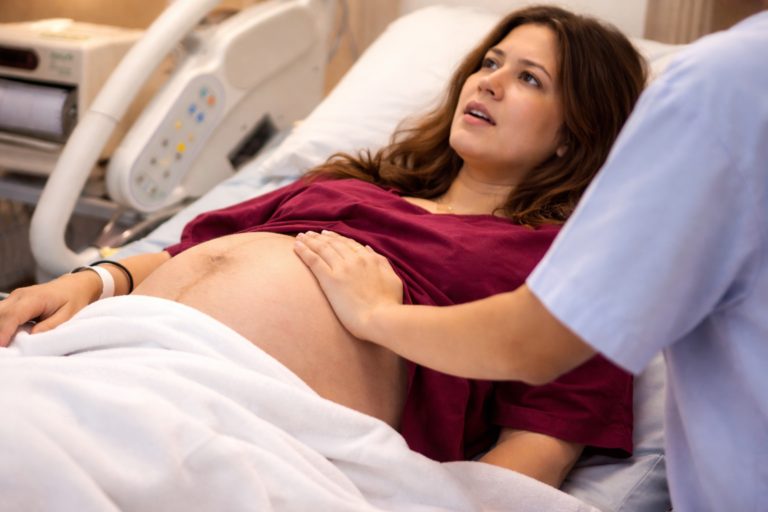


At 38 weeks pregnant, the baby is almost fully developed and ready for birth. Most organs are mature, and the baby may weigh around 3 kg. The mother may feel increased pressure, fatigue, and frequent urination as the body prepares for labor and delivery in the coming days ahead.
At this stage, it is important to stay calm, eat nutritious food, and follow doctor advice regularly. Signs of labor such as contractions, water breaking, or bleeding should not be ignored. Proper rest, hydration, and preparation help ensure a safe delivery for both mother and baby during this period.
Baby at 38 Weeks Pregnancy
At 38 weeks pregnant, the baby’s growth is almost complete and he is ready to be born as a full-term baby. At this time, the baby usually weighs 2.8–3.5 kg and is 48–52 cm long. His lungs are fully developed, so he will be able to breathe easily after birth. Hair, nails, and skin have also developed, and body fat is increasing, which will help keep the baby warm after birth.
The mother’s body is also going through many changes. During this time, the belly may become very large and there may be some difficulty in walking. Regular rest, drinking enough water, and eating nutritious food are important. Birth preparation and necessary checkups should be ensured as advised by the doctor or health worker. Maintaining peace of mind is helpful for the baby’s well-being.
38 Weeks Pregnancy Symptoms
38 weeks pregnancy means that you are now almost at the end of the pregnancy and the baby may be born at any time. At this time, the baby’s weight and growth are almost complete and the body is preparing for childbirth. Therefore, it is very normal for the mother’s body to experience various changes and discomfort. Sometimes these symptoms can increase suddenly, while some symptoms increase gradually. It is very important to understand the body’s signals well and be alert during this week.
1. Pressure and heaviness in the lower abdomen
The baby’s head usually moves downward during this week, as a result of which the mother’s lower abdomen may feel very pressured. Walking, sitting or getting up may be difficult and the stomach may feel like it has dropped further. Sometimes this pressure causes a feeling of pain or tightness in the pelvic area. This is a common sign of preparation for childbirth.
2. Frequent urination
At 38 weeks, the baby’s head puts pressure on the bladder, so there is a frequent need to urinate. Sometimes even if you urinate a little, you feel like you have to go to the toilet quickly. You may have to get up several times during sleep at night to urinate. Although this is normal, it is important to inform the doctor immediately if you experience burning or pain during urination.
3. Back pain and discomfort in the waist
The weight of the baby increases, which causes pressure on the spine, resulting in pain in the waist and back. The pain may increase while walking or standing for a long time. In many mothers, the pain spreads from the waist downwards. This is considered a common symptom of labor.
4. Braxton Hicks Contractions (False Contractions)
During this time, irregular contractions or a feeling of tightening in the stomach may be very common. These are called Braxton Hicks, which prepare the body for labor. Usually they subside after a while and are not regular. However, if the contractions become regular and the pain increases, then it may be true labor pain.
5. Increased white or thick vaginal discharge
At 38 weeks, white or light yellow vaginal discharge may increase. Sometimes the discharge is thick and slightly sticky. This is part of the body’s normal changes and helps protect against infection. However, if the discharge is foul-smelling, itchy, or green, you should see a doctor.
6. Mucus plug (Bloody Show)
Many mothers may experience a mucus plug this week, which looks like jelly and may sometimes be mixed with a little blood. This usually occurs when the cervix begins to open for delivery. This is a sign that delivery is near, but labor may not start immediately.
7. Sleep problems and fatigue
At 38 weeks, it becomes difficult to sleep comfortably due to the large belly. Frequent urination, back pain, and baby movements can disrupt sleep. Sometimes the mother’s body feels extremely tired and weak. It is very important to get enough rest during this time.
8. Swelling of the legs and water retention
This week, the legs, ankles, and hands may swell slightly. This is due to excess water retention in the body. This swelling is more common after standing for a long time or in hot weather. However, if your face suddenly swells or you experience dizziness and blurred vision, it is important to seek medical advice immediately.
9. Pelvic pain and difficulty walking
The baby’s descent can put pressure on the pelvic bones and cause pain. Sometimes it feels like you can’t balance while walking. Some mothers feel a tightness in their bones or a headache. This is usually normal and is more common just before labor.
10. Diarrhea or stomach upset
Sometimes, mild diarrhea or stomach upset may occur as the body tries to cleanse itself before labor. This is due to hormonal changes, and in many mothers, these symptoms appear before labor. However, you should be careful if you are excessively dehydrated.
When should you see a doctor quickly?
If bleeding, water breaking, decreased baby movement, severe headache, blurred vision, or regular painful contractions begin—then you should contact the hospital immediately.
How big is a baby at 38 Weeks Pregnancy?
At 38 weeks pregnant, the baby is almost fully formed and almost ready for birth. At this time, the average length of the baby is usually 49–51 cm and the weight can be about 3.0–3.4 kg. The amount of fat in the baby’s body increases, which helps to keep the body warm after birth. The skin is smoother than before and the baby’s nails and hair are also quite clearly formed.

At this time, the baby’s lungs, brain and other organs are almost fully functional. Since the baby now has less space inside the uterus, movement may seem a little less, but regular movements are normal. Many babies move into the birth position with their head down this week. So the mother usually feels more pressure and a heavy feeling in the lower abdomen.
38 Weeks Pregnancy is how many months?
A 38 weeks pregnancy is usually considered to be around 9 months. This is because the average duration of pregnancy is 40 weeks. So 38 weeks is about 8 months 3 weeks to 9 months. This period is often called “full term” because most of the baby’s body parts are almost completely formed and are getting ready for birth.
At 38 weeks, the mother may usually experience a heavy stomach, lower back pain, frequent urination, sleep problems, and mild contractions. The baby’s movements are regular, but may feel less strong than before due to the limited space. Labor can begin at any time during this time, so it is very important to have a hospital bag ready and have regular checkups as advised by the doctor.
Pregnancy Time Calculator
Cervix check
Cervix Check at 38 weeks pregnancy is done to check how much the cervix has opened (dilation), how much it has thinned (effacement), how much the baby’s head has descended (station) and whether the cervix has softened. Usually, a doctor or midwife performs this check through a vaginal examination with gloves on. It gives an idea of how close labor is, but it is not possible to say for sure when labor will begin just by looking at how much the cervix is open.
This test can be a little uncomfortable and there may be mild pain, a feeling of pressure or a little spotting, which is usually normal. However, if there is heavy bleeding, severe pain, water breaking or the baby’s movement decreases, it is important to contact the hospital immediately. Cervix check often helps to understand labor readiness and helps to take a treatment plan if necessary.
38 week ultrasound
The 38 week ultrasound is an important test to check the position and well-being of the baby in the last stages of pregnancy. During this time, the ultrasound checks whether the baby is in a head-down position, whether the heartbeat is normal, and whether the baby is moving properly. In addition, the estimated weight, length, and position of the placenta are also checked, so that it is understood in advance if there are any risks during delivery.
The amount of amniotic fluid or amniotic fluid can also be checked in the 38th week ultrasound, because if the amount of water is low, it can cause problems for the baby. The doctor may recommend a biophysical profile (BPP) or Doppler test if necessary. If the report is good, it is a matter of relief, and if any problems are detected, quick action can be taken. Therefore, ultrasound at this time is very helpful for the safe delivery of the mother and baby.
Your Pregnant Belly at 38 Weeks
At 38 weeks pregnant, your belly may feel larger and heavier than it used to be. The baby is starting to descend, making your belly look a little lower. Many mothers have difficulty walking, their stomach feels tight, and their belly button may protrude. Stretch marks may also become more noticeable, and your skin may feel itchy or dry.

Your baby’s movements in your belly will remain the same at this stage, but the pattern of movements may change as there is less space. Sometimes you may feel tightening in your belly, or Braxton Hicks contractions, which are preparing your body for labor. Frequent urination, lower back pain, and trouble sleeping are normal. Getting plenty of rest, light walks, and drinking plenty of water can help you relax.
Signs of Labor at 38 Weeks Pregnancy
Many mothers begin to experience early signs of labor at 38 weeks pregnancy. During this time, regular abdominal pain or contractions may be felt, which gradually become stronger and more frequent. Increased pressure in the waist and lower abdomen, feeling heavy, difficulty walking, and frequent urination are also common symptoms. In addition, the abdomen may feel slightly lower when the baby’s head drops.
Another important sign is the breaking of the water or the discharge of water from the vagina. In some mothers, bloody mucus (bloody show) is seen, which is an indication that the cervix is starting to open. There may also be diarrhea, mild nausea, excessive fatigue, or a sudden increase in strength. If these symptoms occur and the pain is regular, it is important to contact a doctor immediately.
How dilated should I be at 38 Weeks Pregnancy?
It is not possible to say exactly how dilated (open) the cervix will be at 38 weeks pregnancy, because every mother’s body is different. At this time, many mothers’ cervix may be dilated from 0 to 3 centimeters, while in some cases it may be as much as 4 centimeters. However, just because the dilation is high does not mean that labor will begin very quickly. Many mothers can stay 2–3 centimeters dilated for a few days or weeks.
Generally, a 10-centimeter dilation is considered ready for full labor. But a slight dilation at 38 weeks is normal and is part of the body’s preparation. If you experience symptoms such as regular pain, water breaking, bleeding, or decreased baby movement, it is important to contact your doctor immediately. Regular checkups are the safest.
Can I deliver at 38 Weeks Pregnancy?
Many women can give birth naturally at 38 weeks pregnancy. This period is usually considered a “term pregnancy” because the baby’s physical development is almost complete. The baby’s lungs, brain, and other organs are now ready for birth. Therefore, delivery at 38 weeks usually does not pose any major risks to the baby. However, since every pregnancy is different, it is very important to seek medical advice.
Labor pains may begin at 38 weeks or the doctor may suggest induced delivery if necessary. During this time, the mother’s abdomen may drop, her water may break, or she may have regular contractions. If there is any unusual pain, bleeding, or the baby’s movements decrease, you should go to the hospital immediately. Safe delivery is possible at this time with proper monitoring and following the doctor’s instructions.
Tips for 38 Weeks Pregnancy
The 38 weeks pregnancy is a very important time, because at this stage the baby is almost completely ready for birth. In the case of many mothers, any signs of labor may begin from this time, so it is very important to pay attention to the changes in the body. There may be a little discomfort both physically and mentally during this time, but proper care and awareness will help you stay more comfortable.
1. Get enough rest
At 38 weeks, the body feels much heavier and gets tired easily. Therefore, it is very important to rest repeatedly during the day. Even if you do not get enough sleep, at least lie down and rest, especially lying on the left side helps to maintain good blood circulation and is also beneficial for the baby. Excessive work or heavy work should be avoided so that the body does not put extra stress on it.
2. Be aware of the signs of labor
During this time, labor can begin at any moment. Therefore, if you feel abdominal pain, regular contractions, water breaking or unusual pressure, you should contact the doctor immediately. If you know about the symptoms in advance, you can stay calm and take action at the right time.
3. Eat light and nutritious food
At this time, it is better to eat easily digestible and nutritious food instead of eating heavy food. Such as fruits, vegetables, milk, pulses and light protein. Drinking enough water is very important, because if the body is hydrated, it is also beneficial during childbirth. Excessive oily and spicy food should be avoided.
4. Seek regular doctor’s advice
Regular check-ups are very important at 38 weeks. The doctor monitors the baby’s position, heartbeat and whether your body is in good condition. If any unusual symptoms appear, you should seek advice without delay.
5. Maintain mental peace
Many mothers may feel fear or anxiety during this time, which is normal. However, do not worry too much and stay positive. You can do light walking, breathing exercises or do your favorite activities to keep your mind calm and reduce mental stress.
Conclusion
Thirty eight weeks pregnancy is a crucial time when the baby is fully developed and ready for birth. The mother may experience various physical changes and discomfort as the body prepares for labor. Understanding symptoms and staying alert helps ensure a safe and healthy delivery experience for mother and baby.
Weeks 38 also require careful monitoring, proper rest, hydration, and regular checkups. Any warning signs like severe pain, bleeding, or reduced baby movement should be taken seriously. Timely medical attention and preparation for hospital delivery are essential. Staying calm and informed helps make this final stage of pregnancy a safer period.