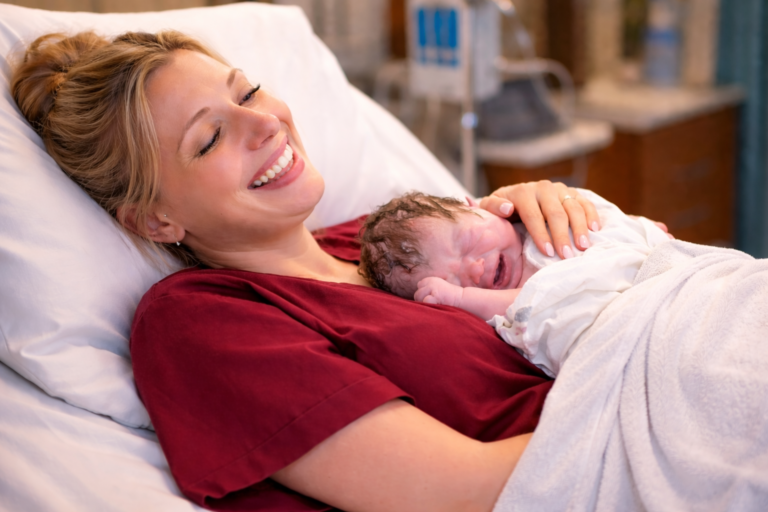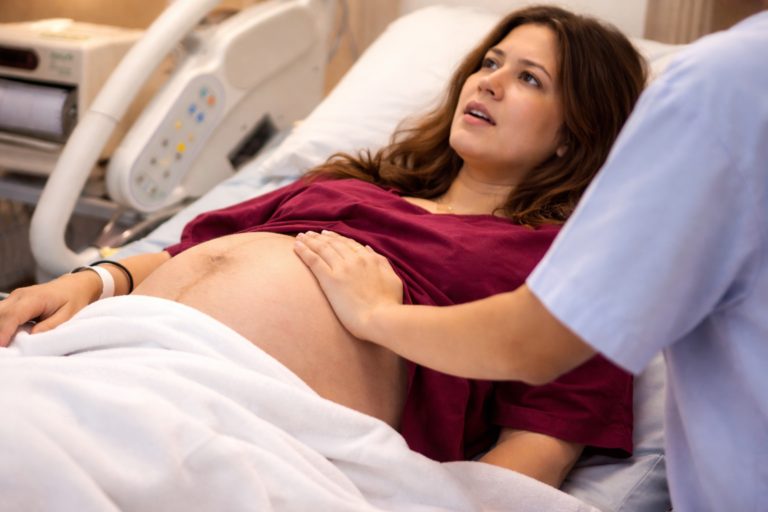


At 36 weeks pregnancy, both the mother and baby are entering the final stages of development. The baby’s organs, lungs, and brain are almost fully developed, and body fat accumulation helps regulate temperature after birth. Mothers may notice stronger fetal movements, mild pain, pre-labor contractions, and emotional changes. Regular medical checkups, proper nutrition, and adequate rest are essential for both mother and baby’s health. Understanding the changes during this week helps expectant mothers prepare mentally and physically for labor. Awareness and preparation ensure a safer, smoother, and more confident journey toward delivery.
Baby at 36 Weeks Pregnancy
At 36 weeks Pregnancy , the baby’s development is almost complete. At this time, the baby weighs about 2.5–3 kg and is about 48–51 cm long. The baby’s lungs are fully developed, which will help it breathe after birth. In addition, the brain, bones and organs are also almost fully developed. The baby’s body fat is accumulating, which will help it regulate heat after birth. In addition, the baby’s facial and eye features have become clear, and he can respond directly to light or sound.
The mother’s body also undergoes many changes during this time. Vomiting may decrease, but pain and pressure may be felt. Regular medical check-ups and rest are very important in the last weeks of pregnancy. Proper nutrition and hydration help ensure a healthy birth. It is also important for the mother to keep a positive mind, as mental stress can affect the birth process.
36 Weeks Pregnancy Symptoms
36 weeks pregnancy has entered the last trimester. At this time, physical and emotional changes become more obvious, and the baby’s growth is almost complete. The mother may experience some new symptoms due to various body organs and hormonal changes. In addition, preparations for childbirth begin gradually.
1. Baby’s activities are felt more clearly
At 36 weeks, the baby’s movements such as rotation and jumping become more obvious than before. The mother can sometimes clearly feel the baby’s elbow or leg bump. This is completely normal and indicates the baby’s activity.
2. Mild pain and discomfort
At this time, mild pain or pressure may be felt along the waist, back, and forehead. This discomfort is caused by the baby’s weight gain and uterine pressure. Light walking or changing positions can help reduce the pain.
3. Pre-labor contractions (Braxton Hicks)
The mother may feel occasional tightening or contractions in her abdomen. These are usually irregular and painless. This is a natural process of preparing the body for childbirth.
4. Frequent urination
The baby’s downward movement puts pressure on the bladder. As a result, the need to urinate may be more frequent than before.
5. Difficulty breathing
The position of the uterus and baby can reduce the space above the lungs. This can make it difficult to breathe, especially after standing for long periods of time.
6. Unusual swelling in the body
Mild swelling of the hands, feet, or toes may occur. This is often temporary and can be controlled by resting, reducing pressure on the feet, or drinking less water.
7. Emotional changes
Emotional tension, worry, and a little restlessness are normal in the latter stages of pregnancy. This is part of the natural preparation for labor.
How big is a baby at 36 Weeks Pregnancy?
The baby’s growth is noticeable at 36 weeks pregnancy. At this time, the baby’s weight can be about 2.5 to 2.8 kg and the length is about 46–48 cm. Body fat has started to accumulate, due to which the baby’s skin looks smooth and round. At any time, the baby’s bones and muscles are getting stronger and the lungs are getting ready to work fully. At this time, the baby’s brain is developing rapidly, and various organs of the body are working more effectively.

The baby’s movements inside the mother’s belly are still visible, but due to the limited space, the feeling of light pushing or spinning is more. At this time, the baby’s position is usually head down, which is suitable for birth. Regular medical advice and adequate rest help ensure a safe birth of the baby. Paying attention to food and nutrition is very important now.
36 Weeks Pregnancy is how many months?
36 weeks pregnancy is usually equal to about 8 months. The full duration of pregnancy is considered to be 40 weeks, which is close to 9 months. At this time, the baby’s growth and development are largely complete. At 36 weeks, the baby may weigh about 2.5 to 3 kg and its lungs, brain and other organs are almost ready for birth. At this stage, the mother can often feel the baby’s movements more clearly and may notice various changes in the body such as an enlarged abdomen, pain or discomfort, mild swelling, etc.
The health of the mother and the baby is very important at 36 weeks. The mother can continue to get enough rest, nutritious food and light exercise. Regular doctor’s consultation is necessary, so that any complications can be resolved in time. During this period, the baby can be born at any moment, so it is very important to prepare and be mentally ready. Family support and maintaining a positive mindset are very important to ensure a safe and healthy pregnancy.
Pregnancy Time Calculator
36 week ultrasound
The 36 week ultrasound provides important information to check the health of the pregnant mother and baby. At this time, the ultrasound shows the baby’s position, weight, and development of body organs. The doctor checks the baby’s bladder water, heartbeat, lung readiness, and chorionic position. If the baby’s position is not suitable, such as not being head down or being in a tense position, the doctor can plan a possible delivery. In addition, the estimated weight of the baby is predicted, which is important for the delivery and the mother’s health.
Some changes can also be observed in the mother’s body during this time. The normal functioning of the liver, kidneys, and urine is ensured. The mother’s high blood pressure, protein levels, and the condition of the placenta are checked, which helps prevent pre-eclampsia or other complications. Regular ultrasound at 36 weeks ensures that the mother and baby are in good health and makes it easier to prepare for delivery. It gives peace and confidence to the mother, because it is known whether the baby is developing properly.
Group B strep test
It is very important to get a Group B Strep (GBS) test at 36 weeks pregnancy. Some women may have this bacteria in their vagina and anus, even if they don’t feel sick. If GBS is transmitted during childbirth, it can cause serious infections in the newborn. This test is usually done at 36–37 weeks so that necessary measures can be taken before delivery. A sample is collected from the woman’s vagina using a cotton swab and tested in a laboratory.
If the test is positive, doctors usually start giving intravenous antibiotics at the time of delivery, which protects the baby from infection. This procedure is generally safe and is compatible with a normal delivery for many women. The test protects the health of the mother and baby and reduces any risks. Getting tested at the right time is the key to safety.
Biophysical profile
Biophysical Profile (BPP) at 36 weeks of pregnancy is an important test that helps determine the well-being of the baby. This test is usually done through ultrasound and non-stress test. Its main purpose is to evaluate the baby’s heart rate, breathing movements, muscle movements, amniotic fluid volume, and overall physical activity. Through this test at 36 weeks, doctors can understand whether the baby’s oxygen supply is okay and whether the baby’s growth in the womb is normal.
The BPP test is usually scored out of a total of 10 points. If each component is okay, 2 points are given, and if not, 0 points. This score helps in making decisions regarding the health of the baby and the mother. If the score is low, doctors can take additional tests or urgent measures for delivery. Therefore, it is very important to ensure the well-being of the baby through the BPP test at 36 weeks.
Is baby fully developed at 36 Weeks Pregnancy?
At 36 weeks pregnancy, the baby’s body development is almost complete. At this time, the baby’s weight usually ranges from 2.5–3 kg and the length reaches about 48–52 cm. Its lungs, brain and heart function are already quite developed. The skin is smooth and covered with white fat, which helps regulate heat after birth. In addition, although the baby’s bones are hard, the hip bones are still somewhat soft, so that it can easily pass through the birth canal at birth.
Some changes can also be observed in the mother’s body at this time. The baby’s position usually becomes lower, which is a sign of preparation for birth. Sudden hard abdominal pressure or mild pain may be felt. Although the baby’s development is almost complete, some small organs and functions are more perfect before birth. Adequate rest, a balanced diet and regular medical check-ups for the mother are very important during this time.
Your Pregnant Belly at 36 Weeks
At 36 weeks pregnancy, the mother’s belly may look much larger and plumper than before. At this time, the baby’s weight may be about 2.5–3 kg and the growth of various body parts is almost complete. As the belly grows, the mother may experience mild pain, pressure and discomfort in the body, especially in the back, waist and knee areas. Breathing may sometimes be a little difficult because the large belly reduces the lung space. Many mothers may find light swimming or leisurely walking beneficial at this time.

Also, the baby’s kicks and movements can be felt more clearly at 36 weeks. It is normal to feel pressure and tension in the abdomen and this is an indication of the baby’s activity. Proper nutrition, adequate rest and regular medical check-ups of the mother are very important at this stage. Mental peace and comfort during this time are helpful for the healthy development of the baby.
Signs of Labor at 36 Weeks Pregnancy
Signs of labor may appear at the 36 weeks pregnancy, which are a signal for the mother to prepare. During this time, many mothers may feel mild to moderate pain, a pulling or squeezing sensation in the abdomen. In addition, regular or irregular strong pulling or squeezing sensations may occur, often known as “natural contractions.” Sudden pressure in the abdomen, nausea, or changes in discharge may also occur.
Also, in the last stages of pregnancy, the baby may move downward, which makes it easier for the mother to breathe and increases the pressure of urination. Sudden watery discharge, bloody or red discharge, and regular abdominal contractions may be signs of labor. If these symptoms occur, the mother should make emergency preparations and contact a doctor or hospital.
Is it safe to deliver at 36 Weeks Pregnancy?
A baby born at 36 weeks is usually considered “pre-term,” but many of the baby’s organs are already fully developed at this time. Lung development is largely complete, so some babies may need some help breathing after birth. Babies born at 36 weeks are more likely to be underweight and may need some initial treatment to control their temperature. However, most babies are born healthy with few problems.
Delivering at 36 weeks is also generally safe for the mother, unless there are serious risks, such as high blood pressure, gestational diabetes, or infections. Doctors usually base their decisions on the health of the baby and the mother. Therefore, it is very important for expectant mothers to have regular checkups and follow their doctor’s advice to ensure the health of both the mother and the baby.
36 Weeks Pregnancy Checklist
Tips for 36 Weeks Pregnancy
At 36 weeks pregnancy, your body and baby’s growth are almost at the end. At this time, the baby’s weight and height are almost stable, and your body starts preparing for childbirth. Along with physical changes, mental preparation is also important. Proper care, adequate rest, and accurate information will give you comfort and security. Below are some important tips that will help you make this time safer and more comfortable.
1. Adequate rest and sleep
At 36 weeks, your body is using up extra energy. Therefore, it is very important to get adequate rest every day. Sleeping on your side is especially safe and beneficial for the baby. Placing a pillow under your stomach or legs while sleeping increases comfort.
2. Healthy diet
It is important for the baby and you to eat a balanced diet. Choose foods rich in protein, vitamins, calcium, and fiber. Drinking enough water helps in hormonal balance and preparation for childbirth. Excessive oily and spicy foods should be avoided.
3. Regular doctor consultation
Regular checkups are very important during this time. The doctor will monitor your and the baby’s health. Preparation for childbirth and any complications can be identified earlier.
4. Light exercise
A light walk or yoga suitable for childbirth prepares the body. It keeps the muscles strong and reduces stress. However, before doing any exercise, be sure to consult a doctor.
5. Preparation for childbirth
At this time, it is necessary to prepare a hospital bag, keep emergency documents and plan communication with family. This reduces stress and helps you take quick action in an emergency.
6. Mental preparation
It is normal to feel anxious or worried in the last stages of pregnancy. Meditation, light music or relaxation techniques help reduce stress. Talking to family and friends also gives a sense of security and calm.
Conclusion
By 36 weeks pregnancy, the baby is almost ready to meet the world, and the mother’s body is preparing for labor. Paying attention to proper rest, a balanced diet, and light exercise can help ease discomfort and promote a healthy delivery. Regular checkups, ultrasounds, and tests like the Group B Strep and Biophysical Profile ensure the safety of both mother and baby. Mental preparation, family support, and stress management are equally important during this stage. Following expert guidance and being aware of labor signs allows mothers to feel confident and ready, ensuring a smooth transition into childbirth.