

35 weeks of pregnancy is an important time in the last stage of pregnancy. During this time, the baby’s growth is almost complete and preparation for birth begins. The baby usually weighs 2.4–2.7 kg and is 46–48 cm long. The baby’s body fat increases, which makes the skin soft and supple.
The mother’s body also experiences various changes, such as back pain, frequent urination, insomnia and chest tightness. Adequate rest, nutritious food and regular medical check-ups are very important during this time. Awareness and proper care ensure a safe experience for the baby and the mother.
Baby at 35 Weeks Pregnancy
At 35 weeks pregnancy, the baby’s growth is almost complete. At this time, the baby’s weight can usually be about 2.4 to 2.7 kg and the length is about 46–48 cm. The amount of fat in the baby’s body increases, making the skin look smoother and softer. Although the lungs are almost ready, it may take some time to fully adapt to breathing after birth. The baby’s head is often positioned downward, which is a sign of preparation for childbirth.
The mother’s body may also experience some discomfort during this time, such as back pain, frequent urination, sleep problems and a heavy stomach. The baby’s movements remain the same as before, but the kicks may be felt less often due to the less space. Adequate rest, nutritious food, drinking water and regular doctor’s checkups are very important during this time.
35 Weeks Pregnancy Symptoms
35 Weeks Pregnancy is almost the last stage of the third trimester. During this time, the baby gains weight rapidly and starts preparing for delivery. So, many changes are also seen in the mother’s body. Many mothers experience symptoms such as increased fatigue, abdominal heaviness, frequent urination, sleep problems or shortness of breath during this time. However, these are mostly normal, because the body is gradually preparing for delivery. However, if there is any unusual pain or bleeding, it is important to consult a doctor immediately.
1. Frequent urination
At this time, the baby starts to descend, which puts pressure on the mother’s bladder. This causes repeated urination. Sometimes, you have to get up several times during sleep at night. This is a very common symptom and is seen in almost all mothers.
2. Feeling of heaviness and pressure in the abdomen
At 35 weeks, the baby’s weight increases a lot, as a result, the stomach feels heavier than before. You may feel a feeling of tightness or pressure in the lower abdomen. Difficulty walking, difficulty sitting up, these are also normal. This is because the body is preparing for delivery.
3. Back and waist pain
Back and back pain may increase due to the weight of the baby and the growing belly. The balance of the body changes and pressure is put on the spine. Sometimes the pain increases if you stand or work for a long time. Light stretching, rest and hot water baths can provide relief.
4. Sleep problems (Insomnia)
Most mothers cannot sleep properly during this time. Because the belly grows, it is difficult to lie on your side and there is frequent pressure to urinate. In addition, sleep can be disturbed due to the baby’s movements, heartburn or anxiety. Therefore, it is very beneficial to rest some time during the day.
5. Shortness of breath or difficulty breathing
At 35 weeks, the uterus grows very much and presses on the chest. As a result, the lungs cannot fully expand and the mother has a little difficulty breathing. Shortness of breath may be more when climbing stairs or walking quickly. However, breathing becomes a little easier when the baby descends.
6. Braxton Hicks Contractions
During this time, you may experience irregular abdominal tightening or aching. These are called Braxton Hicks contractions, which are basically practice contractions of the body. They usually resolve on their own after a while. However, if the pain is regular and increases over time, it is important to contact a doctor.
7. Swelling of the feet and hands
Many mothers may experience swelling in their feet, ankles, and hands. This is because water accumulates in the body and blood circulation slows down. Standing for long periods of time increases swelling. Sitting with your feet elevated, drinking enough water, and eating less salt can help.
8. Heartburn and Indigestion
As the baby grows, it puts pressure on the stomach, which can cause acidity or heartburn. Sometimes, you feel uncomfortable and belch after eating. Eating small meals, avoiding oily and spicy foods, and not lying down immediately after eating are very helpful.
9. Increased white vaginal discharge
Due to hormonal changes, white or light milky discharge may increase in the vagina at 35 weeks. This is normal most of the time. However, if the discharge is accompanied by a foul odor, itching, or blood, there may be a possibility of infection, so it is important to consult a doctor.
10. Fatigue and weakness
At this time, the body carries an extra load, so the mother gets tired easily. It is very normal to feel short of breath or have low energy after doing a little work. The body is then storing energy for delivery. Adequate rest, nutritious food, and light walking are beneficial during this time.
Warning:
If you experience severe headache, blurred vision, severe abdominal pain, bleeding, water breaking, or the baby’s movements are less, then it is important to contact the hospital immediately.
How big is a baby at 35 Weeks Pregnancy?
At 35 Weeks Pregnancy, the baby’s size has grown considerably and is preparing for birth. At this time, the baby’s length is usually around 46–48 cm and its weight can be around 2.4–2.7 kg. The baby’s body fat increases, making the skin smoother and softer. The head is relatively large and the arms and legs are quite strong.

This week, the baby’s lungs are more mature and the ability to breathe increases. The baby’s movements may seem less than before, as the space inside the uterus is reduced. However, it is normal to feel regular kicks or movements. The baby’s brain is developing rapidly and he begins to form a specific routine of sleeping and waking.
35 Weeks Pregnancy is how many months?
A 35 weeks pregnancy is usually considered to be 8 months and 3 weeks or the beginning of the 9th month. This is because the full duration of pregnancy is 40 weeks, while the 7th month begins after 28 weeks. So 35 weeks means that you are at the end of the third trimester and the delivery time is very close. Sometimes doctors also refer to it as “about 9 months”.
At this time, the baby can weigh about 2.4–2.7 kg and is about 45–47 cm long. The baby’s lungs are more mature and the body fat is increasing. In the case of the mother, shortness of breath, back pain, frequent urination and sleep problems may occur. Regular checkups, rest and nutritious food are very important during this time.
Pregnancy Time Calculator
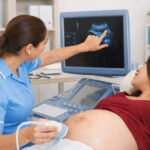
35 week ultrasound
Ultrasound at 35 weeks pregnancy is a very important test. At this time, the baby’s growth, weight, position (head down or breech), heartbeat, and movements are checked. Usually, the baby weighs about 2.4–2.7 kg and is about 46–48 cm long. Ultrasound measures the baby’s head, abdomen, and bones to determine whether the baby is growing properly.
In addition, this scan checks the position of the placenta, the amount of amniotic fluid, and whether the blood flow in the umbilical cord is normal. Sometimes the doctor also monitors the baby’s breathing movements by performing a biophysical profile (BPP). If there is less or more water, or the baby is not in the right position, then precautions can be taken in advance. Therefore, a 35-week ultrasound is very important for the safety of the mother and baby.
Is it normal to be really tired at 35 Weeks Pregnancy?
It is normal to feel extremely tired during the 35 weeks pregnancy. During this time, the baby’s weight increases rapidly, which increases the pressure on the mother’s body. Due to the large belly, sleep is not good, frequent urination, back pain, difficulty breathing, and body heaviness can make you feel more tired. In addition, hormonal changes also increase weakness and drowsiness during this time.
However, adequate rest, nutritious food, drinking enough water, and light walking are beneficial to reduce fatigue. Taking short naps or rest during the day can provide relief. But if you experience excessive dizziness, shortness of breath, palpitations, anemia symptoms, or unusual weakness, it is important to consult a doctor immediately.
Your Pregnant Belly at 35 Weeks
Your belly will look much bigger and heavier at 35 weeks pregnant, as your baby is gaining weight rapidly. The skin on your belly may become taut and stretch marks may become more visible. Many mothers experience a protruding belly button and experience itching or dryness around your belly. Your baby’s movements may be quite strong at this time, but the pattern of movements may change slightly due to the limited space.

This week, the weight of your belly may cause back pain, difficulty walking, and frequent urination. You may have some difficulty breathing because your baby is in a head-up position. However, in some cases, the pressure will ease as your baby’s head begins to descend. Drinking plenty of water, light exercise, and rest can help you relax during this time.
Signs of Labor at 35 Weeks Pregnancy
It is important to be alert if you experience signs of labor at 35 weeks pregnancy. During this time, you may experience pressure or a heavy feeling in the lower abdomen, regular contractions, and pain in the waist or back. In some mothers, white or light pink discharge may increase, which is an indication of the body’s preparation for labor. In addition, it is important to pay attention to the decrease in baby movements or unusual sensations.
More important signs are the release of watery fluid (water breaking), bleeding, or excessive pain. If contractions occur every 10 minutes or less and they gradually increase, you should go to the hospital immediately. There is a risk of premature labor at 35 weeks, so it is safest to consult a doctor without delay if you experience any suspicious symptoms.
Can a baby be born at 35 weeks and be healthy?
Yes, babies born at 35 weeks can be completely healthy in many cases. 35 weeks is called “late preterm,” meaning that the baby is very mature even though he or she has not completed the full 40 weeks. Babies born at this time usually weigh well and can breathe on their own in most cases. However, some babies may have mild shortness of breath, jaundice, or difficulty maintaining body temperature, so monitoring after birth is important.
However, thanks to modern medical care, the survival rate of babies born at 35 weeks is much higher and most babies grow normally. Breastfeeding, regular doctor checkups, and keeping the baby warm are very important. If the baby is not eating enough, has difficulty breathing, or is sleeping too much, you should contact the hospital immediately. With proper care, babies born at 35 weeks can also live healthy lives.
Tips for 35 Weeks Pregnancy
35 weeks pregnancy means that you are now in the very last stage of pregnancy. At this time, the growth of the baby is almost complete and the body is gradually preparing for delivery. At this time, fatigue, shortness of breath, back pain, frequent urination and sleep problems are more common in the mother’s body. Therefore, it is very important to take care of yourself, eat right and be mentally prepared at this stage. A little carelessness or negligence at 35 weeks can cause problems in the future, so it is best to follow healthy habits.
1. Get enough rest and listen to your body
At this time, the body feels very heavy and it is normal to get tired easily. Therefore, it is better to reduce the workload and move slowly. Standing for a long time or walking a lot can increase swelling in the legs and back pain. Lying on the left side while sleeping is most beneficial, as it improves blood circulation and oxygen supply to the baby. If necessary, you can get comfort by elevating your legs slightly with a pillow under your feet.
2. Maintain healthy and nutritious eating habits
At 35 weeks, the baby gains weight rapidly and his brain and lungs become stronger. Therefore, it is important to include protein, calcium, iron and fiber in your diet. Regular consumption of eggs, fish, milk, fruits, vegetables and nuts gives the body strength. At this time, indigestion or gas problems are more common, so it is better to eat small amounts frequently rather than eating too much at once. Excessive oil-spices or junk food should be avoided.
3. Drink enough water and avoid dehydration
In the last stages of pregnancy, the body can quickly become dehydrated, which increases the risk of dizziness, weakness and urinary tract infections. Therefore, it is very important to drink enough water every day. Apart from water, you can drink coconut water, fruit juice or soup. However, it is better to consume less caffeinated drinks such as tea and coffee. Adequate water keeps the body fresh and helps reduce constipation.
4. Do light exercise and walking (with doctor’s permission)
Light walking or simple exercise at 35 weeks helps prepare the body for delivery. Regular walking improves blood circulation, reduces swelling in the legs, and improves mood. However, it is not advisable to exercise too much. If you experience pain, dizziness, or shortness of breath, rest immediately. Yoga or pregnancy stretching often helps reduce back pain.
5. Prepare a delivery bag and essentials
Labor pain can start at any time during this period, so it is safest to prepare a hospital bag in advance. The bag should contain baby’s clothes, diapers, mother’s necessary clothes, medical reports, ID cards, and necessary medicines. This will not cause any problems if you suddenly go to the hospital. It is also a good idea to arrange a car or communication system to go to the hospital in advance.
6. Regularly monitor the baby’s movements
The baby’s movements can be clearly seen at 35 weeks. It is important to observe the baby’s kicks or movements every day, as this is an important signal of the baby’s well-being. If the baby’s movements suddenly decrease or do not occur at all, you should contact the doctor immediately. Sometimes the baby’s movements may be less due to sleep, but if in doubt, it is better to get a checkup without waiting.
7. Be aware of labor signs
It is very important to know the signs of labor starting at this stage. For example, regular abdominal tightening, severe pain, water breaking, bleeding or excessive discharge. If these symptoms appear, you should go to the hospital immediately. Sometimes false labor pains (Braxton Hicks) can occur, but if the pain is regular and increases over time, then it may be real labor.
8. Be mentally prepared and reduce stress
It is completely normal to be afraid or worried about delivery. However, excessive stress can be harmful to the mother and baby. At this time, it is good to think positively, talk to loved ones and seek counseling if necessary. Listening to light music, reading books or meditating helps to calm the mind. Remember, being mentally strong will also increase your confidence during delivery.
Conclusion
A 35 weeks pregnancy is a crucial stage for both mother and baby. The baby’s liver, lungs and brain are developing rapidly. The mother’s body is gradually preparing for delivery, which can lead to some discomforts such as back pain, shortness of breath, and frequent urination.
Adequate rest, light exercise, nutritious food, and regular medical advice are very important during this time. In addition, preparation for delivery and mental preparation are helpful for the mother’s health. Proper care increases the chances of healthy growth of the baby and safe delivery.