
Postpartum recovery is a crucial phase in a mother’s life where both physical and emotional healing take place after childbirth. During this period, the body gradually returns to its pre-pregnancy state while adjusting to hormonal changes, fatigue, and new responsibilities of caring for a newborn baby. Proper guidance is essential to ensure safe recovery, reduce complications, and support mental well-being. A well-structured postpartum recovery guide helps mothers understand rest, nutrition, hygiene, breastfeeding, and light physical activity. It also provides awareness about common changes like bleeding, body pain, mood swings, and sleep issues so that mothers do not feel overwhelmed easily.
Along with physical care, emotional support plays a key role in postpartum recovery. Mothers often experience anxiety, mood swings, or even postpartum depression, which should be addressed with care and understanding. Family support, proper sleep routine, balanced diet, and regular health check-ups help in faster healing. This guide also highlights safe exercise, breastfeeding techniques, and hygiene practices to ensure overall well-being. By following these essential steps, mothers can regain strength, improve confidence, and return to daily life smoothly. A complete postpartum recovery guide ensures that both mother and baby stay healthy, happy, and well cared for during this important stage.
The main idea of the Postpartum Recovery Guide
The main purpose of the Postpartum Recovery Guide is to provide the right guidance to return the mother’s body and mind to normal health after childbirth. During this time, hormonal changes, bleeding, weakness, sleep problems and mental stress may occur in the body. Therefore, adequate rest, nutritious food, drinking water and gradual light exercise are very important during the postpartum period. In addition, it is necessary to know about breastfeeding, proper care and ways to reduce body pain.
A good guide teaches the mother how to safely return to daily activities and when it is important to consult a doctor. In case of postpartum depression or mood swings, family and doctor should be supported. In addition, sewing care, a healthy routine and taking care of yourself are the most important things during the postpartum period. Therefore, the Postpartum Recovery Guide helps mothers recover quickly and regain confidence, and makes postpartum life easier.
Physical and emotional changes of the postpartum period
Postpartum period is the period after giving birth, which usually lasts from the first 6 weeks to a few months. During this period, a mother’s body and mind undergo major changes. Because after pregnancy and delivery, the body starts to return to its previous state, as well as hormonal fluctuations, lack of sleep, the pressure of caring for the child, and new responsibilities affect the mother mentally. Therefore, the postpartum period is seen as a time of not only physical but also mental and emotional changes.
Physical Changes
1. Vaginal Bleeding (Lochia)
It is completely normal to bleed for a few days after delivery. This is called Lochia. The amount of blood may be heavy for the first few days and the color is dark red. Later, the color gradually lightens and stops within a few weeks. This is a normal process of cleansing the uterus.
2. Uterus Shrinking
The uterus becomes much larger during pregnancy. After giving birth, the uterus starts to return to its previous size. Many mothers may experience cramps or pain in their stomach during this time, especially while breastfeeding. This is because breastfeeding helps the uterus contract.
3. Breast Changes and Milk Production
After delivery, milk begins to be produced in the breasts. First comes a thick milk called colostrum, which is very beneficial for the baby. Then the milk increases and the breasts may become heavy or swollen. Sometimes, breast pain, engorgement, or nipple rupture may also occur.
4. Fatigue and Weakness
It is normal to feel very weak during the postpartum period. The mother gets tired easily due to the stress of delivery, bleeding, lack of sleep, and taking care of the baby. Adequate rest and nutritious food are very important during this time to restore the body’s strength.
5. Perineal Pain or C-section Recovery
In normal delivery, there is often pain, swelling, or discomfort due to stitches in the lower part. In case of a C-section, there may be pain in the area of the stitches in the abdomen and difficulty in moving. This pain can last from a few days to a few weeks, but gradually decreases.
6. Hair Fall and Skin Changes
Many mothers start to lose their hair after delivery. This is because the hair becomes thicker due to hormonal changes during pregnancy, and when hormones decrease during the postpartum period, excess hair falls out. Dryness, acne, or stretch marks may also appear on the skin.
7. Sweating and Hormonal Shifts
Excessive sweating is a very common problem during postpartum. Sweating is especially common at night. This is mainly due to excess water and hormonal changes in the body. There is nothing to be afraid of, but care should be taken to avoid dehydration.
Emotional Changes
1. Baby Blues
Many mothers suddenly feel crying, upset, restless, or overly emotional in the first 1-2 weeks after delivery. This is called Baby Blues. This is mainly due to hormonal changes, lack of sleep, and new responsibilities. It usually resolves on its own within a few days.
2. Mood Swings and Irritability
A mother’s mood can change very quickly during the postpartum period. Sometimes she may feel very happy, and sometimes she may feel angry or annoyed over small things. This is normal because hormonal fluctuations and lack of sleep affect mental balance during this time.
3. Anxiety and Overthinking
Many mothers worry a lot during the postpartum period. There can be excessive worry about whether the baby is breastfeeding properly, whether he is sleeping properly, whether the baby is having any problems. Sometimes this can take the form of postpartum anxiety, which increases mental stress.
4. Feeling Overwhelmed
Being a new mother means having many responsibilities at once. The baby’s crying, sleep problems, the weakness of her own body, and the expectations of her family—all of which make the mother feel helpless or overwhelmed. Family support is the most important thing for the mother at this time.
5. Postpartum Depression (PPD)
In some mothers, the baby blues do not go away after a normal period of time and gradually develop into postpartum depression. This can include prolonged sadness, loss of interest, lack of interest in the baby, feeling worthless, or excessive crying. This is a medical condition and it is important to seek medical help if necessary.
6. Emotional Bonding Issues
Not all mothers develop a deep bond with their baby right away. Many times, the mother feels that she is not able to love the baby or that the connection is not being formed. This is very normal and bonding is gradually formed over time by taking care of the baby.
7. Self-Confidence Issues
Many mothers lose confidence in themselves during the postpartum period when they see changes in their body, weight gain, or a tired face. They feel that they are not as beautiful or fit as before. These thoughts can create mental stress. However, the body gradually recovers with time, and it is very important to be patient with yourself.
In short, the postpartum period is a time when a mother’s body slowly recovers and her mind adjusts to the new reality. Along with physical care, emotional support and rest are most needed during this time.
Postpartum Recovery Foods and Proper Eating Habits
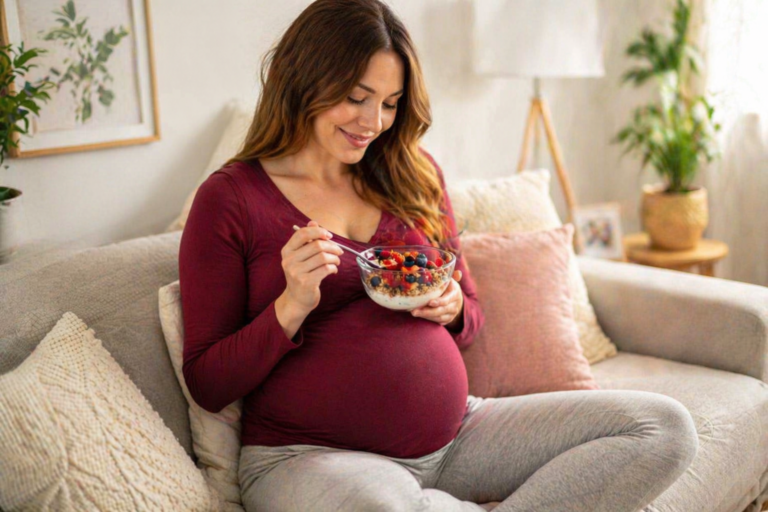
Postpartum Recovery Foods and Proper Eating Habits Eating the right foods is very important for the mother’s body to recover quickly after delivery. Protein-rich foods such as eggs, fish, chicken, pulses and milk replenish the body’s losses during postpartum. In addition, iron and calcium-rich foods such as spinach, red vegetables, dates, nuts and yogurt help reduce anemia. Drinking plenty of water, coconut water and light soups keeps the body hydrated and also helps in milk production.

Maintaining proper eating habits during postpartum is equally important. It is good to eat 2 light snacks in addition to 3 meals a day. Excessive oil-spices, junk food and excess sweets should be avoided. Constipation is reduced by eating fiber-rich foods such as fruits, vegetables and oats for postpartum mothers. Adequate sleep and regular nutritious food reduces postpartum weakness and restores energy quickly, so it is best to plan a postpartum diet.
When is the first period after pregnancy?
When the first period will occur after pregnancy depends on each mother’s body. Usually, many women can start their period within 6 to 8 weeks of delivery. However, in the case of those who breastfeed, the first period may come later due to hormonal changes, sometimes after 3 to 6 months or more. On the other hand, those who do not breastfeed, their first period returns relatively quickly.
The first few periods after delivery may be somewhat irregular and it is normal for bleeding to be more or less. In many cases, pain or clots are also seen during the first period. However, if there is excessive bleeding, severe abdominal pain or foul-smelling discharge, it is important to consult a doctor immediately. Usually, the first period becomes regular again over time and the body returns to normal.
Signs of Coming Period After Giving Birth
Many mothers wonder after giving birth – when will their periods start again? In fact, the body takes time to gradually return to normal after delivery. Due to hormonal changes, breastfeeding, lack of sleep and physical weakness, some people’s periods come within 6 weeks, while others may take a few months. However, before the period starts, the body starts giving some signs, which if understood, can be prepared in advance.
1. Lower abdominal pain or cramps
Many mothers feel mild or moderate pain in the lower abdomen before their period. This is usually due to uterine contractions. After delivery, the uterus starts to return to its previous state, as a result of which the familiar menstrual pain may appear before the period. Sometimes this pain can spread to the waist.
2. Increased white or light yellow discharge
Many people may have increased white discharge from the vagina before their period. This is normal due to hormonal changes in the body after childbirth. However, a few days before the period, the discharge may be a little thicker and the amount may also increase slightly. If there is a bad smell or itching, it is important to consult a doctor.
3. Mood swings or mental changes
Due to hormonal fluctuations before the period, many mothers become irritable, angry or upset at the slightest thing. There is already mental stress after childbirth, but this feeling may increase before the period. In some cases, crying or restlessness may occur for no reason.
4. Feeling of pain or tightness in the breasts
Many mothers feel a feeling of heaviness, pain or tightness in the breasts before the period. Breastfeeding also causes changes in the breasts, but this pain may be a little more before the period. Touching the breasts may cause pain or discomfort.
5. Back pain or feeling of heaviness
Back pain is a very common symptom before the period. Back pain is often felt more often because the body is weak after childbirth. Especially if you stand or work for a long time, the body feels heavy, tired and the body feels weak.
6. Increased headaches and fatigue
Many times, headaches start before the period comes or the body feels extra weak. Fatigue increases due to lack of sleep after childbirth, taking care of the baby and vitamin deficiencies in the body. However, if you suddenly feel weak and have a headache, then this may be a sign before the period comes.
7. Acne or changes in the skin
Due to hormonal changes, acne may appear on the face before the period comes or the skin may become oily. Many mothers notice that even though the skin is somewhat better after childbirth, acne starts again before the period. This can also be seen as a sign that the body’s hormones are normalizing.
8. Strange attraction to food or increased appetite
Many mothers have an increased interest in food before their period. Some people crave sweets, while others crave spicy or sour foods. This may be part of PMS (Premenstrual Syndrome). After giving birth, the body wants to regain its strength, so increased appetite is also a common symptom.
9. Light spotting or blood spots
Some mothers may experience light spotting 1-2 days before their period starts. This is usually very small and is considered a pre-menstrual signal. However, if there is excessive bleeding or the pain is severe, you should consult a doctor immediately.
10. Feeling pressure in the lower abdomen
Many mothers feel pressure or heaviness in the lower abdomen before their period. It feels like the stomach is swollen or there is discomfort inside. This is a sign of the uterus preparing. This feeling may be a little more during the first period after giving birth.
Important point
The first period after giving birth can often be more painful, bleed more, or be irregular than before. This is normal in most cases. However, if—
- There is excessive bleeding
- Large blood clots
- Severe pain
- Foul-smelling discharge
- Fever
Then you should definitely consult a doctor.
Postpartum Recovery Foods List and Table
After delivery, a mother’s body needs proper nutrition to heal faster, regain strength, and support breastfeeding. Eating healthy postpartum foods can help reduce weakness, improve milk supply, boost immunity, and prevent constipation. A balanced diet should include protein, iron, calcium, fiber, and plenty of fluids.
| Food Category | Best Foods for Recovery | Benefits for New Mom |
| Protein Foods | Eggs, chicken, fish, lentils | Helps tissue repair and energy |
| Iron-Rich Foods | Spinach, red meat, beans | Prevents anemia and weakness |
| Calcium Foods | Milk, yogurt, cheese | Strengthens bones and teeth |
| Healthy Fats | Nuts, seeds, olive oil | Supports hormones and brain health |
| Fiber Foods | Oats, fruits, vegetables | Prevents constipation |
| Hydration Drinks | Water, coconut water, soups | Prevents dehydration and supports milk supply |
| Vitamin C Foods | Orange, lemon, guava | Boosts immunity and healing |
| Warm Foods | Khichuri, soups, porridge | Improves digestion and comfort |
| Breastfeeding Boost Foods | Fenugreek, garlic, dates | Helps increase breast milk |
| Energy Snacks | Bananas, peanut butter, dry fruits | Reduces fatigue and improves stamina |
Post Pregnancy Care Tips
The postpartum period is very important for a mother. During this time, the body gradually starts to return to its previous state, but at the same time, hormonal changes, lack of sleep, physical weakness and mental stress increase a lot. Therefore, taking proper care during this time is very important not only for the mother’s quick recovery, but also for taking proper care of the baby. If post pregnancy care is done properly, the mother remains physically strong, mentally well and is also protected from many health risks in later life.
1. Ensure adequate rest and sleep
After delivery, the body becomes very weak and it is very normal to have bleeding, pain or fatigue. Therefore, getting adequate rest during this time is most important. The mother should try to sleep as much as possible, because sleep helps the body recover quickly. The mother should also try to rest while the newborn baby is sleeping. Lack of sleep can increase weakness, dizziness and mental stress in the mother’s body.
2. Drink nutritious food and enough water
Nutritious food is very necessary to restore strength in the mother’s body after delivery. Food should contain protein, iron, calcium, vitamins and fiber. For example, pulses, eggs, fish, milk, vegetables, fruits and nuts. In addition, it is important to drink enough water a day to produce breast milk and keep the body hydrated. Drinking less water weakens the body and can reduce the amount of breast milk.
3. Keep the wound clean after delivery
In both cases, normal delivery or cesarean, it is important to keep the wound clean. Infection can cause fever, pain, pus or excessive bleeding. Therefore, the rules given by the doctor must be followed. Maintaining cleanliness allows for a quick recovery and reduces the risk of complications.
4. Follow the correct rules of breastfeeding
Breast milk is the most important food for newborns. It increases the baby’s immunity and helps the baby grow quickly and healthily. However, it is important to breastfeed in the right position, otherwise the mother may have chest pain, nipple cracks or problems with milk accumulation. Regular breastfeeding also helps the mother’s body recover quickly and helps the uterus return to its previous state.
5. Practice light exercise and walking
After resting for a few days after delivery, light walking or easy exercise should be started (as per the doctor’s permission). This normalizes blood circulation, keeps weight under control, and the body regains strength quickly. However, excessive heavy work or hard exercise should not be started. The habit should be developed gradually according to the body’s ability.
6. Be aware of mental health and postpartum depression
It is very normal for many mothers to feel sad, cry, feel afraid, or worry excessively after delivery. But if depression, sleep problems, reluctance to eat, or interest in the baby decreases for a long time, then it may be Postpartum Depression. At this time, the family should be by the mother’s side and, if necessary, consult a doctor. Mental peace is very important for the mother’s well-being.
7. Get regular doctor’s checkups and necessary vaccinations
Regular checkups of the mother and baby are very important after delivery. This can quickly detect whether there are any complications in the body. Especially if problems such as blood pressure, anemia, infection, or excessive bleeding occur, it is important to seek treatment quickly. If the child is vaccinated on time, the child’s health is protected.
8. Get help from the family and reduce pressure on yourself
If the mother goes to do all the work alone after delivery, the body will quickly weaken. Therefore, it is important to get help from the family at this time. If you get help with cooking, housework or other tasks for the child, the mother will be able to rest. This will keep the mother’s health good and the child’s care will also be better.
Postpartum mental health and emotional balance
Postpartum mental health and emotional balance After childbirth, a mother’s body and mental state also undergo major changes. Hormonal fluctuations, lack of sleep, the pressure of caring for a child, and new responsibilities can often cause anxiety, sadness, or excessive fatigue. Although it is normal for a mother to experience mood swings, crying, anger, or loneliness during postpartum, it is important to pay attention to them if they last long. Family sympathy, rest, and healthy food help maintain mental balance.
To ensure postpartum mental health, a mother should take time for herself, drink water regularly, exercise lightly, and try to get enough sleep. Sharing her feelings with her husband or loved ones can reduce stress. If symptoms such as postpartum depression or excessive fear, frustration, or loss of interest in the child appear, it is necessary to consult a doctor immediately. Remember, postpartum mental care is important for both the mother and the child. The right support during postpartum can help the mother return to a normal life.
Postpartum Exercise and Light Physical Activity
Before starting Postpartum Exercise, it is very important to understand the condition of the mother’s body. In the first few weeks after delivery, light walking, breathing exercises, and pelvic floor exercises (Kegel) help the body recover quickly. Regular Postpartum Exercise improves blood circulation, reduces fatigue, and improves sleep quality. However, if you have had a cesarean delivery or if you have excessive bleeding, you should definitely start exercising after consulting a doctor.

Gradually, stretching, light yoga, and simple exercises for the waist and hips can be added. It is better to start with 10-15 minutes of exercise every day and increase the time. Regular Postpartum Exercise keeps the mood good and helps reduce depression. It is also effective in weight control. Avoid excessive heavy work or running and drink more water. Doing Postpartum Exercise safely can help the mother stay healthy and strong. Regular Postpartum Exercise also increases the mother’s confidence.
Postpartum Sleep Routine and Rest
After childbirth, a mother’s body needs proper sleep and rest to recover physically and mentally. A balanced sleep routine helps improve energy, mood, and overall healing. Below is a simple guide to understand postpartum sleep routine and rest habits.
| Time of Day | Sleep / Rest Routine | Benefits |
| Morning | Short nap when baby sleeps | Restores energy and reduces fatigue |
| Afternoon | Light rest or lying down quietly | Helps body recovery and reduces stress |
| Night | Longer sleep with baby feeding breaks | Supports deep recovery and hormonal balance |
A consistent rest routine, even in short intervals, is very important during the postpartum period.
Hygiene Care During Postpartum Period
The postpartum period is a very sensitive time for a mother. It is important to follow proper hygiene during this postpartum period, because the body is slowly recovering. Maintaining cleanliness, changing pads regularly, and washing hands helps prevent infection. During this postpartum period, taking a light bath and wearing clean clothes relaxes the body and brings mental peace.
Getting adequate rest and staying in a clean environment is very important during this postpartum period. Maintaining sanitary hygiene every day reduces the risk of infection. Eating nutritious food and drinking enough water helps the body recover quickly. Apart from this, getting regular health check-ups and following the doctor’s advice during this postpartum period are very important for the mother’s well-being.
Post-pregnancy physical changes and recovery
Postpartum physical changes and recovery occur gradually. Hormonal changes, fatigue and pain in the mother’s body are normal during the postpartum period. Adequate rest and nutritious food are essential during this postpartum period. Sometimes mental changes are also seen during the postpartum period. With proper care, the body gradually returns to its previous state. Patience and family support play an important role in this postpartum period.
The body recovers gradually after delivery. Light exercise, walking and drinking enough water are beneficial during the postpartum period. It is very important for the mother to maintain sleep and mental peace during this time. With proper care, the body’s strength returns and milk production is also normal. Family support helps in recovering quickly during the postpartum period. Excessive stress should be avoided and nutritious food should be consumed. It is safe to gradually return to daily activities. With proper care, the entire postpartum period becomes easier and the mother should stay healthy for a long time. It is always necessary to be aware with the support of the family.
Conclusion
Postpartum recovery is not only about physical healing but also about emotional balance and mental well-being. Every mother experiences different changes after childbirth, so patience and proper care are very important. Following a healthy diet, maintaining hygiene, getting enough rest, and doing light exercise can significantly improve recovery speed. Emotional support from family and loved ones helps reduce stress and prevents postpartum depression. Understanding these changes allows mothers to feel more confident and less overwhelmed. With proper care and awareness, the postpartum journey becomes smoother, helping mothers regain strength, adapt to their new life responsibilities with ease naturally improve faster.
Overall, a well-structured postpartum recovery guide is essential for every new mother to ensure safe and healthy healing. It provides clear instructions about diet, exercise, sleep, hygiene, and emotional care. By following proper guidance, mothers can avoid complications and regain energy more quickly. Family involvement and medical support play a vital role in this journey. Every small step of care contributes to long-term health and confidence. Postpartum recovery is a gradual process, and consistency is key. With love, support, and patience, mothers can successfully transition into their new role while maintaining both physical strength and mental peace and stability always.