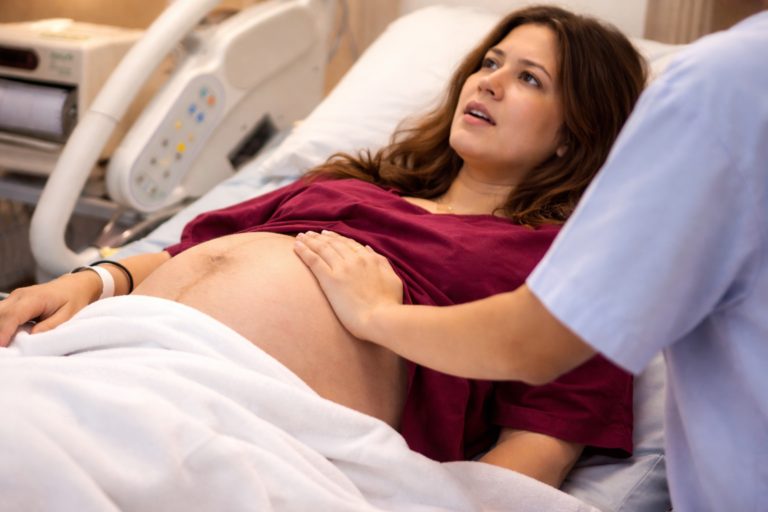
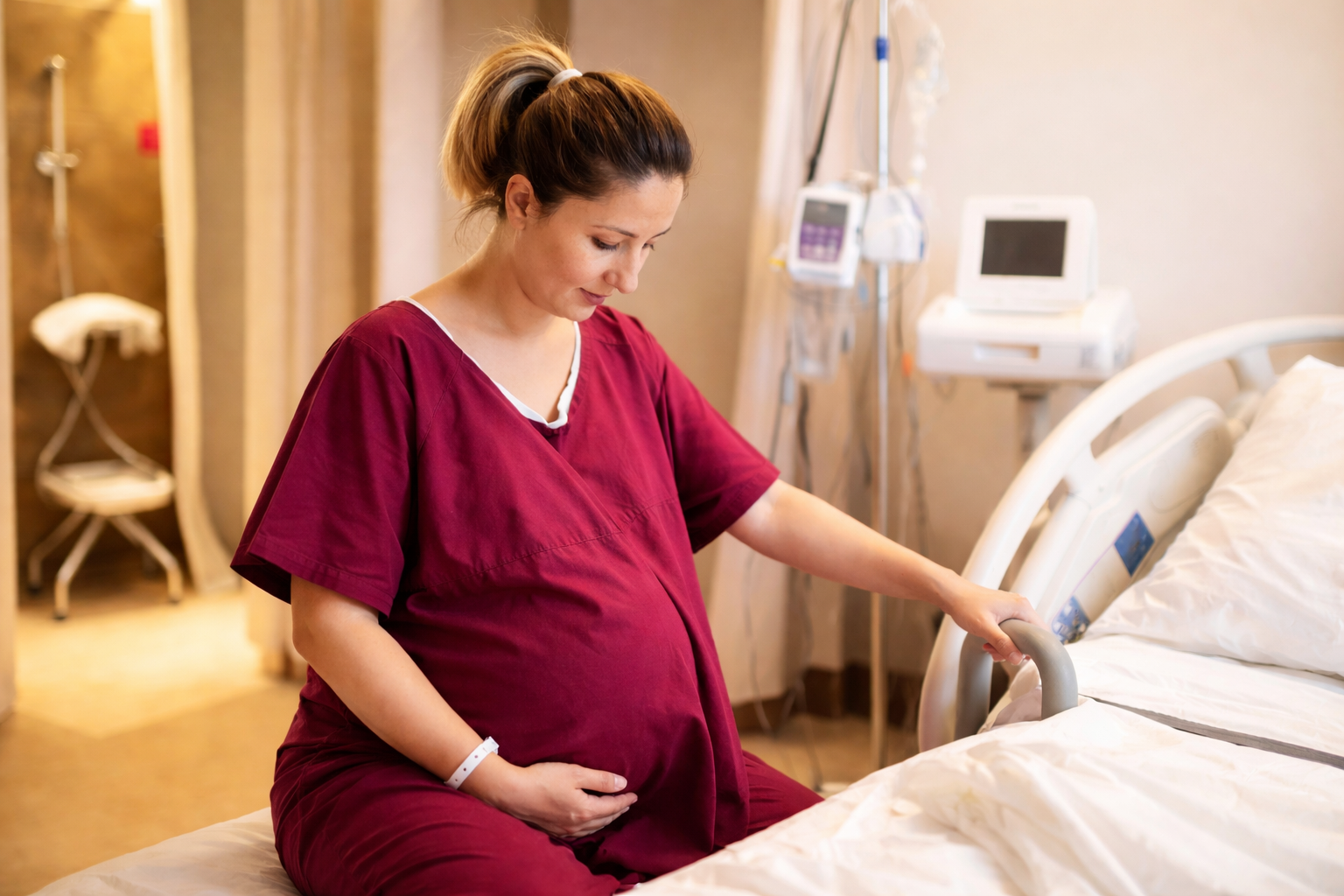

At 39 weeks pregnancy, the body and baby are fully prepared for childbirth. The baby is now fully developed, gaining final weight and fat layers, and can survive outside the womb. Mothers may feel pressure, mild contractions, and emotional changes as the body prepares for labor any time now.
It is important to stay calm, eat nutritious food, and drink plenty of water during this final stage. Regular checkups help ensure a safe delivery. Understanding labor signs such as contractions, water breaking, and pelvic pressure allows timely hospital visits for mother and baby safety stay alert and well prepared.
Baby at 39 Weeks Pregnancy
At 39 weeks pregnant, the baby is now fully developed and ready to be born. At this time, the baby usually weighs between 2.8 and 3.6 kg and can be about 48–53 cm long. The baby’s lungs, brain and other vital organs are fully developed, so it can breathe easily after birth. The layer of fat under the skin increases, which helps it maintain its body temperature. The baby can now move less due to the less space inside the womb, but light movements can still be felt.
At this time, the mother’s body begins to prepare for childbirth. Mild abdominal pain, pressure in the lower back, and occasional contractions may be felt. The cervix begins to gradually dilate, which is an important step in labor. It is very important for the mother to get enough rest, eat nutritious food and drink enough water. If any unusual symptoms occur, a doctor should be consulted immediately, so as to ensure a safe and healthy delivery.
39 Weeks Pregnancy Symptoms
By the 39 weeks pregnancy, a mother’s body is almost completely ready for childbirth. During this period, the baby’s growth is almost at its final stage and labor can begin at any time. Therefore, some special changes and symptoms are seen in the mother’s body, which are normal but can be a little uncomfortable. During this week, both the mother’s body and mind are preparing for childbirth.
Baby Dropping
At this time, many mothers’ bellies drop lower than before. This is because the baby is positioned towards the pelvis for childbirth. This may make breathing a little easier, but the pressure of urination may increase and you may have to go to the toilet frequently.
Regular Braxton Hicks Contractions
False pain or Braxton Hicks contractions may be felt more at 39 weeks. It is normal for the stomach to tighten and sometimes hurt. However, if they are regular and more intense, then this may be a sign of real labor.
Back and waist pain
Due to the increased pressure of the baby during this time, waist and back pain may be felt. Sitting or standing for long periods of time can make the discomfort worse.
Cervical changes and body preparation
At 39 weeks, the cervix gradually begins to soften and open, making labor easier. Along with this, the body prepares itself for delivery through hormonal changes.
Fatigue and sleep problems
Many mothers experience decreased sleep and increased fatigue during this time. It is very common to have poor sleep due to mental stress and physical discomfort.
How big is a baby at 39 Weeks Pregnancy?
At 39 weeks pregnant, the baby’s growth is almost complete. At this time, the average baby weighs about 3 to 3.5 kg and is about 48 to 52 cm long. The baby is now fully developed and is completely ready for birth. There is enough fat under its skin, which helps maintain body temperature after birth. The baby can breathe easily as the lungs are fully developed. The head size is slightly larger than the body, but this is normal.
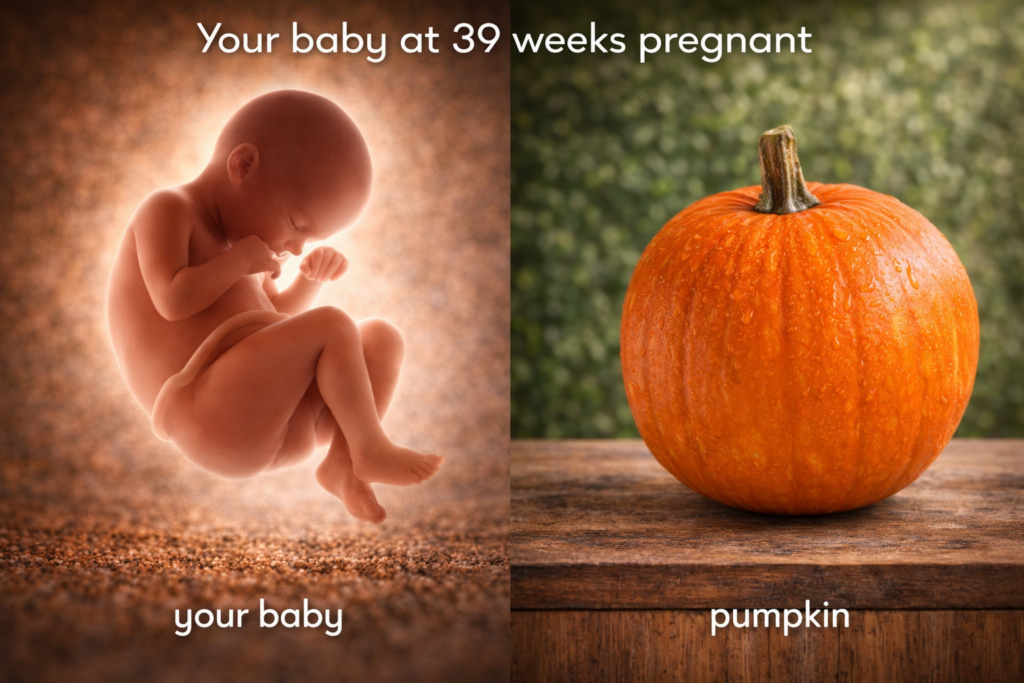
At this stage, the baby’s movements may seem a little less because there is less space in the womb. However, this is normal. The mother should consult a doctor regularly during this time and eat nutritious food. Labor can begin at any time during the 39th week, so it is very important to be prepared. It is good to have a hospital bag ready and be mentally prepared. Family support is very important at this time. Stay calm.
39 Weeks Pregnancy is how many months?
39 weeks pregnancy usually refers to the last stage of about 9 months. In many cases, it is called “full-term pregnancy” because at this time the baby is completely ready to be born. Generally, pregnancy is considered to be 40 weeks, so 39 weeks means you are in the very last month and delivery can happen at any time. At this time, the baby’s weight and physical structure are fully developed and he is ready to live in the outside environment.
At this stage, various changes are seen in the mother’s body, such as feeling pressure in the lower abdomen, frequent urination and the onset of mild pain or contractions. Doctors usually advise to be careful during this time and advise to go to the hospital if you see any symptoms. Therefore, 39 weeks is called the very last and important stage of pregnancy, which is basically close to the completion of 9 months.
Pregnancy Time Calculator
39 week ultrasound
A 39 week ultrasound of pregnancy is usually done to understand the final position and health status of the baby. At this time, the baby is fully developed and ready for birth. Through ultrasound, the doctor checks the baby’s weight, heart rate, movement, and the position of the placenta. It also checks whether the amount of amniotic fluid is right, which is very important for the safe development of the baby. At this stage, it is often confirmed whether the baby is head down.
An ultrasound at 39 weeks gives an idea of the likely time of delivery. If any problems are found, such as low water, abnormal position of the baby, or problems with blood flow in the umbilical cord, the doctor can make a quick decision. This is usually a safe and important test that helps ensure the final well-being of the mother and baby. It is very important to consult a doctor regularly during this period.
What should I be feeling at 39 Weeks Pregnancy?
During the 39 weeks pregnancy, a mother’s body and mind undergo various changes. During this time, the baby is fully developed and ready to be born. Many mothers may experience lower abdominal pressure, back pain, discomfort while walking, and frequent urination. Braxton Hicks contractions may also increase, which prepares the body for labor. It is also normal to feel mentally excited, anxious, and a little anxious.

During this time, many women may have trouble sleeping and it is normal to feel heavy. Swelling of the legs, back pain, and fatigue may occur. The baby’s movements may be less or felt differently because there is less space. However, regular movement is important. Drinking enough water, resting, and light walking are beneficial during this time. If you have any signs of labor, such as regular pain or your water breaking, you should seek medical advice immediately. It is very important to maintain mental peace at this time and be aware at all times.
Signs of Labor at 39 Weeks Pregnancy
The signs of labor usually become very clear at 39 weeks pregnancy. At this time, many mothers begin to feel regular pain or contractions in the abdomen, which may gradually become more frequent and intense. They may also feel pressure below the waist, heaviness in the pelvic area, and frequent urination. Sometimes, water breaking or light blood-tinged discharge is also seen, which is an important sign of the onset of labor.
Other changes in the body are also seen at this time, such as increased fatigue, sleep problems, and changes in the baby’s movement pattern. In some mothers, strong contractions may start suddenly, while in others, the symptoms gradually increase. If any unusual symptoms occur during this time, it is very important to contact a doctor or hospital immediately, so that the delivery can be completed safely.
Can you be in labor without contractions or water breaking?
Many people in the last stages of pregnancy think that when labor begins, there will definitely be strong pain or contractions and the water will break. But in reality, this is not the case in all cases. In some women, labor may begin with very mild or irregular pain, which is often not noticeable. In some cases, the cervix begins to gradually open before the water breaks and the body begins to prepare for labor.
In some situations, the doctor’s observation shows that labor can progress without regular strong contractions. Especially in induced labor or in some medical conditions, the labor process can continue even if the water does not break. So, even if there is no water breaking or severe pain, other body symptoms such as feeling pressure, back pain, or the baby moving downwards can also be an indication of labor.
Inducing Labor at 39 Weeks Pregnancy
Many mothers at 39 weeks pregnancy are waiting for the onset of natural labor. In some cases, doctors may recommend “inducing labor” or artificially starting labor at this time if there is a risk to the mother or baby. Such as water breaking, decreased baby movement, or health problems in the mother. This is usually done in a safe environment in a hospital and the entire process is under the supervision of a doctor. In this, labor pain and the birth process begin gradually.
Before inducing labor, the doctor checks the condition of the mother’s cervix and uses medication or other methods if necessary. This process can take some time and each mother’s experience is different. Therefore, it is always important to seek medical advice before making any decisions on your own. When done at the right time and correctly, it can be safe for the mother and baby.
39 Weeks Pregnancy Checklist
Final Week Preparation
Tips for 39 Weeks Pregnancy
At 39 weeks pregnancy, you are almost at the final stage of your journey. The baby is now fully developed and ready for birth at any time. During this period, both the mother and baby go through important last-stage changes. The mother may feel more pressure, discomfort, and frequent contractions, while the baby continues to move down into the pelvis in preparation for delivery. This is a very sensitive and important time, so proper care, rest, and awareness are essential.
1. Rest and Sleep is Very Important
At 39 weeks, the body needs more rest than before. Many mothers feel tired easily because the baby is now heavier and puts more pressure on the body. Try to sleep on your side, especially the left side, as it improves blood flow to the baby. Even if you cannot sleep for long hours at night, short naps during the day can help reduce fatigue and keep your body relaxed.
2. Be Aware of Labor Signs
This is the time when labor can start anytime, so understanding the signs is very important. You may feel regular contractions, lower back pain, or pressure in the pelvic area. Some mothers also notice water breaking or mucus discharge. If contractions become regular and closer together, it may mean labor is starting, and you should contact your doctor or go to the hospital.
3. Eat Light and Healthy Food
During the last week of pregnancy, it is better to eat simple and light meals. Avoid very spicy or heavy foods that may cause discomfort or acidity. Focus on fruits, vegetables, fluids, and foods that give energy without making you feel too full. Staying hydrated is also very important because it helps your body stay active and supports labor preparation.
4. Gentle Movement and Walking
Light walking can be helpful at this stage. It keeps your body active and may also help the baby move into the correct position for birth. However, avoid heavy work, long standing, or tiring activities. Always listen to your body and stop if you feel discomfort or pain.
5. Stay Emotionally Calm
It is normal to feel nervous or excited at 39 weeks. Emotional changes are common because delivery time is near. Try to stay calm by doing relaxing activities like deep breathing, listening to soft music, or talking to supportive family members. A peaceful mind can help your body stay relaxed and prepared for labor.
6. Keep Hospital Bag Ready
At this stage, it is very important to keep your hospital bag prepared. Include essentials like comfortable clothes, baby clothes, important documents, and basic toiletries. Having everything ready will reduce stress if labor starts suddenly.
Conclusion
At 39 weeks, pregnancy is considered full term and the baby can arrive at any time. Mothers should monitor their body closely for signs of labor and stay in touch with healthcare providers. Physical changes may feel intense, but they are normal as the body prepares for delivery process.
It is essential to remain prepared by keeping hospital items ready, maintaining a calm mindset, and seeking medical help when needed. Every pregnancy is different, so listening to your body and following doctor advice ensures a safe and healthy delivery experience for both mother and newborn baby on time care.