
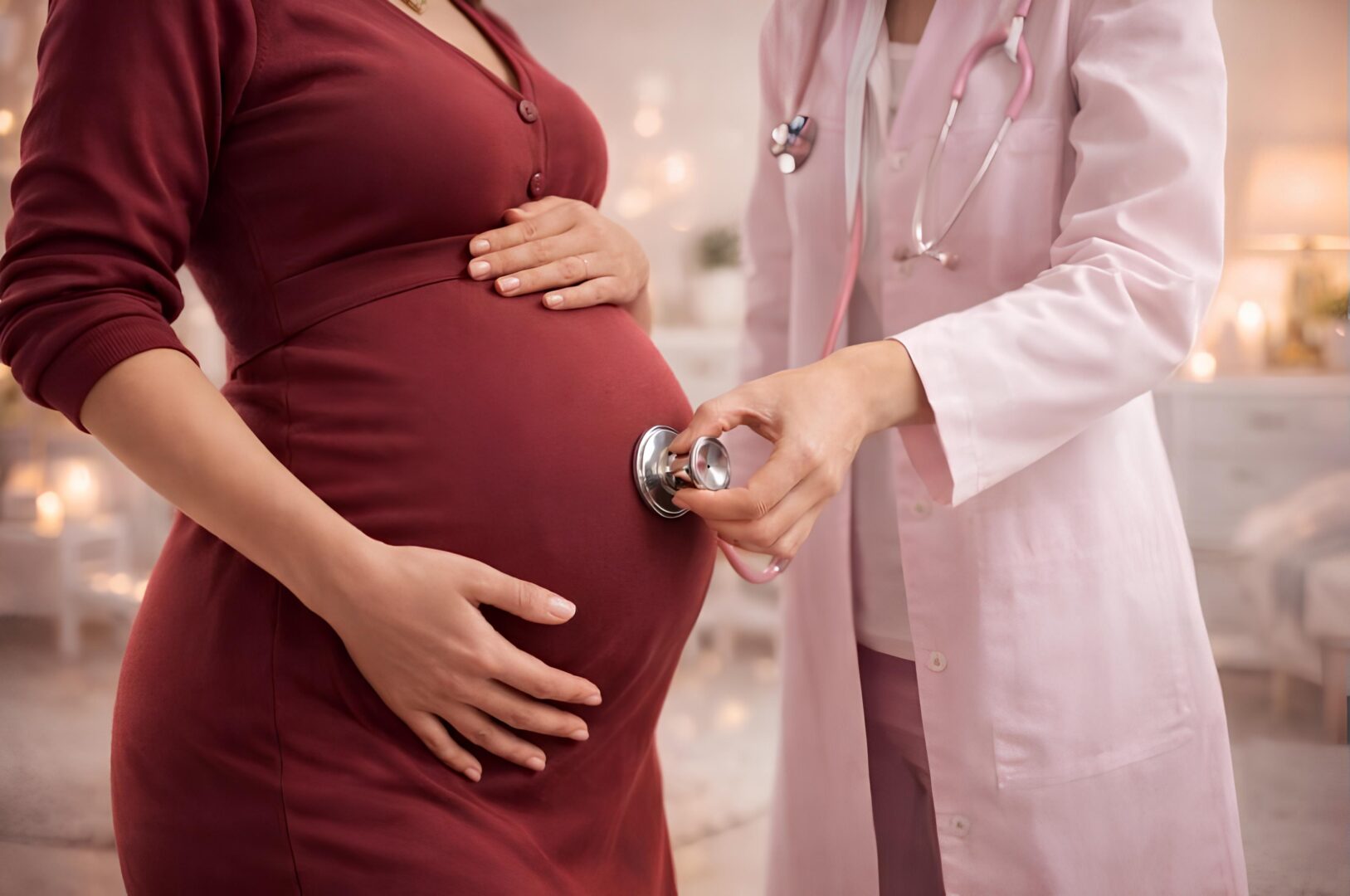

8 weeks of pregnancy is a crucial time for the mother’s life and the baby’s development. During this time, the baby’s brain, heart, limbs, and internal organs are developing rapidly. Hormonal changes in the mother’s body can also cause various symptoms such as nausea, fatigue, breast tenderness, and frequent urination. Proper nutrition, adequate rest, and regular doctor’s advice help make this period comfortable and safe. Ultrasound checks the baby’s heartbeat and growth, which is an emotional moment for the mother.
Baby at 8 Weeks
During the 8 weeks pregnancy, the baby’s growth continues rapidly. At this time, the fetus is about the size of a raspberry and can be about 1.5–2 cm long. The baby’s heart is beating regularly and can be heard or seen on ultrasound. The brain, spinal cord, and nervous system are becoming more well-formed. Small limbs are beginning to become apparent and finger structures are forming.
At this stage, the baby’s facial features, such as the eyes, ears, and nose, are becoming clear. Although the eyelids are not yet fully open, the position of the eyes is still correct. Internal organs, such as the liver and kidneys, are also preparing to start working. At 8 weeks pregnancy, the baby’s basic structure is formed, which will become stronger and more complete in the following weeks.
8 Week Pregnancy Symptoms
During the 8 week pregnancy, both visible and invisible changes occur rapidly in the mother’s body. During this period, important organs of the fetus such as the heart, brain and nervous system develop rapidly.

Due to the increase in hormone levels, various symptoms may appear in the mother’s body, which are often uncomfortable but normal. With proper care, rest and nutritious food, this period can be passed relatively comfortably. Below are some common symptoms during an 8 week pregnancy in detail.
Morning sickness (nausea and vomiting)
Morning sickness can be severe in many people at 8 weeks. Nausea can be felt at any time of the day, although it is called “morning”. This problem is caused by the increase in the levels of the hormones hCG and estrogen. Not being on an empty stomach, eating small frequent meals and taking foods like ginger or lemon can provide some relief.
Excessive fatigue
During this period, the body uses more energy for the growth of the fetus, as a result, the mother gets tired easily. It is normal to feel sleepy or weak throughout the day. Getting enough rest, regular sleep, and eating foods rich in iron and protein can help reduce fatigue.
Breast pain and tenderness
Hormonal changes can make your breasts feel heavy, swollen, or tender. Your nipples may also be slightly darker in color. Wearing a supportive and comfortable bra can help reduce discomfort.
Frequent urination
As your uterus starts to grow, it puts pressure on your bladder. This can lead to a feeling of needing to urinate frequently. This is normal, but if you have burning or pain, it is important to consult a doctor.
Mood swings
Hormonal fluctuations can cause you to suddenly feel happy, sad, or irritable. Reducing stress, talking to loved ones, and light exercise can help keep your mood stable.
Mild abdominal pain or tension
You may feel mild tension or pain in your lower abdomen as your uterus expands. This is usually normal. However, if you have severe pain or bleeding, you should contact your doctor immediately.
8-week ultrasound
An 8-week ultrasound is an important test during 8 week pregnancy, which helps to confirm the growth and position of the fetus. A transvaginal ultrasound is usually done at this time, as it allows the baby to be seen more clearly. The ultrasound checks the size of the fetus, heartbeat, and the correct position of the uterus. In most cases, the baby’s heartbeat can be clearly heard at this time, which is a very emotional moment for the mother.
This test can determine the probable due date and also find out if there are multiple fetuses. If there are any abnormalities, the doctor quickly gives the necessary advice. Therefore, an ultrasound at 8 weeks is an important step in ensuring the well-being of the mother and baby.
How big is a baby at 8 weeks Pregnancy?
At 8 week pregnancy, the baby is about the size of a raspberry. At this time, the length of the fetus can be about 1.5 to 1.6 centimeters (about half an inch). Although very small in size, the baby’s body is changing rapidly. Important organs such as the brain, heart, lungs and kidneys are forming. The heart is beating regularly and can be seen on ultrasound. Small hands and feet are starting to become apparent, and the structure of the fingers is also slowly forming.

During this time, the baby’s facial features such as the eyes, nose and ears are developing more clearly. The eyelids are starting to form, although not yet fully open. The baby’s bones are starting to harden and the body is slowly taking a straight shape. Although not much is visible from the outside, the baby is growing and developing rapidly inside. Therefore, proper nutrition and rest for the mother are very important during this time.
What does a baby look like at 8 weeks Pregnancy?
At 8 week pregnancy, the baby is still very small, about the size of a raspberry (about 1.5–2 cm). At this time, the body of the fetus is rapidly forming and the human-like shape is beginning to become clear. The head is larger in proportion to the body, because the brain is developing rapidly. Tiny arms and legs begin to grow and the shape of the fingers emerge, although they may still be connected by thin membranes. The eyelids, tip of the nose and upper lip are gradually becoming visible. The heart is beating regularly and blood has begun to circulate within the body.
At this time, the baby’s internal organs, such as the liver, kidneys and lungs, are in the initial stages of formation. The ear structure is also slowly forming. The baby’s small tail is almost completely gone and the spine is becoming more straight. Although nothing is yet visible from the outside, ultrasound can show the beginnings of baby movement. This week is very important for the formation of the fetus’s vital organs.
How advanced are my pregnancy symptoms?
During early pregnancy, symptoms can vary in intensity and frequency. This table summarizes common pregnancy symptoms, their typical severity at 8 weeks, and helpful notes to understand what to expect.
| Symptom | Severity | Notes |
| Nausea / Morning Sickness | Moderate to High | Often occurs in the morning but can happen anytime. Hormonal changes, especially hCG, are the main cause. |
| Fatigue | High | Increased progesterone levels can make you feel very tired. Rest is essential. |
| Breast Tenderness | Moderate | Breasts may feel swollen, sore, or more sensitive due to hormonal changes. |
| Frequent Urination | Moderate | The growing uterus puts pressure on the bladder. |
| Mood Swings | Moderate | Hormonal fluctuations can cause emotional ups and downs. |
| Food Cravings or Aversions | Low to Moderate | Changes in taste and smell sensitivity are common. |
| Mild Cramping | Low | Light uterine cramping can occur as the uterus grows; it should not be severe or sharp. |
| Bloating | Moderate | Hormones slow down digestion, causing gas and bloating. |
| Constipation | Low to Moderate | Slower digestion due to progesterone; drinking water and fiber-rich foods help. |
| Headaches | Low | Caused by hormonal changes and increased blood volume; stay hydrated. |
Your Belly at 8 Weeks Pregnancy
At 8 week pregnancy, your belly may start to change slightly, although in most cases it’s not very noticeable from the outside. The uterus is now larger than before and is expanding into the pelvis. Many people experience mild bloating during this time, which is caused by hormonal changes. There may also be gas, constipation, or discomfort, which can make the stomach feel a little heavy.
The fetus is growing rapidly at this time, but is still small in size about the size of a kidney bean. So even if the baby bump isn’t obvious, your body is going through big changes inside. Wearing comfortable clothes, drinking plenty of water, and light exercise can help reduce stomach discomfort.
How many months is an 8 week pregnancy?
An 8 week pregnancy is usually considered to be about 2 months. In medical terms, a month is about 4 to 4.5 weeks on average, so 8 weeks is about two full months. At this time, you are in the middle of the first trimester. Many mothers experience symptoms such as nausea, fatigue, breast tenderness, and frequent urination during this time. These symptoms occur due to hormonal changes in the body.
During this stage, the baby begins to develop rapidly. The fetus’s heart starts beating regularly and the brain, limbs, and other important organs begin to form. Therefore, it is very important to get regular rest, eat nutritious foods, and follow the doctor’s advice.
Pregnancy Time Calculator
Tips for You at 8 Weeks Pregnancy
An 8 week pregnancy is a time of rapid changes in your body and mind. During this time, the baby’s important organs begin to form and your body also starts to adapt to new hormones. Nausea, fatigue, breast pain or mild stomach ache can be normal symptoms. Therefore, it is very important to take care of yourself at this stage. Proper diet, adequate rest and regular doctor’s advice will help you ensure a healthy pregnancy.
1. Eat nutritious food
The baby’s brain and heart develop rapidly at 8 weeks, so nutritious food is very important. Eat vegetables, fruits, eggs, milk, pulses and protein-rich foods every day. Foods rich in folic acid, iron and calcium ensure proper growth of the baby. It is better to avoid excess oil, salt and fast food. Drinking enough water reduces dehydration and keeps the body fresh.
2. Get enough rest
Excessive fatigue is very common during this time. Due to the increase in progesterone hormone in the body, you may feel sleepy more. Try to sleep at least 7-8 hours a day and take a short rest in the afternoon if necessary. Reduce excess work pressure and relax the body.
3. Control nausea
Morning sickness is more common at 8 weeks. You can eat light biscuits or dry food in the morning instead of on an empty stomach. Eating small, frequent meals reduces nausea. Ginger tea or lemon water is beneficial in many cases. If vomiting is excessive, definitely consult a doctor.
4. Do light exercise
If your doctor allows, you can do light walking or pregnancy yoga. This improves blood circulation and reduces stress. However, heavy exercise or risky work should be avoided.
5. Get regular checkups
It may be important to have your first ultrasound or doctor’s checkup at 8 weeks. This can confirm the baby’s heartbeat and growth. If there is any unusual bleeding, severe pain or fever, contact your doctor without delay.
Remember, every pregnancy is different. Pay close attention to the changes in your body and stay positive. Your care will ensure a healthy future for your baby.
Why are prenatal vitamins necessary at 8 week pregnancy?
Taking prenatal vitamins during the 8 week pregnancy is very important. During this time, the baby’s important organs such as the brain, spine, bones, teeth and eyes begin to develop. Therefore, it is important to take certain nutrients regularly for the well-being of the mother and baby.
- Folic acid – This ensures the normal and healthy development of the baby’s brain and spine. Lack of proper folic acid can cause birth defects of the spine or brain (neural tube defects).
- Iron – Maintains hemoglobin levels in the blood and keeps blood circulation normal. This makes the mother feel less tired and provides enough oxygen to the baby.
- Calcium – Helps the baby’s bones and teeth to form strong and healthy. Also, it is important to maintain the mother’s bone health.
- Vitamin D – Plays an important role in calcium absorption and maintaining bone health. It is essential to maintain the structure of the baby’s bones and teeth.
- Omega-3 fatty acids – Helps in the development of the baby’s brain and eyes. It plays a role in the baby’s memory, attention and normal eye development.
Regular intake of these vitamins and nutrients ensures the healthy growth of the baby and maintains the physical health of the mother. Proper nutrition and prenatal vitamins during pregnancy are also an important source of strength and well-being for the mother.
Conclusion
The baby’s development is very rapid during the 8 week pregnancy. During this time, the fetus’s brain, heart, limbs and internal organs are developing. The brain’s nervous system begins to develop and the heart starts beating regularly. The fingers and toes gradually separate and internal organs such as the kidneys and liver are formed. During this time, the baby’s growth is delicate and important, so it is essential to add adequate nutrients such as protein, vitamins and minerals to the body.
The mother’s body also undergoes extensive changes during this time. Hormonal fluctuations can cause nausea, fatigue, breast tenderness and mild stomach pain. Proper nutritious food, adequate rest, light exercise and regular doctor’s advice are important for the mother’s health. Prenatal vitamins, especially folic acid, iron, calcium and vitamin D ensure the healthy growth of the baby. Taking care of yourself during this time ensures a safe and happy pregnancy for both of you.






[…] 6 weeks pregnant, your baby is growing into a tiny organ about six millimeters (about the size of a cherry or a […]