


The 7 weeks pregnancy is a crucial time when hormonal changes in the body occur rapidly and various new symptoms begin to appear. Many mothers may experience nausea, fatigue, breast tenderness, frequent urination, and mild abdominal pain during this time. These are all part of normal changes and indicate the rapid growth and development of the fetus. Therefore, it is important to understand the body’s signals and take proper care of them during this time.
Proper nutrition, adequate rest, and regular medical advice are very important during the 7th week. Taking folic acid, drinking enough water, and keeping stress low are helpful for the well-being of the mother and baby. In this guide, we will explain in detail the common symptoms and necessary care of the 7 week pregnancy.
Baby at 7 Weeks Pregnancy
At 7 weeks Pregnancy, the baby begins to develop rapidly and important organs begin to form. At this time, the fetus is about the size of a small blueberry. The brain, heart, and spine are developing rapidly. The heart begins to beat regularly and blood circulation is activated. Small buds of the hands and feet appear, which will later form into fingers. The initial stages of eye and ear formation also begin. The placenta gradually strengthens and supplies the baby with nutrients and oxygen. Although changes are not visible from the outside, important development of the baby continues inside.
7 Weeks Pregnancy Symptoms
at 7 weeks Pregnancy starts to become very clear at 7 weeks. Hormonal changes in the body increase rapidly, resulting in various physical and mental changes. Below are the important symptoms highlighted and given in large paragraphs—
1. Excessive fatigue
At this time, the level of progesterone hormone in the body increases a lot. As a result, you may suddenly feel very tired. The tasks that you could do easily before, now require more energy to do. The body is busy with the growth of the baby and the formation of the placenta, so the need for rest increases. Adequate sleep and light nutritious food help reduce this fatigue.
2. Nausea and vomiting
Nausea is a very common symptom at 7 weeks. Although it is more in the morning, it can occur at any time of the day. Sometimes it is uncomfortable to see a certain smell or food. This is mainly due to the increase in hCG hormone. Eating small meals and drinking more water can provide some relief.
3. Breast pain and sensitivity
It is very normal for the breasts to feel heavy, slightly sore or sensitive. The body starts preparing to feed the future baby. In many cases, the area around the breast (areola) may be darker in color. Wearing a comfortable bra can reduce discomfort.
4. Frequent urination
During this time, kidney function increases and the uterus gradually starts to grow. As a result, pressure is placed on the bladder and there is a need to urinate frequently. This is a normal change. However, if there is burning or pain during urination, you must consult a doctor.
5. Mood changes
Due to hormonal fluctuations, you may suddenly feel happy, sad, or irritable for no reason. Sometimes it is difficult to control emotions. Family support and mental rest are very important at this time.
6. Mild abdominal pain or tension
Due to the enlargement of the uterus, you may feel mild tension or discomfort in the lower abdomen. This is usually normal. However, if there is severe pain or bleeding, you should consult a doctor immediately.
7. Dislike or strange preferences for food
The smell of some foods may be unbearable, and you may suddenly develop a strong interest in some foods. This is completely hormonal changes.
What does a baby look like at 7 weeks Pregnancy?
At 7 weeks Pregnancy, your baby is about the size of a small blueberry, about 1 centimeter long. At this time, his head looks larger than his body, because the brain is developing rapidly. The initial structure of the eyes, nose, and mouth is beginning to become clear, and small dark spots appear in place of the eyes. The buds of the hands and feet are emerging, which will gradually develop into fingers. The heart is already beating and can be detected on ultrasound. The foundations of the spine, nervous system, and internal organs are forming. Although the baby is still very small, the important organs of his body are developing rapidly.
Baby Features at 7 Weeks Pregnancy
At 7 weeks, the baby in the womb is in a critical stage of rapid development. Although the baby is small in size at this time, big changes are taking place inside.
Baby Size and Structure
- The baby is about 1 centimeter long (as small as a blueberry).
- The head looks large in relation to the body, because the brain is growing rapidly.
- Tiny limbs are beginning to become apparent.
Brain and Nervous System
- The brain is developing rapidly and the nervous system is forming.
- The parts of the mouth,eyes, nose, and ears are slowly becoming apparent.
Heartbeat
- The baby’s heart is already beating.
- The heartbeat can be heard during this time on an ultrasound.
Organ Development
- The initial formation of the fingers and toes begins.
- Important organs such as the liver, kidneys, and intestines begin to form.
Umbilical Cord and Placenta
- The placenta is gradually becoming fully functional.
- Nutrients and oxygen begin to reach the baby from the mother through the umbilical cord.
Tips for mothers:
A balanced diet, adequate rest, and regular medical advice are very important during this time.
7 week ultrasound
A 7 week ultrasound is an important early pregnancy test, usually done at seven weeks of gestation. During this time, the position of the fetus inside the uterus can be confirmed through ultrasound and a heartbeat can be seen or heard. Transvaginal ultrasound is usually used because it can clearly see the tiny fetus. At 7 weeks, the fetus is about the size of a small pea and the initial stages of limb formation have begun. This scan can determine whether the pregnancy is growing properly and whether there are any complications. Therefore, a 7 week ultrasound is very important for the well-being of the mother and baby.

How do you feel at 7 week pregnancy?
A woman’s body and mind can experience various changes during the 7 week pregnancy. During this time, hormone levels increase rapidly, which can cause nausea or vomiting in the morning, excessive fatigue, and dizziness. Tenderness or mild pain in the breasts is normal. Many people need to urinate frequently and their appetite changes. Mild stomach pain or discomfort is usually part of normal physical changes.
Changes are also evident on the mental side. Sudden mood swings, feeling down for no reason, or becoming more sensitive may occur. Many people also feel joy and excitement at the feeling of motherhood. Adequate rest, light nutritious meals, and drinking water are very important during this time. These changes in the body are normal and can be gradually adjusted to.
How big is a baby at 7 week pregnancy ?
At 7 weeks pregnancy, your baby is about the size of a blueberry. It is usually about 1 centimeter (0.4 inch) long. Although small, your baby’s body is undergoing significant changes at this time. The brain is developing rapidly, the heart is beating regularly, and the initial stages of tiny limbs are beginning to form. Parts of the face, such as the eyes and nose, are also slowly forming.

Your baby is still very soft and fragile at this time, but his or her major organs are in a critical stage of formation. The placenta is slowly starting to function and is supplying the baby with nutrients and oxygen. So proper nutrition, rest, and regular checkups are very important at 7 weeks. Although changes may not be noticeable from the outside, inside your baby is growing rapidly.
Pregnancy Checklist at 7 Weeks
- Confirm pregnancy with a doctor or test kit
- Start prenatal vitamins with folic acid
- Schedule first prenatal appointment
- Maintain a balanced and healthy diet
- Stay hydrated and rest adequately
- Avoid alcohol, smoking, and harmful substances
- Track early pregnancy symptoms
- Begin light exercise if approved by your doctor
- Discuss medications with your healthcare provider
- Start mental health care and stress management routines
7 weeks pregnant is how many months?
7 weeks pregnancy is usually equal to about two months. Although pregnancy is usually measured in weeks, there is some variation when converting to months. If we calculate each month as about 4.3 weeks, 7 weeks is about 1.6 months, which can easily be calculated as two months. During this time, the fetus begins to develop rapidly, and hormonal changes are also observed in the mother’s body. Many women may experience the first symptoms of pregnancy at 7 weeks, such as nausea, fatigue, or breast discomfort.
Proper nutrition and adequate rest are very important during this time. Regular consultation with a doctor is necessary so that any pregnancy complications can be caught early. Light exercise and a healthy diet are helpful for the development of the fetus. Starting pregnancy care within 7 weeks is good for the health of both the mother and the baby.
Pregnancy Time Calculator
Why bleeding during 7 Week pregnancy
Some women may experience light bleeding during the 7 weeks pregnancy. This is not always dangerous. Sometimes it is due to implantation bleeding or hormonal changes in the uterus and cervix. The bleeding is usually light or dark brown in color and usually lasts from a few hours to a day or two. However, if the bleeding is heavy, there are clots or severe abdominal pain, then it requires urgent medical attention.
1. Missed Period:
The most obvious symptom at 7 weeks is the absence of menstruation. If your period is regular, then this can initially indicate pregnancy. This usually serves as the first known sign in women.
2. Nausea & Morning Sickness:
Many women may experience nausea or difficulty digesting food in the morning or at any time of the day during this period. This is due to the hormonal changes of pregnancy.
3. Breast Tenderness & Swelling:
The breasts may feel relatively large and tender. There may also be a dark color change around the duct. This is caused by the reproductive hormone progesterone.
4. Fatigue & Low Energy:
Due to the rapid increase in the body’s progesterone hormone at 7 weeks, you may feel extremely tired. You may feel tired or lethargic even after doing simple tasks.
5. Frequent vomiting or food aversions:
Some foods may suddenly seem uncomfortable, while the attraction to some foods may increase. This is a normal change due to the effects of hormones.
6. Increased urination:
Blood volume and kidney function increase during pregnancy, which may result in the need to urinate frequently.
7. Mood Swings:
It is normal to feel suddenly happy or sad, and emotional fluctuations due to the effects of hormones.
8. Mild Cramps & Spotting:
Mild abdominal tension or cramps may be felt. Occasionally, light bleeding or spotting may occur, which is usually an early sign of pregnancy.
How common is miscarriage at 7 weeks pregnant?
Miscarriages are most common in the first 12 weeks of pregnancy (the first trimester). Studies have shown that about 20%–25% of pregnancies miscarry within the first 12 weeks. 7 weeks of pregnancy is still in the first trimester, so miscarriages are relatively common during this time.
Common causes:
- Chromosomal problems: Genetic defects in the baby are the most common cause.
- Hormonal problems: Lack of progesterone or other hormones.
- Maternal health problems: Such as thyroid problems, diabetes, high blood pressure.
- Lifestyle: Smoking, excessive alcohol, the effects of medications.
Symptoms:
- Sudden light or heavy bleeding
- Abdominal pain or cramps
- Sudden decrease in pregnancy symptoms (such as vomiting or decreased breast tenderness)
Note: This information is for the general population. Every pregnancy is different, so if you have any concerns or problems during this week, you should see a doctor immediately.
Tips for 7 Weeks Pregnant
The body goes through many changes during the 7th week of pregnancy. Here are some important tips for comfort and safety during this time:
1. Healthy diet
- Eat nutritious foods: fruits, vegetables, milk, eggs, fish and nuts.
- Eat small meals, as there may be problems with bowel movements or vomiting during this time.
- Drink plenty of water, at least 8–10 glasses a day.
2. Vitamins and supplements
- Take folic acid and pregnancy vitamins as recommended by your doctor.
- It is essential to consult a doctor before taking any medication.
3. Adequate rest
- Getting enough sleep is important.
- Sleeping on your left side is good, as it helps blood reach the uterus properly.
4. Light exercise
- Walking or light yoga keeps the body fit.
- But avoid lifting heavy weights or doing risky activities.
5. Mental health care
- Emotional fluctuations are normal due to hormonal changes.
- Get support from your family and do relaxation or meditation if necessary.
6. Warning
- If there is severe vomiting, bleeding or fever, contact your doctor immediately.
- Be careful if you suddenly feel severe pain or pressure in your abdomen.
It is very important to understand the changes in your body during the 7th week of pregnancy and take proper care of it. Small steps can keep your pregnancy safe and healthy.
Conclusion
7 weeks pregnancy is an important stage in the life of a mother. During this time, the baby’s brain, heart, hands, feet and other organs are developing rapidly. Fatigue, nausea, breast tenderness and mood swings are common due to hormonal changes in the mother’s body. Proper nutrition, adequate rest, light exercise and regular doctor’s advice are essential for the mother’s well-being and the development of the baby. Although light bleeding or abdominal distension is normal, it is important to seek emergency medical attention if there is severe pain or bleeding. Taking small precautions can make a 7-week pregnancy safe and enjoyable.



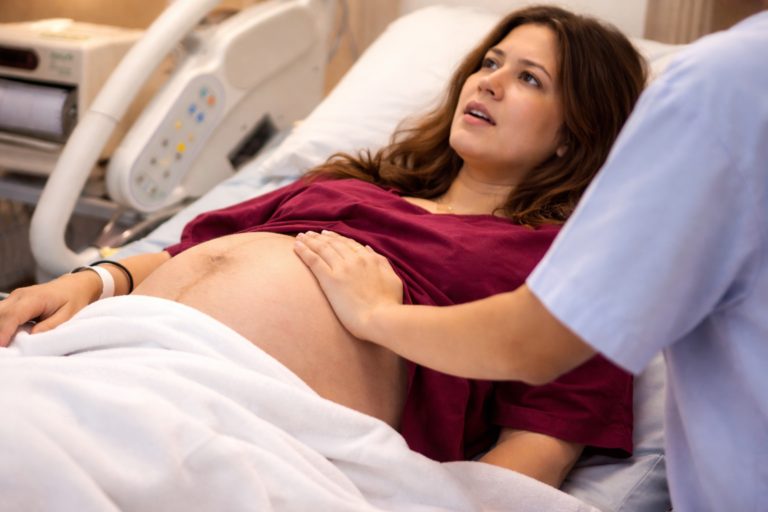




[…] During this time, your body’s hormone levels are rapidly increasing, especially estrogen and progesterone. These are directly related to brain chemicals, so your mood can be affected. Below is a detailed […]