

At 14 weeks pregnancy enters the second trimester a period of rapid growth for the baby and increased comfort for the mother. During this time the baby’s arms and legs lengthen, facial features become more distinct, and vital organs like the kidneys and liver begin to function more effectively. Although many mothers cannot yet feel movements, ultrasounds can reveal the baby’s activity and growth.
For mothers, this stage often brings more energy and reduced first-trimester discomforts like nausea and fatigue. Changes in appetite, breast tenderness, and a gradually growing belly are common. Staying nourished, hydrated, and rested is essential for both mother and baby.
Baby at 14 Weeks Pregnancy
During the 14 weeks pregnancy, the baby’s growth begins to accelerate and now the baby is much more active than before. At this time, the baby’s length may be about 8–9 centimeters and weight about 40–50 grams. The baby’s arms and legs are getting longer and stronger, and the fingers are clearly separated. Facial features such as the eyes, nose, lips, and ears are becoming more clearly formed. At the same time, the baby’s bones gradually begin to harden and fine hair or lanugo may form on the body, which helps to protect the skin.
During this time, the baby’s internal organs also begin to function more effectively. The baby’s kidneys can produce urine and the liver is also gradually becoming active. Although the baby’s body moves, many mothers cannot yet clearly feel that movement. However, it is possible to see the baby’s movement on ultrasound. The baby’s brain and nervous system are developing rapidly at 14 weeks, which plays an important role in his physical and mental development in the future.
14 Weeks Pregnancy Symptoms
The 14 weeks pregnancy marks the beginning of the second trimester. For many mothers, this is a time of relief compared to the first trimester. Nausea or excessive fatigue may gradually decrease and the body begins to adapt to the new changes. At the same time, the baby’s growth begins to accelerate and various hormonal changes occur in the mother’s body. Therefore, it is normal to experience some common physical and mental symptoms during this period.
1. Feeling more energy
At 14 weeks, many mothers feel more energy than before. The excessive fatigue and sleepiness that was experienced during the first trimester may gradually decrease. The body now begins to adapt to pregnancy, so daily tasks may seem a little easier. However, getting enough rest is still important.
2. Gradually growing belly
At this time, the uterus gradually begins to grow, which may also make the size of the belly a little more visible. For many, this is the first time they clearly understand that they are pregnant. This change is due to the growth of the baby and the changes inside the body.
3. Breast changes
At 14 weeks, you may feel heaviness, tenderness, or mild pain in your breasts. The body is preparing to make milk for your baby. This can cause your breasts to enlarge and the area around your nipples to darken.
4. Increased appetite
Many mothers experience increased appetite during this time. This is due to the baby’s growth and increased energy needs. Therefore, it is important to eat nutritious foods such as fruits, vegetables, protein, and calcium-rich foods.
5. Nosebleeds or light bleeding
Hormonal changes can cause the blood vessels in your nose to swell slightly. This can lead to a blocked nose or occasional light nosebleeds. This is a common symptom during pregnancy and is usually not serious.
6. Skin changes
Many mothers experience some changes in their skin at 14 weeks. Some may have brighter skin, while others may have light spots or discoloration on their face or body. This is mainly due to hormonal effects and often subsides gradually after delivery.
How big is a baby at 14 Weeks Pregnancy?
During the 14 weeks pregnancy, the baby’s size continues to grow rapidly and he is now gradually taking on a more distinct human shape. At this time, the baby’s length can usually be about 8 to 9 centimeters (about the size of a lemon) and weight can be about 40 to 45 grams. The baby’s head, limbs and body structure can be seen much more clearly than before. His facial features such as eyes, nose, lips and ears become more pronounced. At the same time, the baby’s bones begin to strengthen and the muscles gradually learn to work.

At this time, many important organs inside the baby’s body such as the heart, kidneys and liver are actively working. The baby’s ability to move his arms and legs also increases, although the mother cannot yet clearly feel those movements. In addition, fine hair or lanugo may begin to grow on the baby’s body, which helps to keep him warm. The baby’s growth and development continues at a rapid pace at 14 weeks, which is an important stage of the second trimester of pregnancy.
14 Weeks Pregnancy is how many months?
14 weeks pregnancy is generally considered to be about 3 months and 2 weeks, or the beginning of the fourth month. In medical science, pregnancy is usually measured in weeks, because it allows for more accurate monitoring of the baby’s growth and the mother’s physical changes. At 14 weeks, the first trimester ends and the second trimester begins. During this time, many mothers’ initial symptoms such as nausea or excessive fatigue begin to subside somewhat and the body gradually adapts to the new situation. Many also start to feel a slight belly.
During this time, the baby’s growth begins to accelerate and various parts of his body are more clearly formed. The baby’s arms and legs may begin to move, although the mother usually cannot feel these movements yet. The baby’s facial features such as eyes, nose, and lips become clearer. At the same time, blood circulation in the mother’s body increases and strength can gradually increase. Therefore, 14 weeks is considered an important and relatively comfortable period of pregnancy.
Pregnancy Time Calculator
14 weeks ultrasound
An ultrasound at 14 weeks pregnancy gives a clear idea of the baby’s growth and condition. At this time, ultrasound usually shows the baby’s head, limbs, spine and body structure more clearly. The baby’s heartbeat can also be monitored and the doctor can confirm whether the baby is growing normally. In many cases, the position of the placenta, the amount of amniotic fluid and the overall condition of the fetus are assessed, which provides important information about the well-being of the mother and baby.
An ultrasound at this time is also a special experience for parents, as they can see the baby’s movements or small gestures for the first time. Although not all organs are fully evaluated at 14 weeks, it is still helpful in understanding whether the baby’s early development is normal. If any abnormalities or doubts are found, the doctor may recommend further tests or detailed scans. Therefore, this ultrasound is important as part of regular prenatal checkups.
Can you find out the baby’s sex at 14 Weeks Pregnancy
A common question that comes to the mind of many parents at 14 weeks pregnancy. Is it possible to know the sex of the baby at this time? Usually, the baby’s reproductive organs begin to form a lot at 14 weeks, so an experienced doctor can sometimes give an idea of the possibility of having a boy or a girl through ultrasound. However, at this time, a lot depends on the baby’s position, movements, and the clarity of the ultrasound. Therefore, gender determination at 14 weeks is not always 100% certain.
Usually, the baby’s sex can be understood more clearly in an ultrasound between 18 and 20 weeks, because the baby’s organs are more clearly visible then. Moreover, in many countries, revealing the sex of the baby in the womb may be restricted for legal or ethical reasons. Therefore, the most important thing for parents is the healthy growth of the baby and regular prenatal checkups. Healthy eating, adequate rest, and following the doctor’s advice make it easier to ensure the well-being of the mother and baby.
How should I feel at 14 weeks pregnant
At 14 weeks pregnant, most mothers start to feel a little better than before. During this time, many of the discomforts of the first trimester gradually subside. Nausea and excessive fatigue may subside somewhat, and energy gradually begins to increase. The belly may become visible little by little, as the baby is growing rapidly. Many mothers may have an increased appetite and their moods may also begin to stabilize. However, due to hormonal changes in the body, breast tenderness, lightheadedness, or some skin changes may also be observed. These feelings are usually normal and part of pregnancy.
Emotional feelings can also change a lot at 14 weeks. Many mothers feel more confident and happy about their pregnancy at this time. Although it is normal to have some anxiety or new feelings, the mother gradually begins to adapt to the changes in her body. Getting enough rest, eating nutritious foods, and having regular prenatal checkups are very important during this time. This maintains the well-being of the mother and baby and can make the later part of the pregnancy more comfortable.
Your Pregnant Belly at 14 Weeks Pregnancy
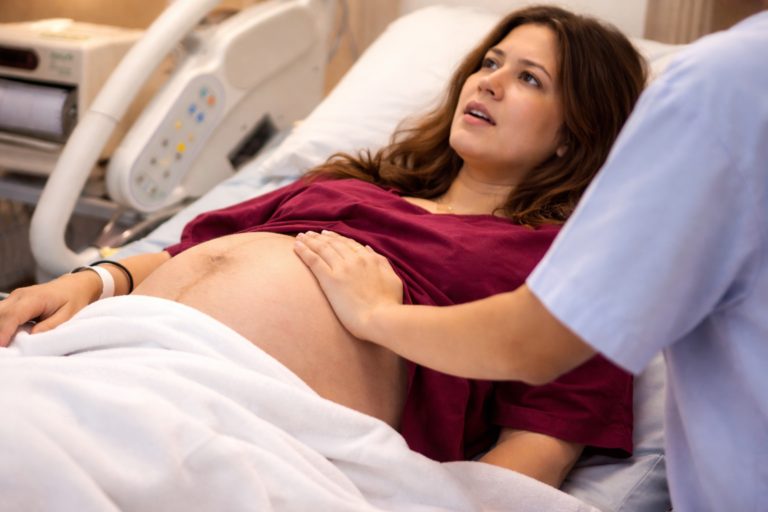
Many mothers’ bellies gradually become visible at 14 weeks pregnancy. During this time, the uterus begins to enlarge and the baby’s growth inside the body continues at a rapid pace. Therefore, the belly may feel a little rounder or higher than before. Sometimes mothers feel that their clothes are getting a little tighter, which is a normal change. During this time, slight changes in the skin may also occur due to the effects of hormones and the skin on the belly may feel a little tight.

At 14 weeks, the shape of the belly gradually becomes clear as the baby’s size is larger than before. However, not all mothers’ bellies are: some notice the change quickly, while others notice it a little more slowly. It is important to wear comfortable clothes, drink enough water, and eat a balanced diet during this time. Regular rest and light exercise also help keep the mother’s body healthy and make this period of pregnancy more comfortable.
Can you feel baby at 14 Weeks Pregnancy
Many mothers wonder if they will be able to feel the baby move at 14 weeks pregnancy. Usually, the baby starts moving inside the uterus at this time, but it is difficult for most mothers to feel it clearly. This is because the baby is still small and its movements are very light. For first-time mothers, the baby’s movements are usually clearly felt between 16 and 20 weeks. However, some mothers may feel very subtle sensations, such as light grasshopper-like movements or bubbles in the abdomen.
However, those who have been pregnant before can often feel very light movements of the baby around 14 weeks. This is usually a very subtle sensation, which can sometimes be mixed with gas or normal bowel movements. So, feeling the baby move or not at this time is normal. Regular health check-ups, eating nutritious food and getting enough rest are very important for the well-being of the mother and the baby during this period.
14 Weeks Pregnancy Checklist
- Schedule your second prenatal appointment
- Start planning balanced meals for proper nutrition
- Continue taking prenatal vitamins regularly
- Monitor and note any unusual symptoms
- Stay active with light exercises or prenatal yoga
- Hydrate well and avoid excess caffeine
- Prepare questions for your doctor or midwife
- Consider starting a pregnancy journal
- Check your work and maternity leave plan
- Start thinking about baby essentials and nursery planning
Tips for 14 Weeks Pregnancy
14 weeks pregnancy is usually the beginning of the second trimester, which is considered a relatively comfortable time for many mothers. During this time, the baby’s growth starts to accelerate and new changes are gradually seen in the mother’s body. In many cases, nausea or excessive fatigue decreases slightly and energy starts to increase. However, keeping the body healthy, eating nutritious food and taking regular care are very important during this time. Proper habits and a healthy lifestyle play an important role in the healthy development of the mother and the baby.
1. Eat nutritious food
At 14 weeks, various organs of the baby’s body develop rapidly, so it is very important for the mother to eat a balanced and nutritious diet. Foods rich in protein, iron, calcium, folic acid and vitamins should be included in the daily diet. Such as eggs, milk, vegetables, fruits, pulses and nuts. Adequate nutrition helps in the overall development of the baby’s bones, brain and body.
2. Drink enough water
It is very important to keep the body hydrated during pregnancy. Drinking enough water keeps the blood circulation of the body good and constipation or dizziness can be reduced. In general, it is good to drink 8–10 glasses of water a day. Drinking fruit juice or coconut water also keeps the body refreshed.
3. Light exercise and walking
At 14 weeks, many mothers feel a little more normal than before, so regular light exercise or walking can be beneficial. Walking for 20–30 minutes every day keeps the body active and improves blood circulation. However, it is better to consult a doctor before starting any exercise.
4. Get enough rest
Pregnancy puts extra stress on the body, so getting enough rest is very important. Getting enough sleep every day and resting for some time during the day reduces body fatigue. Sleeping on the left side improves blood circulation and is comfortable for the mother and baby.
5. Have regular prenatal checkups
It is important to have regular prenatal checkups at 14 weeks. This allows the doctor to monitor the baby’s growth, heartbeat, and the mother’s physical condition. If there are any problems or unusual symptoms, it is possible to know quickly and take necessary measures.
6. Keep stress low
Taking care of mental health during pregnancy is also very important. Excessive worry or stress can affect the body. So staying calm, reading books, listening to music, or spending time with family helps keep the mother’s mind at ease and creates a positive environment for the baby as well.
Conclusion
14 Weeks Pregnancy marks an important milestone in pregnancy as the baby develops rapidly and the mother starts to feel more energetic. Regular prenatal checkups, a balanced diet, and light exercise help ensure healthy growth and a comfortable pregnancy.
Emotional well-being is equally important. Reducing stress, getting enough rest, and maintaining a positive environment supports both the mother’s mental health and the baby’s development. With proper care, this stage can be enjoyable and reassuring as you witness your baby’s growth and your body adapting to the pregnancy journey.