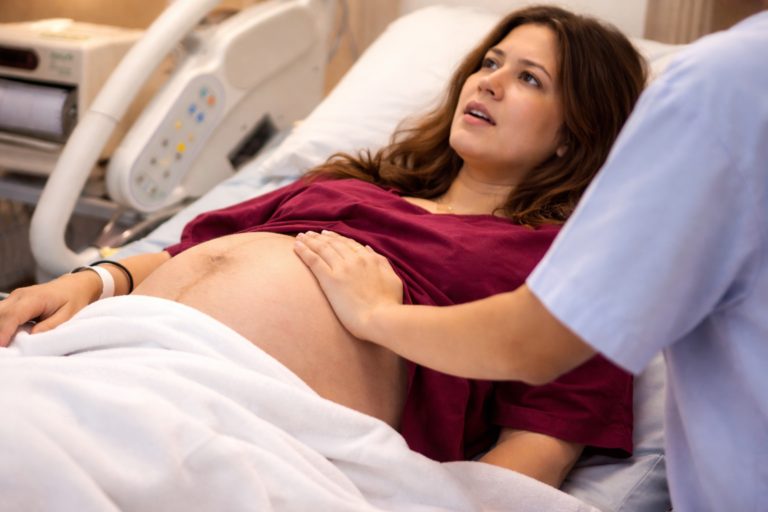


The 13 week pregnancy marks the end of the first trimester. During this time, the baby’s growth is rapid and its features such as hands, feet, eyes, nose and mouth are more pronounced. The baby’s heart is fully functioning and internal organs such as the liver and kidneys are active. The mother’s body also undergoes some changes due to the effects of hormones – the belly may swell slightly, the skin may become shiny or sometimes a rash may appear.
A balanced diet, adequate rest and regular prenatal check-ups are very important at this stage. Foods rich in folic acid, iron and calcium help in the healthy development of the baby’s bones, brain and teeth. Light exercise, drinking enough water and taking care of mental health ensure a safe and comfortable environment for the mother and baby.
Baby at Week 13 Weeks Pregnancy
The baby’s growth is rapid during the 13 week pregnancy. At this time, the baby’s length is about 7–8 centimeters and weight is about 20–25 grams. The baby’s hands, feet and fingers are becoming more pronounced, and facial features such as eyes, nose and lips are gradually forming. At this time, the baby’s heart is fully functioning and blood circulation is working properly. Changes can also be observed in the mother’s body. The size of the abdomen may swell slightly, and the skin may become bright or sometimes have a rash due to the effects of hormones.
Nutritious food and adequate rest are very important for the mother at 13 weeks. Foods rich in folic acid, iron and calcium help in the healthy development of the baby’s bones, brain and teeth. Regular doctor’s advice and prenatal check-ups are necessary. At this stage, many women may experience vomiting, fatigue or mild stomach pain, which is normal. With proper care, this is a safe and comfortable time for the mother and baby.
13 Weeks Pregnancy Symptoms
13 weeks pregnancy is the end of the first trimester and the beginning of the second trimester. During this time, many changes occur between your body and your baby. Some of the discomforts of the first three months gradually begin to subside and for many mothers, this period becomes relatively comfortable. The growth of the baby’s organs becomes more obvious and the formation of its limbs, eyes, ears and mouth is more complete. At the same time, some physical and mental changes can be observed for the mother and the baby.
1. Fatigue and weakness:
At 13 weeks, many mothers feel less tired than before. However, there may still be some fatigue or weakness. Light exercise, adequate rest and a balanced diet help reduce fatigue during this period.
2. Changes in vomiting or nausea:
Morning sickness or vomiting usually decreases to a large extent after the first trimester. However, some mothers may still experience occasional nausea. This problem can be reduced to a great extent by dividing meals into small portions and eating light, easily digestible foods.
3. Changes in the abdomen:
The abdomen gradually begins to grow. Many mothers have a slight bulge at 13 weeks, which is often not very noticeable yet. The digestive system gradually changes under the influence of pregnancy hormones, so mild gas or indigestion may occur.
4. Mood changes:
Mood swings can occur due to hormonal changes. Sometimes you may feel happy, sometimes anxious or restless. Support from family and friends and adequate rest help reduce stress.
5. Baby’s growth and development:
At this time, the baby’s hands and feet, eyes, ears and mouth become clearer. The intestines, brain and heart are developing rapidly. About 7–8 cm in length and 23–25 grams in weight are the normal sizes of the baby at this stage.
6. Position of the fetus or uterus:
The uterus gradually begins to grow and can be felt to the touch. Mild tension or pressure may be felt, which is usually not worrisome.
How big is a baby at 13 Weeks Pregnancy?
The baby’s growth is quite noticeable at 13 weeks pregnancy. At this time, the baby is about 7–8 centimeters long and weighs about 23–25 grams, which is about the size of a lemon. The baby’s body parts are developing more clearly—the finger and toe tips are starting to become clear. The head is still large, but facial features such as the nose, eyes, and lips are gradually becoming visible. In addition, the baby’s bone formation process is progressing rapidly, and the small bones are starting to harden.

During this time, the baby’s internal organs such as the liver, kidneys, and intestines are also starting to function. The baby’s heartbeat is more pronounced, which can be seen on ultrasound. Due to hormonal changes in the mother’s body, some new symptoms may appear, such as fatigue, loss of appetite, and nausea. Proper nutrition, adequate rest, and regular medical advice help make this period safe and comfortable.
13 Weeks Pregnancy is how many months?
A 13 weeks pregnancy usually falls around the end of the third month of pregnancy. Since pregnancy is calculated based on weeks, many new mothers are confused about how many months 13 weeks means. In fact, 4 weeks is considered a month, so 13 weeks is approximately equal to 3 months. During this time, important changes occur in the growth and development of the baby. The length of the baby usually becomes 7–8 centimeters and the limbs and organs become more clearly defined. Hormonal changes in the mother’s body may also cause various symptoms, such as vomiting, fatigue, or changes in eating habits.
At 13 weeks, the mother can gradually feel the position of the fetus and in some cases, the size of the chest and a slight increase in the abdomen are observed. Prenatal vitamins and a healthy diet are very important during this time, as the baby’s brain, heart and bones develop rapidly. Regular and frequent doctor visits and adequate rest are safe for the mother and baby. Maintaining healthy habits during this time makes the rest of the pregnancy easier and more comfortable.
Pregnancy Time Calculator
13 week ultrasound
An ultrasound examination at 13 weeks pregnancy is an important step. At this time, the baby is about 6–7 cm long and the structure of its bones and organs is more clearly visible. The baby’s heartbeat, head shape, limbs, and umbilical cord position are checked through ultrasound. The special reason for visiting the doctor at this time is to detect the baby’s general growth and any genetic abnormalities in advance. This test is very effective in ensuring the health of the mother and baby.

The 13 week ultrasound also shows the position of the fetus and the placenta. The baby’s limbs, brain structure, kidney, and liver size are also checked. The health of the mother’s uterus and cervix is also assessed at this time. Through ultrasound, the mother can feel the connection with the baby and be confident about the normality of the pregnancy. It also provides important information for future medical planning.
What should I expect at 13 Weeks Pregnancy?
At 13 weeks pregnancy, you are reaching the end of the first trimester. During this time, many important changes occur between your body and the baby. Many mothers may feel a bloated belly or small bumps as the baby’s growth accelerates. Early pregnancy symptoms such as nausea and fatigue often begin to subside. As hormone levels gradually stabilize, emotional stress or mood swings decrease.
The baby’s development is also progressing rapidly during this time. His or her hands and feet are becoming more well-formed and facial features are gradually becoming clearer. The bones are also getting stronger due to the increase in fetal collagen. In addition, at 13 weeks, the fetus, which is about 7–8 cm long and weighs 23–25 grams, may start to move slightly, which you may not feel directly. Regular nutritious food and adequate rest are important to ensure the baby’s health.
Your Pregnant Belly at 13 Weeks
Changes in your belly can be gradually noticed at 13 weeks pregnancy. During this time, the baby’s growth accelerates and your first trimester of pregnancy comes to an end. The belly is not very big yet, but in some women, the belly may appear slightly swollen. During this stage, hormonal changes in the body can cause nervousness, fatigue, and mild muscle pain. As the baby grows, the sensitivity of the baby increases and the uterus gradually expands.
It is necessary to pay special attention to your diet and rest at this time. A healthy diet, adequate water, and regular light exercise support the normal growth of the belly. Taking prenatal vitamins and other necessary supplements as recommended by the doctor helps in the proper development of the baby. It is very important to take care of the well-being of the mind and body at this time.
How does your belly feel at 13 weeks pregnant?
Many changes can be observed in the mother’s body at 13 weeks pregnancy, especially in the feeling of the stomach. At this time, the uterus gradually starts to grow, so the stomach may feel slightly swollen or hard. For some mothers, it feels like a kind of pressure or tension, especially in the lower abdomen. Gas or bloating is also common due to the slow digestion process. Sometimes mild pulls or small cramps may be felt, which are usually safe and related to the baby’s development.
The mother may feel some discomfort as the feeling of the stomach changes. During this time, regular light exercise, adequate rest, and proper nutritional intake can reduce swelling and pressure. At the same time, internal changes in the body such as hormonal fluctuations and increased blood flow affect the feeling of the stomach. Therefore, it is important for mothers to take care of their bodies and seek medical advice as needed.
13 Weeks Pregnancy Checklist
- Schedule prenatal appointment
- Take prenatal vitamins regularly
- Monitor weight and diet
- Stay hydrated and exercise lightly
- Note any unusual symptoms
- Discuss any medications with your doctor
- Begin planning for baby essentials
- Consider prenatal screening tests
Can you feel the baby move at 13 Weeks Pregnancy?
For many mothers, the 13 week pregnancy can still be a bit harder than before. The baby is very small at this time and its movements are very subtle, so many women may only feel flutters or light touches for the first time. Especially with first-time pregnancies, it can be delayed to detect movement, as the body is still adjusting to this new sensation. However, those who have been pregnant before may be able to sense small movements relatively quickly.
During this time, the baby’s arms, legs, and other parts of the body are gradually getting stronger. It is possible to feel light movements, kicks, or small pulls, but they are often irregular. There may be a feeling of light puffing or gurgling in the lower abdomen. To accurately sense the baby’s movements, it is most important to be patient, and you should consult your doctor at regular prenatal checkups.
Tips for 13 Weeks Pregnancy
At the 13 week pregnancy, you have reached the end of the first trimester. During this time, the baby’s growth is rapid and your body is also adapting to new changes. Some new symptoms may appear due to hormonal changes, but proper care and awareness will help you stay healthy. Below are important tips for care and health during 13 weeks of pregnancy. Tips and detailed explanation:
Balanced diet:
The development of the baby’s organs and bones is very important during this time. Consume enough protein, vitamins, calcium and iron every day. It is important to eat nutritious foods like vegetables, fruits, eggs, fish and milk. It is better to avoid processed or oily foods.
Light exercise:
You can do light walking, pregnancy yoga or stretching. This keeps blood circulation good and reduces back pain and fatigue. However, it is important to consult a doctor before starting any new exercise.
Adequate rest:
Adequate sleep is essential for the body and mind. Sleep well at night and take short breaks during the day. Lack of rest can increase fatigue and mental stress.
Hydration:
Drink enough water every day. This not only protects against dehydration, but also helps to remove toxins from the body and increases the effectiveness of prenatal vitamins.
Regular doctor’s advice:
It is important to get the necessary checkups and ultrasounds done at each stage. Take prenatal vitamins and other medications as directed by the doctor.
Protect mental health:
Emotional fluctuations can occur due to hormonal changes. Light walking, meditation, or reading a favorite book can be helpful to reduce stress. Talk to your family if necessary.
Conclusion
13 weeks pregnancy is an important stage in the life of the mother and the baby. At this time, the baby’s length can be about 7–8 centimeters and weight 23–25 grams. Hands, feet and limbs are becoming clear, facial features are forming, and internal organs such as the liver, kidneys and intestines are starting to function. The baby’s heart is fully functioning, which is clearly visible on ultrasound.
This time is also very important for the mother. Fatigue may gradually decrease, but it is important to maintain light exercise, a balanced diet and adequate rest. Due to hormonal changes, mood swings, mild nausea or gas may occur, which are common and temporary. Regular medical advice, taking prenatal vitamins and a healthy lifestyle ensure the healthy development of the baby. This 13-week stage can be safe, comfortable and enjoyable with proper care.