
The first 24 hours after a baby is born are extremely important for survival, bonding, and healthy development. During this time, newborn care focuses on keeping the baby warm, supporting breathing, and starting breastfeeding as early as possible. Skin-to-skin contact with the mother helps stabilize the baby’s body temperature and heart rate while also encouraging emotional bonding. Colostrum, the first milk, provides powerful antibodies that protect the baby from infections. Cleanliness, safe handling, and constant observation are also essential to ensure the newborn remains stable and comfortable.
In addition to feeding and warmth, the first day of newborn care also includes monitoring the baby’s basic health signs such as crying patterns, urination, bowel movements, and overall activity level. Keeping the environment calm, quiet, and free from excessive visitors helps the baby rest properly and reduces stress. Diaper changes should be done regularly to avoid rashes and maintain hygiene. The umbilical cord area must be kept clean and dry to prevent infection. Parents should observe any unusual symptoms like fever, difficulty breathing, or poor feeding and seek medical advice if needed. Proper newborn care during these first 24 hours lays strong foundation for the baby’s future health, growth, and emotional well-being.
Things to do in the first 24 hours of baby care
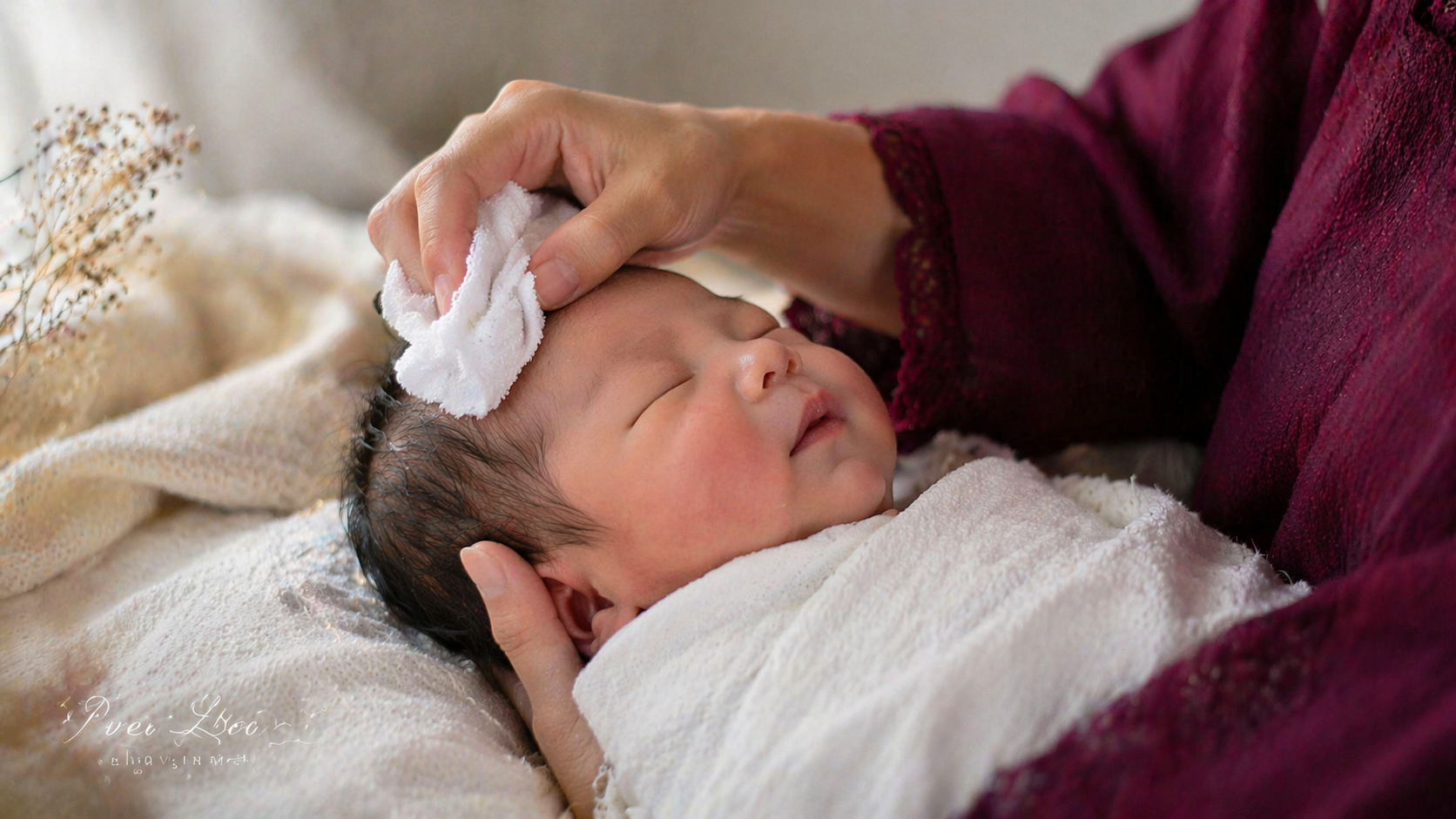
The first 24 hours of Baby Care are the most important time for a newborn. After birth, the baby should be kept warm and comfortable, because during this time the baby’s body can quickly cool down. Skin-to-skin contact with the mother’s chest keeps the baby’s breathing and heartbeat normal and makes breastfeeding easier. It is very important to start breastfeeding within the first 1 hour, because it increases the baby’s immunity. In addition, care should be taken to keep the baby’s navel clean and to clean the eyes and face.
Another important task of Baby Care is to change the baby’s diaper regularly and clean it thoroughly after urination and defecation. The baby’s crying, sleep, breathing and body temperature should be monitored regularly. Keep the baby away from excessive guests or excessive light and noise, so that he can rest peacefully. A safe environment, cleanliness and good care of the mother are the most important for the newborn in the first 24 hours.
Things to do in the first 24 hours of newborn care
The first 24 hours after the birth of a newborn are a very important time. If newborn care is done properly during this time, the baby’s health is good and the mother also gets relief. It is important to keep the baby warm, wrap it in clean clothes and provide skin to skin contact immediately after birth. In addition, it is necessary to check whether the baby’s breathing is normal, whether the body temperature is normal and whether the crying is normal. As part of newborn care, it is very important to maintain the care and cleanliness of the baby’s umbilical cord.
The most important newborn care step is to start breastfeeding the baby within the first 24 hours. This increases the baby’s immunity and improves the mother’s milk production. It is necessary to monitor whether the baby is urinating and defecating, because this is a sign of health. At the same time, it is good to keep the baby away from contact with excessive people. Ensuring sleep, comfort and a safe environment are also important parts of newborn care. Therefore, if newborn care is done consciously, the baby’s start is safe.
How long does the newborn care last and its features?
Newborn Care is usually considered to be the first 28 days (4 weeks) after birth. These 28 days are called the Neonatal Period. However, in reality, in many cases, special rules of baby care have to be continued for the first 6-8 weeks, because during this time the baby’s weight gain, sleep routine and immunity gradually strengthen. Main Features of Newborn Care:-
1. Breastfeeding
The most important part of newborn care is breast milk. It is best to breastfeed the baby within the first 1 hour after birth. The mother’s first milk (Colostrum) acts like a natural vaccine for the baby, which protects the baby from various infections. Newborns usually need to be fed 8-12 times a day, because their stomachs are small and they get hungry quickly.
2. Warmth Care
The newborn’s body can get cold very quickly. Therefore, keeping the baby warm is a major feature of newborn care. After birth, it is important to dry the baby, wrap it in warm clothes, put a hat on its head, and keep it away from cold environments. In addition, skin-to-skin contact between the mother and the baby helps a lot in maintaining the baby’s body temperature.
3. Hygiene & Umbilical Cord Care
It usually takes 7-14 days for the umbilical cord to dry out. During this time, it is very important to keep the umbilical cord clean and dry. If it is dirty, there is a risk of infection. In addition, keeping the baby’s hands, feet, clothes, and surrounding environment clean is one of the most important aspects of newborn care.
4. Bathing & Skin Care
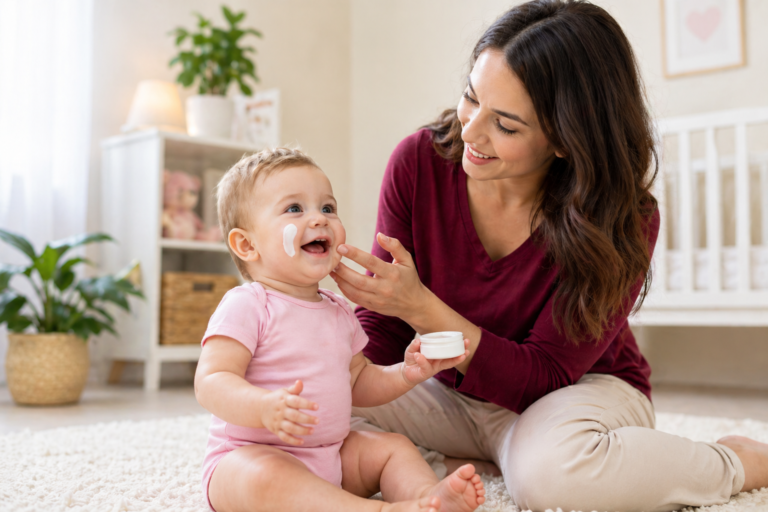
The skin of a newborn is very soft and sensitive. Therefore, it is not necessary to bathe it every day immediately after birth. It is usually better to give a light sponge bath before drying the umbilical cord. If the baby’s skin becomes dry, mild baby lotion or coconut oil can be used. Excessive soap or perfumed products can cause rashes on the baby’s skin.
5. Sleep Pattern
Newborns usually sleep up to 16-18 hours a day. They sleep for short periods of time and occasionally wake up to feed. A big part of newborn care is ensuring the baby’s safe sleep. It is best to always put the baby on his stomach and avoid soft pillows or heavy blankets, so that there is no risk of breathing problems.
6. Diaper Care
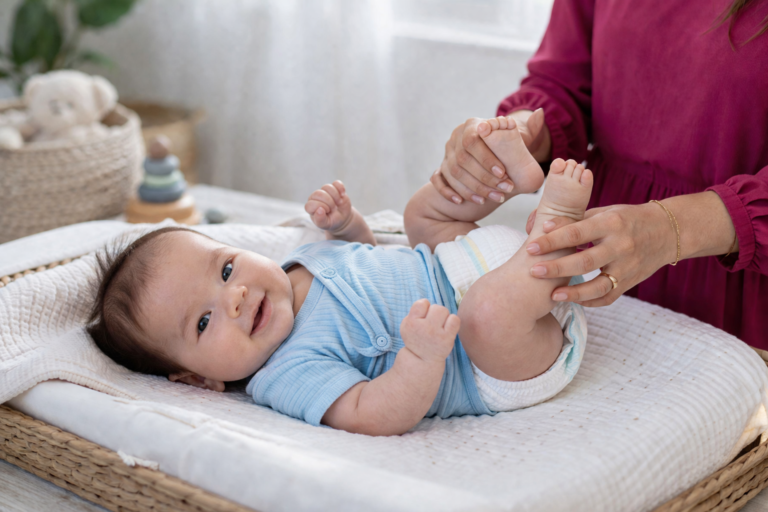
Newborns urinate and defecate many times a day. Therefore, changing diapers regularly is one of the most important aspects of newborn care. Rashes can occur if the diaper is wet for a long time. It is best to clean the baby with lukewarm water and dry the skin before putting on a new diaper.
7. Monitoring Baby’s Health
It is important to regularly monitor the newborn’s weight gain, amount of food eaten, number of urinations and bowel movements, and body temperature. If the baby has trouble feeding, sleeps excessively, has difficulty breathing, has a fever, or looks blue, it is necessary to see a doctor immediately. This observation is a very important feature of newborn care.
8. Immunization
Some vaccines are very important for newborns immediately after birth, such as BCG, OPV, Hepatitis B. Vaccines protect the baby’s body against various serious diseases. Therefore, timely vaccination is an important part of newborn care.
Summary of Newborn Care
Overall, newborn care is usually most important for the first 28 days, but it may take 6-8 weeks for the baby to fully stabilize and establish a routine. During this time, proper breastfeeding, cleanliness, keeping warm, sleep safety, and regular health monitoring are most important for the healthy growth of the baby.
The proper feeding schedule for newborns
A newborn baby needs frequent feeding because their stomach is very small and they digest milk quickly. In the first few weeks, feeding should be done on demand or every 2–3 hours to ensure proper growth and hydration. Both breastfed and formula-fed babies follow a similar routine, but formula-fed babies may feed slightly less often. A healthy feeding schedule helps newborns gain weight, sleep better, and stay active.
| Baby Age | Feeding Frequency (Per Day) | Feeding Amount (Per Feed) |
| 0–24 Hours | Every 2–3 hours (8–12 times) | 5–10 ml (colostrum/milk) |
| 1–3 Days | Every 2–3 hours (8–12 times) | 10–30 ml |
| 4–7 Days | Every 2–3 hours (8–10 times) | 30–60 ml |
| 1–2 Weeks | Every 2–3 hours (8–10 times) | 60–90 ml |
| 2–4 Weeks | Every 2–4 hours (7–9 times) | 90–120 ml |
| 1–2 Months | Every 3–4 hours (6–8 times) | 120–150 ml |
| 2–3 Months | Every 3–5 hours (5–7 times) | 150–180 ml |
Baby sleep patterns and safe sleeping positions
Newborn babies sleep differently from adults. Usually, babies sleep for 14-17 hours a day in the first few months of life, but they do not sleep continuously, and they sleep for short periods of time and wake up. During this time, the baby needs to eat more, so he/she is disturbed. The time spent sleeping at night gradually increases, but it takes some time to create a regular routine. A comfortable environment for the baby, dim lighting, quiet sounds and timely feeding improve the quality of sleep.

Sleeping position is very important to ensure the baby’s safe sleep. The safest sleeping position is to put the baby on his/her back, so that there is no problem with breathing. To maintain the sleeping position, soft pillows, blankets or toys should not be placed on the bed. If the sleeping position is not correct, the risk of suffocation may increase. Therefore, it is always best to put the baby to sleep in a firm and flat bed with the correct sleeping position.
Newborn skin care and cleanliness
Newborn skin care and cleanliness are very important for the well-being of the newborn. After birth, the baby’s skin is very soft and sensitive, so it is good to give a sponge bath with lukewarm water every day. The baby’s face, throat, hands and feet and diaper area should be kept clean regularly. In case of newborn skin care, mild, baby-friendly products should be used instead of using perfumed soaps or lotions. After bathing, the skin should be gently dried with a soft towel so as not to rub the skin.
It is important to wipe and dry the baby’s skin thoroughly during diaper changes, as wetness can cause rashes. Zinc oxide cream can be used if necessary. To maintain newborn skin care, the baby’s nails should be cut short and clean clothes should be worn. If the skin is dry, a small amount of moisturizer can be applied. Regular cleanliness improves newborn skin care and keeps the baby’s skin soft and healthy. Proper newborn skin care reduces the risk of infection and ensures the baby’s comfort.
Important information about newborn immunity and vaccinations
Newborn immunity is very weak after birth, because the baby’s body is not yet fully developed. During this time, newborn immunity gradually starts to strengthen through mother’s milk. For the first few months, newborn immunity protects the baby from various infections. Proper care, vaccination and nutrition help improve newborn immunity. Therefore, it is very important to have a correct idea about newborn immunity right from birth.
Newborn vaccinations given at the right time can provide protection from various serious diseases. In the first six months, the baby’s body gradually strengthens and its immunity increases. Hepatitis, polio and BCG vaccines play an important role in protecting the health of the newborn. Regularly following the doctor’s advice can ensure the safe growth of the baby. Proper care, clean environment and adequate nutrition play an important role in the healthy development of the baby. This helps prevent diseases in the future and is good.
Proper rules for newborn umbilical cord care
Newborn cord care is a very important part of newborn umbilical cord care. When newborn cord care is done, the umbilical cord should always be kept clean and dry to prevent infection. If newborn cord care is followed correctly, the umbilical cord of the newborn dries quickly and complications are reduced. It is better not to use any kind of oil or cream at the base of the umbilical cord and care should be taken as per the doctor’s advice. Regular monitoring keeps the newborn healthy and reduces the risk of infection. Timely care is very important for mothers.
Newborn cord care Newborn umbilical cord care is very important in the first few weeks after birth. Newborn cord care Proper care protects the baby from germs and ensures quick recovery. The area should be kept dry and loose clothes should be used until the umbilical cord falls off. If redness, bad smell or pus is seen, it is important to contact the doctor immediately. Regular hand hygiene and proper care are very important for the baby’s well-being. This practice gives good results in the long run.
How to understand newborn growth monitoring
Monitoring the growth of a newborn is very important. To understand newborn growth, the daily and weekly weight, height and physical changes of the baby need to be observed. By monitoring newborn growth regularly, parents can easily understand whether the baby is developing properly or not. Proper tracking of newborn growth also helps in identifying health problems early. Regular monitoring also helps in understanding the nutritional and sleep status of the baby.

To understand newborn growth correctly, it is necessary to monitor the baby’s eating habits, number of urination and defecation, and daily behavior. Through newborn growth monitoring, the doctor can easily understand whether the baby’s development is normal or if there is any problem. Regular checkups and vaccinations help in the healthy growth of the baby. If parents are aware of the situation, they can better ensure the future health of the baby and be able to identify problems quickly. This monitoring plays an important role in building a healthy life for the baby. Growth
Newborn clothing, temperature and creating a comfortable environment
Proper clothing, temperature and creating a comfortable environment are very important in newborn care. Newborn clothing, temperature and creating a comfortable environment Newborn clothing, temperature and creating a comfortable environment Ensuring the newborn’s sleep, feeding and comfort of the environment is considered a very important responsibility for parents. Here Newborn clothing, temperature and creating a comfortable environment Choosing the right clothing and controlling the temperature of the room helps to maintain the baby’s well-being. Newborn clothing, temperature and creating a comfortable environment
Newborn clothing, temperature and creating a comfortable environment Choosing the right clothing for newborns keeps their body temperature normal and they can sleep comfortably, which helps in healthy growth. Newborn clothing, temperature and creating a comfortable environment In newborn care, it is very important to maintain the right balance of the room environment, light and air so that the baby’s mental and physical development is correct. It keeps the baby safe and comfortable. Always take care
Baby Feeding Chart (0–6 Months)
| Age | Feeding Type | Frequency |
|---|---|---|
| 0–1 Month | Breast Milk / Formula | 8–12 times/day |
| 1–3 Months | Breast Milk / Formula | 7–10 times/day |
| 3–4 Months | Breast Milk / Formula | 6–8 times/day |
| 4–6 Months | Breast Milk + Early Solids (if advised) | 5–7 times/day |
Daily essential baby care tips
Taking care of a newborn baby is an important and responsible task for every parent. It is very important to follow some essential baby care tips every day to ensure the health, comfort and proper development of the baby. Proper care not only keeps the baby healthy, but also plays an important role in his mental and physical development.
1. Regular Feeding Routine
It is very important to feed the newborn baby on a regular schedule. Usually, babies want to drink breast milk or formula milk every 2-3 hours. Feeding at the right time helps the baby’s digestion and provides him with adequate nutrition. After feeding, the baby should be held upright for a while, so that the problem of gas or vomiting is reduced.
2. Diaper Change & Hygiene Care
It is necessary to change the baby’s diaper regularly, because wet or dirty diapers can cause rashes. Usually, diapers may have to be changed 6-10 times a day. The baby’s skin should be cleaned and dried thoroughly each time during the change and baby cream can be used if necessary.
3. Safe Sleep Environment
Adequate sleep for newborns is very important. The baby should be put to sleep in a calm, clean and comfortable environment. The baby should always be placed on its back and no extra pillows or toys should be placed on the bed, so that there is no problem in breathing.
4. Bathing & Skin Care
The baby should be bathed in lukewarm water 2-3 times a week, if not every day. Since the baby’s skin is very sensitive, mild baby soap and shampoo should be used. Drying the skin thoroughly after bathing and applying moisturizer will prevent dryness and reduce rashes.
5. Health Monitoring
The baby’s body temperature, behavior and eating habits should be monitored regularly. If any abnormalities such as fever, excessive crying or decreased eating occur, a doctor should be consulted immediately. Regular vaccination is also very important for the baby’s well being.
Conclusion
Following these simple but important cares will ensure the health of the newborn baby and ensure its proper development.
Newborn care during the first weeks is a critical phase that shapes a baby’s overall health and development. Parents should focus on proper feeding, hygiene, sleep safety, and regular monitoring to ensure the baby grows in a healthy environment. Consistent attention to temperature control, diaper care, and umbilical cord cleanliness reduces the risk of infections and discomfort. Emotional bonding through skin-to-skin contact and gentle handling also supports the baby’s emotional security. By following these essential care steps, parents can create a safe and nurturing start for their newborn’s life.
Maintaining awareness and following medical guidance ensures that newborns receive the best possible care from the beginning. Parents should always observe feeding patterns, sleep behavior, and physical changes to detect any early signs of health issues. Regular vaccination schedules and pediatric checkups are essential for strengthening immunity and supporting healthy growth. A calm home environment with proper lighting, ventilation, and cleanliness further enhances the baby’s comfort. Patience and consistency in caregiving help parents build confidence and ensure long-term well-being for the child. With proper newborn care practices, the first stage of life becomes safer, healthier, and more stable for both baby and parents ensuring healthy lifelong development from the start together.