

At 30 weeks pregnancy, both the baby and mother undergo rapid changes. The baby weighs around 1.3–1.5 kg and measures 38–40 cm, with the brain, lungs, and sensory systems developing quickly. Movements, kicks, and small gestures are now more noticeable, strengthening the bond between mother and child.
For the mother, physical changes like back pain, fatigue, and shortness of breath are common. Adequate rest, nutritious meals, and light exercise are crucial to support both mother and baby’s health. Regular checkups ensure the pregnancy progresses safely, preparing both for the final trimester.
Baby at 30 Weeks Pregnancy
The baby’s growth and development is very rapid during the 30 weeks pregnancy. At this time, the baby’s weight can be about 1.3–1.5 kg and the length is about 38–40 cm. The baby’s brain and nervous system are developing further, which will help in the sensory and learning process after birth. The ability to open and close the eyes is improving, and the baby’s throat and lungs are gradually preparing to breathe air. During this time, the baby’s body fat is accumulating, due to which the skin becomes soft and smooth.
Many changes also occur in the mother’s body. Back and waist pain, fatigue, and sleep problems are common in the last trimester of pregnancy. The baby’s kicks or rotations are clearly felt, which increases the connection between the mother and the baby. Adequate rest, a balanced diet, and light exercise help ensure the health of the baby and the mother. Regular checkups and doctor’s consultation are very important during this period.
30 Weeks Pregnancy Symptoms
At 30 weeks pregnant, you are now in your third trimester. Your body and your baby’s development are both changing rapidly. Your baby’s body is getting stronger, his limbs and skin are firming up, and you can feel his movements more clearly. As a mother, your body is also going through various changes. Sometimes this can cause fatigue, pain, or irregular feelings. Taking care of yourself, getting enough rest, and eating right is very important at this stage.Key symptoms:
Increased baby’s mobility:
At 30 weeks, your baby is much more active. You can clearly feel his kicks, turns, and twists. This is an important indication of the baby’s normal development.
Growing belly and fetal pressure:
Your belly is getting bigger, which can affect your balance and walking. This can sometimes cause back or waist pain.
Shortness of breath and fatigue:
The growing baby can put pressure on your lungs and other organs. As a result, you may feel tired easily and experience mild shortness of breath.
Bone and joint instability:
Hormonal changes can cause mild instability or pain in the hips, legs, and neck. This is common and often prepares the fetus and mother’s body for birth.
Digestive discomfort and gas problems:
Increased gastric acid, mild indigestion, or gas problems are also common during this time. Eating small, frequent meals and light exercise can help.
Swelling in the hands and feet:
Excess fluid in the body can cause swelling in the hands and feet. While this is usually normal, if the swelling occurs suddenly or is severe, it is important to consult a doctor.
Sleep disturbances:
A large belly can make it difficult to sleep comfortably. To ensure adequate rest, it may be helpful to use a pillow on your side or sleep slightly on your left side while lying down.
How big is a baby at 30 Weeks Pregnancy?
The baby’s growth is rapid at 30 weeks pregnancy. At this time, the baby weighs about 1.3 to 1.5 kg and is about 38–40 cm long. Body fat begins to accumulate, due to which the baby’s skin gradually looks smooth and round. The eyes, ears and other organs are becoming more active and well-organized. The baby’s lungs and heart function are getting stronger, which is important in preparation for birth. In addition, the baby’s brain is growing and various sensory responses are becoming more pronounced.
Changes can also be observed in the mother’s body. Mild pain or pressure may be felt due to the growing belly. This may cause the body to walk slowly to maintain balance. The mother may sometimes feel tired, tense muscles or light fluttering. A nutritious diet, adequate rest and light exercise help ensure the healthy growth of the baby. Regular checkups and ultrasounds are important to monitor the baby’s condition.
A look at baby at 30 Weeks Pregnancy in the womb
The baby’s growth and development become much more dynamic at 30 weeks pregnancy. At this time, the baby can be about 37–40 cm long and weigh 1.4–1.6 kg. The baby’s brain, lungs and other important organs are developing rapidly. The arms and legs are getting stronger, and small nails and hair have also started to appear. The baby in the womb is now practicing breathing, moving its arms and legs and sometimes kicking. As a result, the mother can clearly feel the baby’s presence.

The mother’s body is also going through changes during this time. Mild pain or pressure may be felt as the belly grows. Irregular sleep, mild fluid retention and shortness of breath are common. However, proper nutrition, adequate rest and regular prenatal check-ups help ensure the healthy development of the baby. The mother’s feelings and the baby’s activity during this time add to the joy of pregnancy.
30 Weeks Pregnancy is how many months?
A 30 weeks pregnancy is usually equivalent to about 7 months. Since there are about 4.3 weeks in a month, converting 30 weeks into months comes to about seven months. During this time, both the pregnant mother and the baby’s body undergo rapid changes. The baby’s weight and body growth occur rapidly, and important organs such as the brain, lungs, and kidneys become stronger. The mother can often clearly feel the baby’s movements, kicks, and rotations.
Some common changes may occur in the mother’s body during this time, such as a growing belly, mild back pain, fatigue, and hormonal changes. Proper nutrition, adequate rest, and light exercise are essential for the healthy development of the baby. Regular medical consultations and ultrasound examinations help ensure the health of the mother and the baby. Thus, 30 weeks of pregnancy is an important and caring time for the mother and the baby.
Pregnancy Time Calculator
29 week ultrasound
A 29-week ultrasound is an important stage in the health and growth of the baby during pregnancy. At this time, the baby’s weight, average height, head and abdominal size, gender, and development of organs are measured through ultrasound. In addition, the position of the placenta, the amount of amniotic fluid, and the health of the umbilical cord and other important organs are checked. If any abnormalities are detected, the doctor can identify them early. The expectant mother can clearly feel the baby’s movements at this time, which, together with the ultrasound, ensures the baby’s well-being.
Ultrasound at this stage is particularly important for assessing the baby’s growth rate and general physical development. At 29 weeks, the baby’s kidneys, heart, and brain structure are more consistent. In addition, the pregnant mother’s blood pressure and other body signs are checked. Regular ultrasounds can confirm the baby’s health and the progress of the pregnancy, which is very important for the mother’s mental peace and safety.
Your Pregnant Belly at 30 Weeks Pregnancy
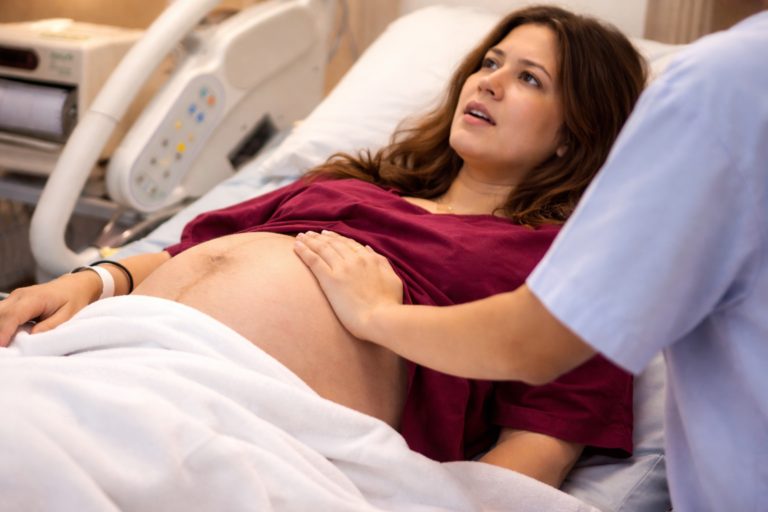
Physical changes for the mother and baby are clearly noticeable at 30 weeks pregnancy. At this time, your pregnant belly has become larger and more visible. The shape and growth of the belly may vary depending on the baby’s position and body type. At this time, the baby’s rapid growth and development of bones, muscles and skin may cause the belly structure to be positioned slightly lower or higher. Sometimes, you may feel a tightening of the stomach or minor pain, which is usually normal.

As a mother, light walking, adequate rest and proper diet are very important at this time. Foods rich in vitamins, proteins and minerals should be consumed for the betterment of the pregnancy. It is also good to avoid excessive pressure on the belly and try to maintain proper posture. It is important to seek regular medical advice so that the health of the mother and baby is good and this important period of 30 weeks can be spent safely.
What is the expected baby position at 30 Weeks Pregnancy?
At 30 weeks pregnancy, the baby’s position gradually begins to stabilize. At this time, the baby has not yet completely descended head down, but his body is gradually taking slight bends and rotations downward. The mother can feel an ultrasound to see how stable the baby’s head, back and legs are. Sometimes the baby’s elbows or legs are on different sides of the mother’s abdomen, which can feel light pressure or touch. The baby’s position depends on his own physical development and the location of the uterine muscles.
It is important to keep the baby’s position correct at this stage, because the possibility of his head descending for birth increases in the following weeks. The doctor regularly checks the baby’s position through ultrasound so that specific exercises or advice can be given if necessary. If mothers are concerned about the baby’s position, they can try to turn the baby by walking lightly or lying in a certain position. This step is important for the safe birth of the baby.
What to expect at 30 Weeks Pregnancy with twins
At 30 weeks pregnancy, both the body and the development of the baby are in a state of rapid change. At this time, the weight of the twins can be up to about 1.4–1.8 kg and the length is about 38–42 cm. Their skin is now gradually smoothing and fat has begun to accumulate, which will help them regulate their heat after birth. The lungs are not yet fully developed, so the baby’s breathing skills are still in the development stage. In addition, the mother can clearly feel the baby’s kicks, turns and various movements due to the rapid growth of the brain and the increase in muscle strength.
The mother’s body also faces various challenges during this time. Mild pain, difficulty walking and fatigue may be felt due to the growing belly. Sudden weight gain and body swelling may occur, which is important to be monitored regularly by the doctor. Diet, adequate rest and light exercise are very important during this period. The health of the twins can be ensured through necessary medical checkups and ultrasounds and it is possible to maintain the well-being of the mother.
Checklist at 30 Weeks Pregnancy
Tips for 30 Weeks Pregnancy
At 30 weeks pregnant, you have already entered the third trimester. During this period, important changes occur in both the baby’s growth and the mother’s body. Your body may become heavier, the baby’s rubbing or kicking is felt more clearly. Proper care and healthy habits during this period are very important for the safe birth of the baby and your comfort.Tips for 30 weeks pregnancy:-
1. Monitor the baby’s movements
At this time, the baby’s play or kicks become more obvious. Monitor the baby’s movements once or twice a day. If you notice less movement consistently for a few days, consult a doctor immediately.
2. Eat nutritious food
Nutritious food is important to maintain your and the baby’s health. You should eat foods rich in protein, calcium, iron and vitamins regularly. Drink plenty of water and eat light fruits or soups.
3. Get regular rest
At this stage of the 3 trimester, the body gets very tired. Get adequate rest during the day and it is convenient to lie on the left side while sleeping. This improves blood circulation and ensures proper oxygen supply to the baby.
4. Do light exercise
Light walking, stretching exercises or yoga make breathing easier and help reduce fat and pain. However, before starting any new exercise, be sure to get your doctor’s permission.
5. Maintain mental peace
It is normal to be stressed or anxious during this time. Meditation, listening to light music or reading your favorite book can help you relax. Family support and talking to friends are also beneficial.
6. Get regular medical checkups
Regular ultrasounds, blood pressure checks and other tests should be done at 30 weeks.
Conclusion
Reaching 30 weeks marks an exciting stage in pregnancy. The baby’s growth accelerates, and sensory development becomes more refined, while the mother’s body adapts to accommodate these changes. Monitoring movements, eating nutritious food, and maintaining a balanced routine are key for well-being.
Healthcare visits, ultrasounds, and light exercise help manage discomforts like swelling, back pain, or shortness of breath. By following medical advice and practicing self-care, mothers can enjoy this stage while ensuring the baby’s safe development, building anticipation for a healthy birth.