

At 28 weeks of pregnancy, you are entering the third trimester, and both you and your baby are experiencing significant changes. The baby is growing rapidly, developing muscles, accumulating fat, and practicing breathing, while the eyes and brain continue to mature. Movements like kicks and turns become more noticeable, bringing joy to the mother.
For the mother, the growing belly may cause mild discomfort, back pain, and shortness of breath. Proper nutrition, adequate rest, light exercise, and regular medical checkups are essential. Awareness and care at this stage ensure a healthy, safe, and enjoyable pregnancy experience.
Baby at 28 Weeks Pregnancy
At 28 weeks pregnancy, the baby’s growth is getting faster and stronger. At this time, the baby’s length is about 37–39 centimeters and weight is about 1–1.2 kilograms. Fat has begun to accumulate under the skin, so the baby’s skin looks less folded. The lungs are slowly developing and the baby is developing breathing habits, although not completely ready. The color of the eyes may start to change and brain development is also accelerating.
Changes can also be observed in the mother’s body. Mild pain or discomfort may be felt due to the growing belly. The baby’s movements can be felt more clearly, such as kicks or turns. A balanced diet, adequate rest and light exercise are important for the baby’s health and the mother’s well-being during this time. Regular doctor’s consultations and ultrasound examinations ensure that the baby is developing normally.
28 Weeks Pregnancy Symptoms
28 weeks of pregnancy, i.e. the beginning of the third trimester. During this period, both the mother and the baby’s body are undergoing rapid changes. The baby’s body weight and height are increasing, breathing and muscle activity are becoming more active. At the same time, the mother starts experiencing various physical and mental changes. Many new symptoms may appear this week, which can be easily managed if you are aware. Common symptoms of 28 weeks of pregnancy
1. Increased activity of the baby inside the womb
The baby has become more active during this period. Its kicks or movements can be felt more clearly. Sometimes, a sudden stiffening or light twitching may be felt. This is a normal sign of the baby’s muscle growth and strength.
2. Back pain and fatigue
As the fetus increases, the pressure on the mother’s back increases. As a result, back pain, discomfort in the waist and lower back may be felt. Walking a lot or standing for a long time increases fatigue. Adequate rest and light exercise help reduce such problems.
3. Body elasticity and shortness of breath
Due to the increased weight on the pregnant bones and muscles, shortness of breath or mild shortness of breath may occur. In addition, chest pressure may also increase slightly. Regular small breathing exercises or sitting in the right posture can help reduce shortness of breath.
4. Swelling or swelling of the legs
Although swelling of the legs is normal towards the end of pregnancy, sometimes it can be excessive. Swelling increases due to standing or sitting for a long time. Resting with the legs elevated and drinking enough water is helpful.
5. Digestion and digestive system problems
Due to hormonal changes during pregnancy, digestive problems, heartburn, indigestion or gas problems may occur. It is better to eat small, light meals and avoid oily and spicy foods.
6. Mental changes and emotional fluctuations
The effects of hormones, physical changes and anxiety about the upcoming baby can cause emotional fluctuations during this time. It is normal to feel angry or sad suddenly. Family support and mental peace are important in this case.
How big is a baby at 28 Weeks Pregnancy?
The baby is growing rapidly at 28 weeks pregnancy. At this time, the baby is about 37–38 cm long and weighs about 1–1.2 kg. Fat is gradually accumulating under his skin, which makes the skin look less wrinkled than before. The baby’s brain and nervous system are becoming more active, so he can express his position through movements and kicks. In addition, his lungs are gradually maturing and are practicing breathing, although not yet fully ready.
It is normal for the mother to clearly feel the baby’s kicks or rotations at this time. Often the movements of the baby’s arms, legs or head become a moment of joy for the mother. Proper nutrition, adequate rest and regular consultation with the doctor at this stage are important to ensure the healthy growth of the baby. With proper care and attention, pregnancy at this time is safe and pleasant.
What does a baby look like at 28 Weeks Pregnancy in the womb?
The baby’s development is very rapid at 28 weeks pregnancy. At this time, the baby’s length is about 36–38 centimeters and the weight can be about 900 grams to 1 kilogram. The baby’s skin has started to accumulate fat, so the skin does not look wrinkled or dry as before. The hair on the head, eyebrows and nails are becoming more pronounced. Although the baby’s eyes are not yet fully open, the development of the pupils and color has begun. In addition, the baby’s arms and legs are getting stronger and the muscles are developing more.

During this time, the baby’s lungs are gradually preparing and they have started practicing breathing. The baby’s activity has increased; the mother can easily feel the kicks, rotations and small movements. Although the baby’s organs are largely complete, it will take more time to be fully prepared after birth. If the mother takes care of them, the baby’s healthy growth can be ensured.
28 Weeks Pregnancy is how many months?
A 28 weeks pregnancy is usually counted as about seven months. The entire period of pregnancy is usually considered to be 40 weeks, so at 28 weeks, many changes have already started to occur in the mother and baby’s body. At this time, the baby’s weight can be about 1–1.2 kg and the length is about 36–38 cm. The baby’s liver and lungs are gradually developing and he is starting to practice breathing. At the same time, the mother is going through many changes physically and mentally. The growing belly, pain, fatigue and hormonal changes are common.
Taking care of the mother’s body is very important at 28 weeks. A balanced diet, enough water, light exercise and adequate rest ensure the normal development of the baby. Regular medical consultations and ultrasound checkups are very necessary. Staying mentally calm and reducing stress are also healthy for the mother and baby. Taking proper care of this period makes the pregnancy experience much safer and more enjoyable.
Pregnancy Time Calculator
28 week ultrasound
The 28 week ultrasound is one of the most important stages of pregnancy. During this period, the baby’s growth is rapid, and through ultrasound, the doctor gets an accurate idea of the baby’s weight, length, heart rate, liver, kidneys, brain and other organ systems. During this period, the baby’s toes, fingers and facial features become more pronounced. The doctor often checks the baby’s position, which is important for preparing for delivery. In addition, any complications related to the mother’s health can be identified earlier by looking at the baby’s placenta and uterus.
The 28-week ultrasound provides emotional peace of mind for the mother and the baby. It serves as a confirmation of the baby’s activity, movement and general health for the parents. If any minor problems are detected, the doctor can take action as needed. Regular checkups during this period are helpful in ensuring the safety of the pregnancy. Through ultrasound, parents can also feel an emotional connection with the baby, which further enhances the joy of pregnancy.
What to expect at 28 Weeks Pregnancy
During the 28 weeks pregnancy, many changes occur in the body of the mother and the baby. At this time, the baby weighs about 1 kg and is about 36–38 cm long. The baby’s body is gradually accumulating fat, which makes the skin look less folded. The lungs are getting stronger and the baby is starting to practice breathing, although not yet fully ready. At this time, the mother can clearly feel the baby’s activity—kicks, spins and jumps, etc. In addition, the development of the baby’s brain and other organs is accelerating.
Mild back pain, swelling of the legs, fatigue and hormonal mood swings are common from the mother’s side at 28 weeks. Proper nutrition, adequate rest and light exercise are very important during this period. Regular ultrasounds and medical consultations ensure the health of the baby and the mother. Care and awareness at this stage ensure a comfortable and safe experience for the mother.
Your Pregnant Belly at 28 Weeks Pregnancy
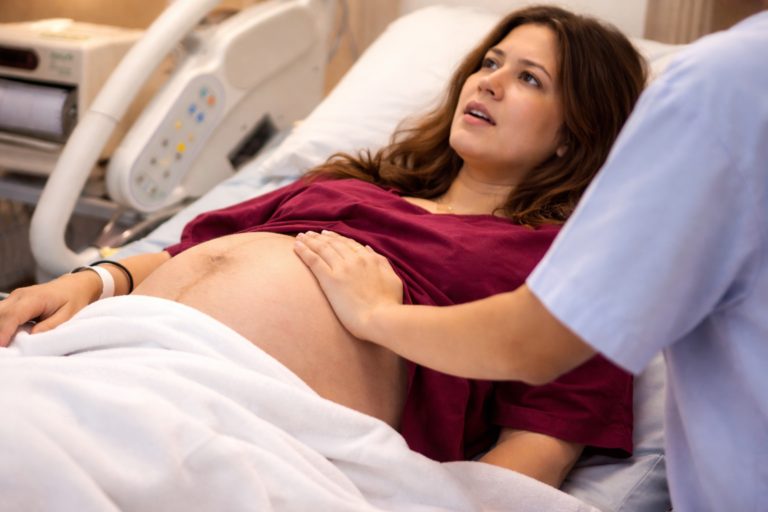
Your belly is now much bigger and more visible at 28 weeks pregnancy. The baby is growing rapidly, so the size of the belly is also increasing. At this time, the skin on the belly may feel a little tight and there may be a slight itch. It is normal to feel slight cramps or pain around the belly button and in the lower abdomen. The baby’s movements are also becoming stronger and more regular, so his kicks or movements can be clearly felt. As the belly grows, some mothers may have difficulty breathing and their sleeping conditions may also be affected.

Proper nutrition, adequate rest and light exercise are very important at this time. Watery foods and vitamin-rich foods help ensure the baby’s health. Regular pregnancy checkups should be continued. If you feel mild pain below the waist or pressure on the back, it is beneficial to sit and walk in the right posture. This change in the size of the belly at 28 weeks is a reflection of the baby’s rapid growth and the mother’s body’s preparation.
28 Weeks Pregnancy Checklist
Tips for 28 Weeks Pregnancy
Pregnancy at 28 weeks is entering its third trimester. During this time, the baby’s growth is rapid and his body is getting stronger. The mother’s body is also going through changes—the belly is getting bigger, pain or discomfort may be felt, and mental tension or anxiety may also arise. Proper care and awareness help make this time comfortable and safe. Below are some important tips in point form and with detailed explanations:
1. Eat nutritious food
Nutritious food is very important for the baby’s rapid growth and mother’s strength during 28 weeks of pregnancy. Eat plenty of protein, calcium, iron and vitamin-rich foods. Milk, eggs, fish-rich foods and vegetables should be eaten. Eating light and regular meals will help in digestion and prevent excess weight gain.
2. Get enough rest
The body feels extra tired during pregnancy. Therefore, it is important to take adequate rest or take short naps during the day. The right sleeping position—sleeping on the left side—keeps blood circulation good and is safe for the baby.
3. Exercise regularly
Light exercises such as walking, stretching exercises or pregnancy yoga keep your body active, strengthen muscles and reduce back pain. Of course, you should consult a doctor before exercising.
4. Monitor baby’s movements
After 28 weeks, the feeling of baby’s kicks or rotation is clear. Monitor baby’s movements several times a day. If there is a sudden decrease in movement or unusual changes, contact your doctor immediately.
5. Maintain mental health
Hormonal changes and physical stress can cause stress or anxiety. Meditation, breathing exercises and doing favorite things help maintain good mental health. Talk to your family or seek counseling if necessary.
6. Have regular medical checkups
Regular ultrasounds and routine checkups are important at 28 weeks. Follow your doctor’s instructions to prevent fetal health, baby’s position and other complications.
Conclusion
At 28 weeks, the pregnancy journey becomes even more exciting as the baby’s growth accelerates and the mother experiences noticeable bodily changes. Monitoring fetal movements, maintaining a balanced diet, and taking care of mental health are key to ensuring both mother and baby’s well-being.
Regular ultrasounds and consultations with your doctor help track development, detect any potential complications, and provide reassurance. By following these guidelines, you can navigate the third trimester comfortably, supporting your baby’s growth while staying healthy and mentally calm. Proper care during this period ensures a positive and safe pregnancy experience.