

At 23 weeks of pregnancy, both mother and baby experience significant growth and changes. The baby’s body becomes stronger, and movements become more noticeable. At this stage, the baby’s length is about 28–30 cm, and weight is around 500–600 grams. The baby’s facial features are forming, and the ears are developing, allowing them to hear outside sounds.
For the mother, this period is generally comfortable, but some physical discomforts like back pain, swelling, or sleep issues may occur. Proper nutrition, hydration, light exercise, and regular rest are essential for maintaining health and ensuring the baby’s proper development.
Baby at 23 Weeks Pregnancy
At 23 weeks pregnancy, the baby’s growth is faster and his body is much stronger than before. At this time, the baby’s length can usually be about 28–30 cm and his weight is around 500–600 grams. Although the baby’s skin is still thin, he is slowly starting to accumulate fat, which will help him stay warm later. His facial structure is more pronounced and eyelids are forming, although his eyes are not yet fully open. The baby’s ears are also starting to work well, so he can hear outside sounds.
This week, the baby’s movements can be felt more and the mother feels regular kicks or turns. The baby’s lungs are slowly developing and he is also starting to practice breathing, although he is still in the water of the womb. The baby’s hands and feet are more active and he may occasionally touch his face with his hands. It is very important for the mother to drink enough water, eat nutritious foods and get enough rest.
23 Weeks Pregnancy Symptoms
A 23 weeks pregnancy is usually considered a comfortable time in the second trimester. During this time, the baby’s growth is rapid and several changes in the mother’s body are also clearly visible. Many mothers feel more energy this week than before, but at the same time, some physical discomforts such as back pain, swollen legs or trouble sleeping may occur. Symptoms during this period gradually increase due to hormonal changes and the baby’s weight gain. Therefore, it is very important to be aware of the changes in your body and live a healthy lifestyle.
1. Feeling the baby’s movements more
At 23 weeks, the baby’s movements are felt much more clearly than before. The mother now feels kicks, turns or movements regularly. Sometimes the baby may feel light “hiccups”, which feel like small tremors inside the abdomen. This is usually normal and is part of the baby’s nervous system and breathing preparation.
2. Back and back pain
The baby’s weight continues to increase during this time, causing the mother’s body balance to change and putting pressure on the waist and back. Standing or sitting for a long time can make the pain worse. Sometimes the pain spreads to the lower back, which makes it difficult for the mother to move. Light exercise, sitting in the right position, and adequate rest can help.
3. Swelling of the feet and ankles
Many mothers may experience slight swelling of the feet or ankles at 23 weeks. This is usually due to excess fluid retention in the body. Standing for a long time, in hot weather, or overwork can increase this swelling. In most cases, this is normal, but if there is sudden swelling or symptoms of dizziness and high blood pressure, you should see a doctor immediately.
4. Heartburn and indigestion
Due to hormonal changes, digestion may decrease slightly this week and heartburn or acidity problems may occur. The size of the baby increases, which puts pressure on the stomach, causing food to rise and cause discomfort. The problem can be aggravated especially by eating spicy or oily foods. Eating small meals and drinking plenty of water helps with this.
5. Frequent urination
At 23 weeks, the uterus grows and puts pressure on the bladder, so the pressure to urinate frequently is felt. Many mothers are forced to go to the toilet repeatedly during sleep at night, which can cause sleep problems. Although this is normal, if there is burning or pain during urination, there is a possibility of a urine infection, then it is important to consult a doctor.
6. Skin changes and stretch marks
At this time, the skin on the abdomen begins to stretch rapidly, resulting in the appearance of stretch marks. Reddish or purple spots can appear on the abdomen, waist, thighs or sides of the chest. In many cases, the skin may also be dry and itchy. This is normal, because the body is expanding to accommodate the growth of the baby.
7. Difficulty breathing
At 23 weeks, the size of the baby can put pressure on the chest and diaphragm, resulting in some mothers having a little difficulty breathing. It is normal to pant quickly, especially when walking or climbing stairs. However, if you suddenly start having severe shortness of breath or palpitations, you should seek medical advice.
8. Sleep problems and discomfort
Many mothers do not sleep properly during this time. The growing belly makes it difficult to find a comfortable position while sleeping. Heartburn, frequent urination, or back pain also disrupt sleep. In some cases, nightmares or restlessness also occur, which is due to hormonal changes.
9. Mood swings and mental changes
Due to hormonal changes at 23 weeks, the mother’s mood can change rapidly. Sometimes it is normal to feel overly emotional, sometimes irritable or upset. In addition, worries about the baby’s future, physical changes, or family stress can also affect the mental state. Adequate rest, good food, and emotional support from the family are very important during this time.
10. Mild Braxton Hicks contractions
Many mothers feel a tightening sensation in their stomach at 23 weeks, which is called Braxton Hicks. This is not true labor pain, but rather preparatory uterine contractions. It is usually short-lived and subsides with rest. However, if the pain is severe or regular contractions begin, you should inform your doctor immediately.
How big is a baby at 23 Weeks Pregnancy?
At 23 weeks pregnancy, the baby’s size is now starting to grow more clearly. Usually, at this time, the baby’s length can be about 28–30 centimeters (from head to toe) and the weight is around 500–600 grams. Sometimes the baby’s size is compared to a large mango or corn cob. The baby’s body gradually accumulates fat, which makes the skin look a little less thin than before.

This week, the baby’s arms and legs become stronger and he starts moving regularly. Although the baby’s lungs are not yet fully ready, the necessary development for breathing inside begins. The baby’s hearing also improves, so he can hear the mother’s heartbeat and some outside sounds. The baby’s rapid growth during this time makes him more active and strong inside the womb.
23 Weeks Pregnancy is how many months?
23 weeks of pregnancy usually falls at the end of the 5th month and the beginning of the 6th month. This is because the months of pregnancy are not always counted exactly for 4 weeks. However, if you calculate it in general terms, 23 weeks is about 5 months and 3 weeks. This means that you are almost entering the 6th month. This time is also called the end of the second trimester of pregnancy.
During this time, the mother’s belly starts to grow quite noticeably and the baby’s movements are felt more regularly. The baby’s body fat starts to accumulate, the skin gradually strengthens and the organs start to function better. In the case of the mother, symptoms such as back pain, swollen legs or mild shortness of breath may occur. Therefore, a healthy diet, drinking enough water and regular doctor checkups are very important.
Pregnancy Time Calculator
23 week ultrasound
The 23 week ultrasound is an important test of pregnancy, where the growth and development of the baby’s organs are seen in detail. At this time, the baby’s head, spine, arms and legs, heartbeat and facial structure can be seen more clearly. In many cases, the doctor measures the baby’s weight and length and checks whether the placenta is in the right position. In addition, scenes such as baby movements, folding of arms and legs and sometimes yawning can be seen.
This ultrasound confirms the amount of amniotic fluid, the condition of the uterus and the normal growth of the baby. In some cases, it may also be possible to know the baby’s gender, but this is not always certain. If the mother experiences abdominal pain, bleeding or reduced movement, then the ultrasound becomes even more urgent. Regular ultrasound plays an important role in the well-being of the mother and baby.
What does a baby do at 23 Weeks Pregnancy?
At 23 weeks pregnancy, the baby’s body develops more rapidly and its movements become more pronounced than before. At this time, the baby’s length can reach about 28–30 centimeters and its weight can reach about 500–600 grams. Although the baby’s skin is still a bit thin, it gradually begins to accumulate fat, which will help keep the body warm later. The baby’s facial structure is more beautiful and clear, and the shape of the eyes, lips and nose is more clearly visible than before.
As the baby’s ears are more developed this week, he can hear outside sounds and can also respond to his mother’s voice. The baby’s lungs also continue to develop and begin to practice breathing, even though he is still in amniotic fluid. The baby may develop a specific routine of sleep and wakefulness, which is why he is sometimes seen moving a lot and sometimes being quiet.
What to expect at 23 Weeks Pregnancy
During the 23 weeks pregnancy, many important changes occur in the body of the mother and the baby. At this time, the length of the baby can be about 28–30 cm and the weight is increasing rapidly. Although the baby’s skin is still a little thin, fat gradually begins to accumulate, which helps to strengthen it. The baby’s movements can be felt more clearly than before, such as kicking or light pushing. The baby’s hearing also improves and can respond to external sounds.
In the case of the mother, the belly becomes larger at this time and pain in the waist or back may be felt. Mild swelling of the legs, heartburn, constipation or some difficulty breathing is normal. Sleep problems and mood swings may also occur. Healthy eating, drinking enough water, light exercise and regular doctor checkups are very important during this time.
Your Pregnant Belly at 23 Weeks Pregnancy
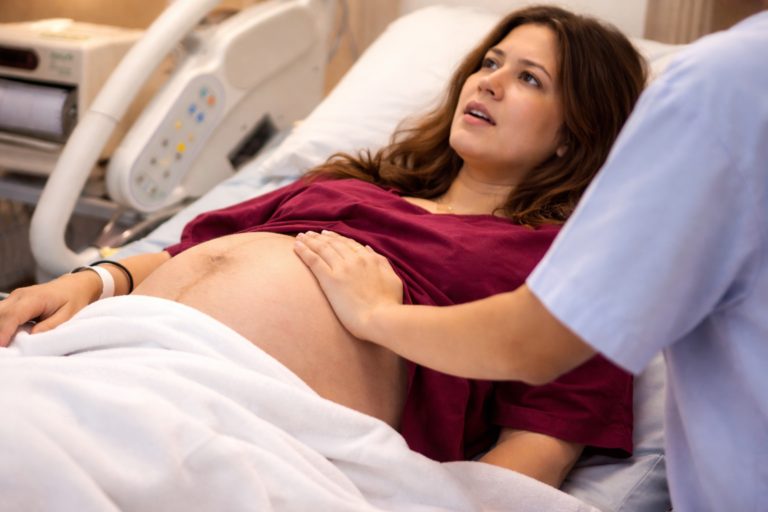
At 23 weeks pregnancy, your belly becomes much rounder and more defined than before. The baby bump is quite visible at this time due to the rapid growth of the uterus and may feel tight when wearing clothes. Many mothers notice that their belly button protrudes slightly or feels tight around the belly button. The skin on the belly may feel slightly itchy or dry, as the skin is stretching rapidly. Stretch marks may also gradually begin to appear.

During this time, the baby’s movements inside the belly are more clearly felt, such as kicks or light pushes. Standing for a long time or walking a lot can cause pressure and a feeling of heaviness in the abdomen. Many people experience ligament pain or mild aches, which is usually normal. Wearing comfortable clothes, drinking enough water, and using moisturizer on the skin can make this time more comfortable.
Should you feel the baby move every day at 23 Weeks Pregnancy?
Many mothers usually start to feel their baby move around the 23 weeks pregnancy. During this time, the baby’s brain and muscles are developing, so the movements of his arms, legs and body become more obvious. Although some mothers clearly feel the baby’s movements every day at this time, for many it is still not regular. Initially, the movements may seem very light or fluttering, so sometimes the mother cannot even notice them.
The experience of movements every day may vary, because the baby’s position, the mother’s physical condition and the position of the placenta affect it. At 23 weeks, the baby’s small movements can be expected every day, but not all mothers may feel them at all regularly. If there are suddenly very few or no movements, it is worth consulting a doctor or nurse. Regular monitoring and awareness give the mother a sense of security and peace.
Checklist at 23 Weeks Pregnancy
- Track your baby’s movements daily
- Schedule routine prenatal check-ups
- Maintain a balanced diet with iron and calcium
- Start gentle prenatal exercises
- Stay hydrated and rest adequately
- Monitor any swelling or unusual symptoms
- Prepare for upcoming glucose screening test
Tips for 23 Weeks Pregnancy
23 weeks pregnancy is the middle of the second trimester. During this period, the baby’s growth is rapid and various parts of his body become stronger and more well-organized. The mother’s body is also going through various changes, such as a growing belly, skin stretching, and sometimes physical discomfort. At this stage, proper care, nutritious food, and regular health check-ups are important for the health of the baby and the mother.Important tips for 23 weeks of pregnancy:-
1. Balanced and nutritious diet:
Adequate nutrition is very important for your body and the baby’s rapidly growing organs during this period. Eat foods rich in protein, vitamins, minerals, and calcium. You can include plenty of fruits, vegetables, milk, eggs, and lean meat or fish. Drinking enough water is especially important for the mother, as it keeps the body hydrated and also benefits the skin.
2. Light exercise and physical activity:
Light exercise such as walking, yoga, or swimming until 24 weeks keeps your body strong and prepares for childbirth. Exercise maintains muscle tone and helps reduce hormonal discomfort. However, before starting any exercise, you must consult a doctor or primary health care provider.
3. Monitoring the baby’s activity:
At 23 weeks, you may gradually start feeling the baby’s legs kick or light movements. This is a good indicator of the baby’s health and well-being. If the baby’s movements seem less or irregular, consult a doctor immediately.
4. Adequate rest and peace of mind:
It is normal for the body to be stressed and tired during pregnancy. Meditation, light music or reading a favorite book can be helpful for adequate sleep, rest and peace of mind. Peace of mind is also helpful in the development of the baby’s brain.
5. Regular health check-ups:
Get ultrasounds, blood tests, and other necessary tests done as per the schedule given by the doctor. This helps in checking the baby’s growth and health, as well as identifying any complications in time.
Conclusion
By 23 weeks, the baby is more active and responsive, practicing movements and breathing inside the womb. Regular monitoring of the baby’s activity helps ensure their well-being. Healthy eating, drinking enough water, and light physical activity support the baby’s growth and strengthen the mother’s body.
Pregnancy at this stage brings both excitement and challenges. Awareness of body changes, managing discomforts, and attending routine check-ups are crucial. Following these tips helps mothers stay healthy, supports the baby’s development, and makes the second trimester a smoother and more enjoyable experience.