

At 19 weeks pregnancy, both mother and baby experience exciting changes. The baby’s growth accelerates, with arms and legs becoming stronger, and movements can often be felt by the mother. Protective layers like vernix and soft hair (lanugo) begin to form, keeping the baby safe and comfortable in the womb.
The mother’s body also undergoes noticeable transformations, including a growing belly, mild stretch marks, and occasional back discomfort. Maintaining a healthy diet, getting adequate rest, and following regular medical advice are crucial at this stage. Awareness of body changes helps mothers enjoy this joyful period safely.
Baby at 19 Weeks Pregnancy
During the 19 weeks pregnancy, the baby’s growth is more rapid and his body structure becomes more pronounced than before. At this time, the baby can be about 15–16 centimeters long and weighs about 220–250 grams. A protective layer (vernix) begins to form on his skin, which protects him from amniotic fluid. The baby’s arms and legs become stronger and he begins to move, which many mothers can feel faintly.
During this time, the baby’s brain, nervous system and senses also develop significantly. He begins to hear sounds and gradually responds to the outside environment. Changes can also be seen in the mother’s body, such as an increase in the size of the abdomen, light spots or stretch marks on the skin. Healthy eating habits, adequate rest and regular doctor’s advice are very important during this time.
19 Weeks Pregnancy Symptoms
19 weeks pregnancy is an important time in the second trimester, when various changes in the body of the mother and the baby are clearly visible. At this time, many mothers begin to feel the baby’s movement for the first time, which is a pleasant experience of pregnancy. Some new symptoms may also appear due to hormonal changes in the body. Therefore, if the mother is aware of the symptoms of this time, she can better prepare herself.
Feeling the baby’s movement (Baby Movement)
At this time, many mothers feel light movements or “fluttering” in the abdomen, which is called quickening. It may feel very subtle at first, like a feeling of gas. Gradually, these movements become more pronounced and create an emotional connection between the mother and the baby.
Growing Belly & Body Changes
At 19 weeks, the size of the abdomen starts to increase quite a bit and the weight also increases gradually. As the uterus grows, there may be a feeling of tightness under the abdomen. Stretch marks may also appear due to the stretching of the skin, which is completely normal.
Back and Back Pain
Back and back pain can occur due to changes in body balance. As the uterus grows, pressure is placed on the spine, which can cause discomfort when standing or sitting for a long time. Light exercise and sitting in the right posture can help with this.
Skin Changes
Many mothers experience skin changes during this time, such as a glow on the face or in some cases increased pigmentation. A dark spot (linea nigra) may appear in the middle of the abdomen. These changes are caused by hormones and are mostly temporary.
Nasal Congestion
Hormonal changes can cause nasal congestion or mild bleeding. This is known as “pregnancy rhinitis” and is usually not harmful, but if it is excessive, a doctor should be consulted.
Increased Appetite
The mother’s appetite may increase significantly during this time, because the baby is growing rapidly. Therefore, it is very important to eat nutritious food. Consuming more fruits, vegetables, protein, and water is good for the health of the mother and baby.
Leg Cramps
You may experience sudden cramps or tightness in your legs while sleeping at night. This may be due to a lack of calcium or magnesium. Regular light stretching and drinking enough water can help reduce this problem.
Each symptom of this period is a normal part of pregnancy. However, if you experience any unusual or excessive discomfort, you should definitely contact your doctor.
How big is baby at 19 Weeks Pregnancy?
During the 19 weeks pregnancy, the baby’s size and weight increase significantly. At this time, the baby is usually about 15–16 centimeters long (about the size of a large tomato) and weighs about 200–240 grams. The baby’s various body parts are more clearly formed and fat begins to accumulate under the skin, which will help regulate body temperature in the future. At this time, the baby’s arms and legs become more active and many mothers can feel light movements.

The baby’s senses also gradually develop at 19 weeks. His ears can now hear some external sounds and his brain is developing rapidly. A protective layer (vernix) begins to form on the baby’s skin, which protects the skin. During this time, the baby’s movements become more coordinated and his body structure becomes more well-organized, which is an important step in healthy development.
What does a baby look like in the womb at 19 Weeks Pregnancy?
At 19 weeks pregnant, the baby looks a lot like a small human. At this time, its length is about 15–16 centimeters and its weight can be about 200–250 grams. The baby’s skin is still thin and transparent, under which blood vessels can be seen. Soft hair called “lanugo” begins to grow on its body, which protects the skin. The structure of the face becomes more clear – the eyes, nose, lips and ears are almost completely formed. The baby’s arms and legs are active and it can move, which many mothers begin to feel light.
At this time, the baby’s brain develops rapidly and the nervous system becomes stronger. It can gradually hear sounds and begins to react to external noises. Small nails form on its fingers and the muscles begin to strengthen. A kind of white coating called “vernix” forms on the baby’s body, which protects the skin. All in all, the baby becomes more alive and active at 19 weeks.
19 Weeks Pregnancy is how many months?
A 19 weeks pregnancy is usually considered to be about 4 months and 3 weeks. Pregnancy is usually divided into 9 months or 40 weeks, so 19 weeks means you are almost halfway through. This is the middle of the second trimester, when the mother’s physical condition stabilizes somewhat and many people have less nausea than before. The size of the abdomen also gradually begins to increase, which is seen as a visible sign of pregnancy.
During this stage, the baby’s growth is rapid and its organs are becoming more well-formed. Many mothers can feel light movements or “fluttering” during this time, which is a very joyful moment. The mother’s body also experiences some changes, such as mild pain, skin changes or increased appetite. Proper nutrition, adequate rest and regular medical advice are very important for the well-being of the mother and baby during this time.
Pregnancy Time Calculator
19 week ultrasound
The 19 week ultrasound is an important stage of pregnancy, where the development of the baby’s body structure and organs is monitored in detail. During this time, ultrasound can be used to see whether the baby’s brain, heart, kidneys, spine, and various organs are developing properly. In addition, the baby’s movements, position, and heartbeat can also be clearly understood, which is a pleasant experience for the mother.
This 19-week scan is also sometimes called an “anomaly scan” because it tries to identify any possible birth defects. Doctors also check the position of the placenta, the amount of amniotic fluid, and whether the baby’s growth is normal. This ultrasound plays an important role in ensuring the well-being of the mother and baby.
Your Pregnant Belly at 19 Weeks Pregnancy
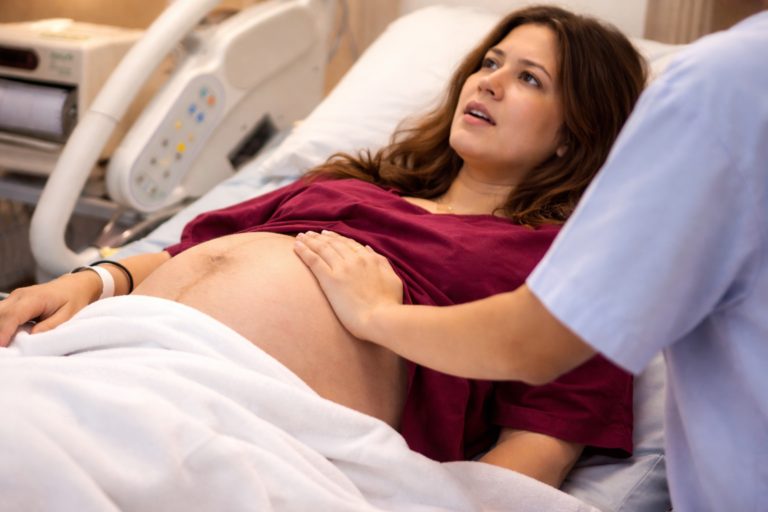
During the 19 weeks pregnancy, the mother’s belly gradually becomes more pronounced and is now quite visible. During this period, the uterus has grown and is now in a position close to the navel, due to which the shape of the belly looks round and firm. Many mothers feel excited about their baby bump for the first time at this time. Mild itching or stretch marks may also appear due to the stretching of the skin, which is a normal change.

There are also some changes in the body’s balance during this period, as the weight of the belly is gradually increasing. As a result, there may be a slight change in the posture of standing or walking. Wearing comfortable clothes and using supportive maternity clothes gives relief to the mother. Light exercise and walking with correct posture can reduce the pressure on the back and make it easier to adapt to these changes.
Can you feel baby move at 19 weeks pregnant?
Many mothers begin to feel their baby move for the first time at 19 weeks pregnancy. During this time, the baby’s muscles and nervous system are more developed, so he can make small movements. At first, these movements feel very light, like a light fluttering in the stomach, bubbles rising, or a butterfly flapping its wings. Those who are pregnant for the first time may notice them a little later, but those who have experienced them before can easily recognize this feeling.
However, it is not mandatory for all mothers to feel movements at 19 weeks. For some, it may start at 20 weeks or later, which is completely normal. The position of the baby, the mother’s body structure, and the position of the placenta also affect this feeling. So if you still don’t feel the baby’s movement clearly, there is nothing to worry about. With regular checkups and following the doctor’s advice, both the mother and the baby will be healthy.
Tips for 19 Weeks Pregnancy
The 19th week of pregnancy is an important time in the second trimester, when rapid changes occur in the body of the mother and the baby. During this time, many mothers can feel the baby’s movements for the first time, which is a special joyous moment. The baby’s organs are more well-formed and various physical and mental changes are also seen in the mother’s body. Therefore, proper care, nutritious food and regular health check-ups are very important during this time.
Maintain a Healthy Diet
Nutritious food is very important for the baby’s rapid growth during this time. Include foods rich in protein, iron, calcium and vitamins in your daily diet. Such as eggs, milk, green vegetables, fruits, etc. It is important to drink enough water, which keeps the body hydrated and helps reduce constipation.
Do light exercise
Regular light exercise such as walking or pregnancy yoga helps keep the body healthy. It increases blood circulation, reduces pain and is helpful in reducing stress. However, you should consult a doctor before starting any exercise.
Notice body changes
At 19 weeks, the size of the abdomen increases and stretch marks may appear on the skin. Mild pain or discomfort may be felt, which is normal. However, if there is excessive pain or anything unusual, it is important to contact the doctor immediately.
Get adequate rest
It is normal to feel tired during this time. Therefore, getting adequate sleep and rest every day is very important. The habit of sleeping on the left side helps maintain good blood circulation and is beneficial for the baby.
Get regular checkups
Regular doctor visits ensure the well-being of the mother and the baby. If necessary, ultrasound or other tests may be done, which gives an accurate idea of the growth and position of the baby.
Take care of mental health
Mental well-being is very important during pregnancy. Positive thinking, family support and light entertainment such as reading books or listening to music help reduce stress.
Proper care and awareness at this time make pregnancy safer and more enjoyable. Every little thing should be given importance for the well-being of the mother and the baby.
19 Weeks Pregnancy Checklist
Conclusion
The 19th week marks a significant milestone in pregnancy, where the baby’s senses and movements become more coordinated, and the mother’s body adapts to support rapid growth. Feeling the baby’s fluttering can create a special emotional connection, making this stage memorable.
Staying attentive to diet, exercise, mental well-being, and medical checkups ensures both mother and baby remain healthy. Each small change is part of the natural process, and understanding these transformations helps mothers embrace pregnancy confidently. With proper care, the second trimester can be a smooth, safe, and enjoyable experience.