

At 16 weeks pregnancy, many exciting changes happen for both the mother and baby. The baby grows rapidly, developing muscles, bones, and fine facial features. Mothers may notice a slightly growing belly, breast changes, or even the first tiny flutter of baby movements. Appetite may increase, skin might glow, and energy levels generally improve compared to the first trimester. This stage marks the beginning of a more comfortable period in pregnancy, making it a crucial time for proper nutrition, rest, and gentle exercise. Understanding these changes helps mothers adapt smoothly and ensures both their well-being and the baby’s healthy development.
Baby at 16 Weeks Pregnancy
During the 16 weeks pregnancy, the baby’s growth begins to accelerate more rapidly than before. At this time, the baby’s length is usually about 11–12 centimeters and its weight can be about 90–100 grams. The baby’s arms and legs become stronger and he slowly starts to move. Sometimes the mother cannot feel the movement clearly yet, but the baby is quite active inside the womb. The baby’s eyes, nose, lips and ears are more clearly formed and the shape of his face becomes more human-like.
During this time, the baby’s bones and muscles gradually become stronger and fine hair or lanugo may start to grow on the body, which protects the skin. The baby’s heartbeat is now stronger and can be heard clearly on ultrasound. At the same time, the nervous system also develops rapidly, as a result of which the baby’s small movements and reactions increase. This 16-week stage is a very important time for the healthy growth and development of the baby.
16 Weeks Pregnancy Symptoms
Most mothers begin to experience a relatively comfortable period of the second trimester at the 16 weeks pregnancy. During this time, many people experience nausea or excessive fatigue, and the body begins to adapt to the new changes. The baby is growing rapidly and the mother’s body also experiences various physical and hormonal changes. Therefore, it is normal to experience some common symptoms or signs at 16 weeks, which are part of the normal development of the mother and baby.
Slowly growing belly
During the 16th week of pregnancy, the mother’s belly gradually starts to visibly grow. This is because at this time the uterus becomes much larger than before and the baby’s growth is rapid. Many mothers clearly notice changes in their body for the first time during this time. The skin on the abdomen may feel tight and mild discomfort may also be felt, which is completely normal.
Feeling light baby movements
Some mothers may feel very light movements or fluttering around 16 weeks. It may feel like small bubbles or butterfly wings fluttering inside the abdomen. Although not all mothers feel it at this time, the baby’s movements are likely to start gradually.
Increased appetite
At 16 weeks, many mothers may feel more hungry than before. This is because the body now needs more energy and nutrients for the baby’s growth. Therefore, it is important to consume healthy foods such as fruits, vegetables, protein and enough water at this time.
Breast changes
At this time, the breasts may feel larger and heavier. The veins may be slightly more visible due to increased blood circulation in the breasts. In many cases, the area around the breasts or areola becomes slightly darker in color. This is the body’s natural preparation for breastfeeding the baby in the future.
Skin changes
At 16 weeks, some mothers may experience changes in their skin due to hormones. There may be a slight glow on the face, which is sometimes called the “pregnancy glow”. Some may also experience light spots or pigmentation on the face or body.
Back or waist pain
Mild back or waist pain may be felt at 16 weeks due to changes in body weight and posture. As the uterus grows, the body’s balance changes, which puts pressure on the spine. Regular light exercise and correct posture can help reduce this problem.
How big is a baby at 16 Weeks Pregnancy?
At 16 weeks pregnancy, the baby’s growth begins to accelerate more rapidly than before. At this time, the baby’s length is usually about 11–12 centimeters and its weight can be about 90–100 grams. In terms of size, the baby is often compared to an avocado. The baby’s arms and legs become stronger and he begins to move slowly. Although most mothers cannot clearly feel the baby’s movements at this time, the baby is still actively moving inside the uterus.

During this time, the baby’s body parts become more well-formed. Facial features such as the eyes, nose, lips and ears are more clearly formed. The baby’s bones begin to harden and the muscles also gradually develop. Very fine hair (lanugo) may begin to grow on the skin, which protects the baby’s body. Overall, at 16 weeks, the baby’s body structure becomes more human-like and its growth continues to progress a little every day.
16 Weeks Pregnancy is how many months?
16 weeks pregnancy is usually considered to be about 4 months. Pregnancy is usually divided into 9 months or about 40 weeks, so 16 weeks is the middle of the fourth month. At this time, most mothers are in the second trimester, which is usually known as the most comfortable period of pregnancy. The nausea, fatigue or weakness that is more common in the first three months decreases somewhat in many cases during this time. As a result, mothers can gradually feel more comfortable doing normal daily activities.
During this time, the baby’s growth begins to accelerate and various parts of his body are formed more clearly. The baby’s hands and feet, facial structure and movements become more active than before, although many mothers cannot yet clearly feel those movements. At the same time, some changes are also seen in the mother’s body, such as the stomach gradually growing, changes in the skin or increased appetite. Therefore, 16 weeks of pregnancy is considered an important stage in the development of the mother and the baby, and proper nutrition, regular check-ups and a healthy lifestyle are very important during this time.
Pregnancy Time Calculator
16 week ultrasound
Ultrasound at 16 weeks pregnancy is an important step in the health of the mother and baby. During this time, the baby’s growth, heartbeat, and the structure of various body parts can be monitored through ultrasound. Usually, the structure of the baby’s arms and legs, head, spine, and face can be seen more clearly at this time. In many cases, the doctor can also observe the baby’s movements on ultrasound. The position of the placenta and the amount of amniotic fluid are also checked, which is very important for a healthy pregnancy.
The 16 week ultrasound also provides some important information for the mother. Through this, it can be understood whether the baby is developing normally inside the womb and the doctor can identify any potential problems in advance. In some cases, it may also be possible to get an idea of the baby’s gender at this time, although this is not always clearly visible. Regular checkups and ultrasounds as recommended by the doctor help a lot to ensure the well-being of the mother and baby.
Gestational Diabetes vs Preeclampsia
Pregnancy can bring several health conditions that require careful monitoring. Two common complications are Gestational Diabetes and Preeclampsia. Although both occur during pregnancy and can affect the health of the mother and baby, they are different conditions with different causes, symptoms, and treatments. Understanding the differences helps pregnant mothers recognize warning signs early and seek proper medical care.
| Feature | Gestational Diabetes | Preeclampsia |
| Definition | A type of diabetes that develops during pregnancy and causes high blood sugar levels. | A pregnancy complication characterized by high blood pressure and signs of organ damage. |
| Main Cause | Hormonal changes during pregnancy that affect insulin function. | Problems with blood vessel development in the placenta. |
| Usual Time of Diagnosis | Usually diagnosed between 24–28 weeks of pregnancy. | Often develops after 20 weeks of pregnancy. |
| Key Symptoms | Increased thirst, frequent urination, fatigue (sometimes no clear symptoms). | High blood pressure, swelling of hands/face, headaches, vision changes. |
| Risk to Baby | Baby may grow larger than normal (macrosomia) and may have blood sugar problems after birth. | Can reduce blood flow to the baby and cause growth problems or early delivery. |
| Treatment | Healthy diet, blood sugar monitoring, exercise, sometimes insulin. | Blood pressure monitoring, medication, and sometimes early delivery if severe. |
| Prevention | Healthy diet, maintaining a healthy weight, regular prenatal checkups. | Regular prenatal care and monitoring blood pressure during pregnancy. |
What should you feel at 16 Weeks Pregnancy?
Many mothers gradually begin to feel better at 16 weeks pregnancy. The nausea and excessive fatigue of the first trimester subside for many. During this time, the stomach begins to round a little and a slight pulling or pressure may be felt in the lower abdomen due to the enlarged uterus. Changes in the breasts, increased appetite and a slight increase in energy are common. Some mothers experience a slight glow on the skin, which is sometimes called the “pregnancy glow”. Due to the increased blood flow in the body, there may also be a feeling of dizziness or heat, which is usually temporary.
At this time, many mothers may feel very light movements or fluttering of the baby for the first time, although this does not happen at the same time in everyone. Due to the rapid growth of the baby, there may be a feeling of light bubbles or movements inside the abdomen from time to time. At the same time, mild pain in the waist or back and tension in the legs may occur. Adequate rest, a balanced diet and light exercise help keep the mother’s body healthy and help her adapt to the changes of this time easily.
Your Pregnant Belly at 16 Weeks Pregnancy
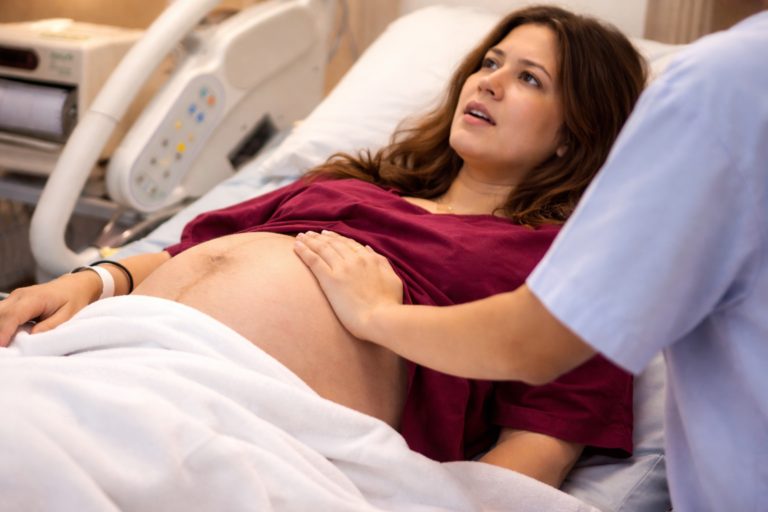
Many mothers’ bellies gradually become visible at 16 weeks pregnancy. At this time, the uterus begins to grow and it begins to rise slightly above the lower abdomen. Therefore, the belly may appear a little rounder or swollen than before. If you are pregnant for the first time, the belly may change a little slower, but if you are pregnant for the second or third time, the belly may grow faster. Many mothers feel the need to wear more comfortable clothes than before.

As the baby grows rapidly at 16 weeks, the mother’s belly also gradually grows. Many mothers may feel a slight pulling or tightening sensation in the abdomen during this time, which is due to the stretching of the uterus and surrounding muscles. Sometimes the skin on the abdomen may be slightly itchy or stretch marks may begin. Therefore, it is beneficial to use moisturizer to keep the skin moist. Eating a healthy diet and drinking enough water are very important for the well-being of the mother and baby.
Should you have a baby bump at 16 Weeks Pregnancy?
Many mothers start to notice small changes in their bodies at 16 weeks pregnancy. During this time, the body gradually adjusts to the growth of the baby, so for some mothers, a small baby bump may be clearly visible, while for many it is not yet very noticeable. Usually, mothers’ bumps grow slowly in the first pregnancy, becoming visible a little later. In the second or third pregnancy, the bump may appear a little earlier due to previous experience. Also, factors such as body type, mother’s weight, muscle tone, etc. affect the clarity of the bump.
There is nothing to be afraid of even if the bump is small at this time. The baby is still growing and will gradually emerge naturally. Mothers should do light exercise, eat a balanced diet and get enough rest, so that the body and the baby develop properly. Not seeing the bump at 16 weeks is also normal and does not indicate any health problem.
Tips for 16 Weeks Pregnancy
At 16 weeks pregnancy, you have entered the second trimester of pregnancy. During this time, many changes are happening between your body and the baby. The baby’s organs are becoming more visible, muscles and bones are getting stronger, and you may start feeling its small movements. This time is very important for the mother and the baby, because if taken care of properly, the pregnancy becomes more comfortable and healthy. Below are some important tips that will help you spend this time well.
1. Eat a balanced and nutritious diet
Your baby is growing rapidly during this time, so eating a balanced diet is very important. You should eat foods rich in protein, calcium, iron and vitamins regularly. Milk, eggs, fish, vegetables, fruits and nuts should be included in your diet. Drinking enough water keeps the body hydrated and reduces stomach problems.
2. Regular light exercise
You can do light exercises such as walking, yoga or stretching exercises during pregnancy. It keeps blood circulation good, increases muscle strength, and helps reduce stress. However, consult a doctor before doing any exercise.
3. Ensure natural sleep and rest
Sufficient sleep is very important during pregnancy. A good night’s sleep and light rest during the day energize your body and reduce stress. Sleeping on your left side is beneficial for bones and blood circulation.
4. Monitoring baby’s movements
Many mothers start to feel the baby’s movements slightly at 16 weeks. This is completely normal. If the movements are not clear at first, there is nothing to worry about; they are usually felt clearly at 18–20 weeks.
5. Natural and safe health practices
Take vitamins and supplements as prescribed by the doctor. Avoid unnecessary medications. Attend regular checkups and necessary ultrasounds.
6. Maintain mental health
Mood swings are normal during pregnancy due to hormonal changes. Spending time with family and friends, doing light hobbies, and using meditation or relaxation techniques help maintain mental peace.
16 Weeks Pregnancy Checklist
- Schedule a prenatal appointment
- Take recommended vitamins (Folic Acid, Iron, Calcium)
- Track baby movements and growth
- Plan a healthy balanced diet
- Stay hydrated and exercise moderately
- Prepare for upcoming screenings (ultrasound)
- Research childbirth classes
- Manage stress and get adequate sleep
Conclusion
The 16-week stage is a milestone in pregnancy where growth and development accelerate. Mothers may experience visible body changes, subtle baby movements, and improved energy, while the baby’s organs and body structure continue to develop rapidly.
Paying attention to a balanced diet, hydration, light exercise, and proper rest is essential. Regular check-ups and ultrasounds help monitor the baby’s health and provide peace of mind. By understanding the common symptoms and following healthy practices, mothers can navigate this period comfortably and safely. With care and awareness, 16 weeks pregnancy can be a joyful and empowering experience.