

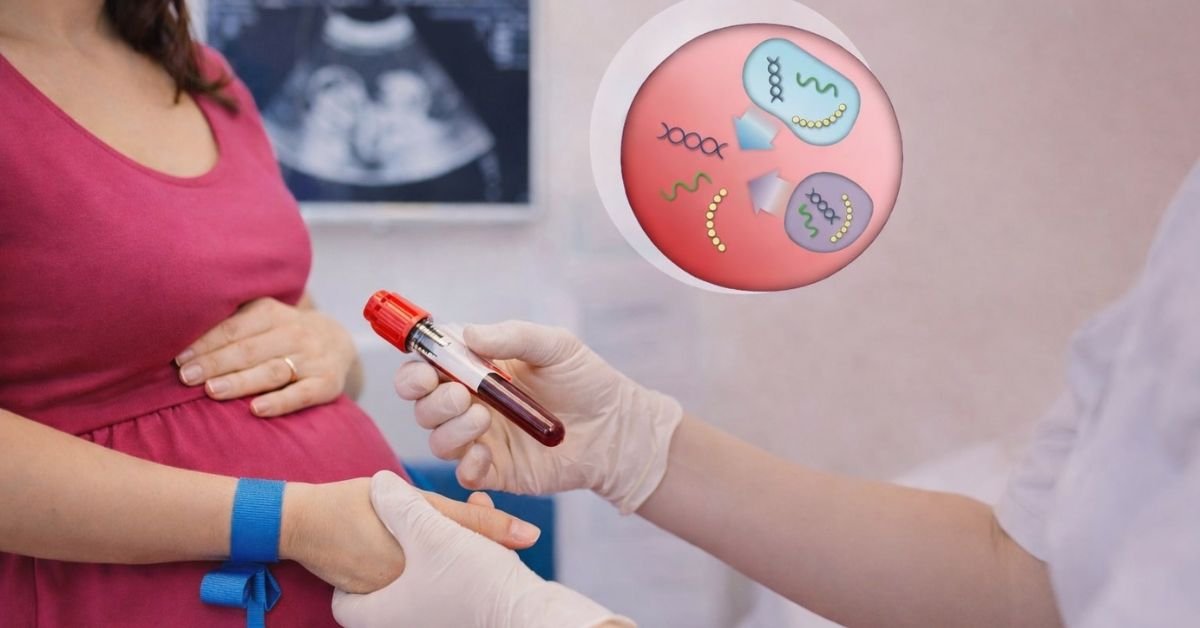

During pregnancy, every parent naturally worries about the health of their unborn child. As a result of the advancement of modern medicine, much important information is now known before birth. A Genetic Test on a fetus is a test that analyzes the DNA of the future baby to determine whether it has any genetic problems, chromosomal defects, or a risk of hereditary diseases. The importance of this test is increasing day by day because while many genetic issues are difficult to treat after birth, knowing them in advance makes it easier to plan for emotional preparation, medical support, and, if necessary, specialized delivery.
Among the most talked about and reliable tests currently is the Genetic Test on a Fetus, whose full name is Non-Invasive Prenatal Testing. It analyzes the DNA of the future baby through the mother’s blood, and helps determine whether the baby is likely to have problems such as Down syndrome, Trisomy 18, and Trisomy 13. Since this test is non-invasive and poses no harm to the mother’s body, it is very safe and popular.
In addition, advanced technology Natera genetic testing provides more detailed genetic analysis. This type of test not only determines risk, but also determines the baby’s gender, although in some countries, gender blood tests are subject to legal restrictions. Still, this modern technology helps parents have peace of mind, make informed decisions, and prepare for the future.
🧫 What is a Genetic Test on a Fetus, and how does it work?
A genetic test on a fetus is basically a DNA test where the baby’s genetic material in the mother’s blood is analyzed. This test uses a small portion of the baby’s DNA, known as the fetal fraction, to identify genetic issues. Fetal fraction plays an important role in determining the accuracy of the test. Usually, a certain amount of fetal fraction is required to obtain accurate results.
📌 Important points
- Genetic testing on the fetus can usually be done after 10 weeks.
- This is part of noninvasive prenatal testing (NIPT), where the mother’s blood is used as the sample.
- The test identifies chromosomal abnormalities in the baby, such as Down Syndrome, Trisomy 13, and Trisomy 18.
- The test is considered reliable if the fetal fraction is generally greater than 4%.
- Natera genetic testing is a type of advanced genetic test for fetuses, which offers up to 99% accuracy.
- This test also provides the baby’s gender blood test results (optional).
- Genetic testing on a fetus is not a risky procedure because it is noninvasive.
- It is not a substitute for ultrasound or amniocentesis, but rather a complement to them.
- The test is usually done in a laboratory, such as Natera or Harmony.
- Results on typically available within 7–10 days
Genetic testing on the fetus is considered an important test in modern prenatal healthcare. It is completely safe because the mother’s blood is used as the sample, which can be reassuring for the future mother. This test helps identify chromosomal problems in the baby early, allowing families and doctors to make necessary decisions. This test is especially valuable for individuals in high-risk pregnancies.
However, it is important to remember that genetic testing on the fetus is not a substitute for other tests, but rather a helpful method for confirming risk. A qualified health professional should always be consulted to understand the proper result. Doing this test on time makes future planning easier, more informed, and safer.
🧪 Role of NIPT Test and Noninvasive Prenatal Testing
NIPT or Non-Invasive Prenatal Testing is currently considered the safest and most accurate genetic screening method during pregnancy. In this test, a blood sample from the mother is collected, and the baby’s DNA or cell-free DNA in that blood is analyzed. This can help identify chromosomal problems in the baby, such as Down Syndrome (Trisomy 21), Edwards Syndrome (Trisomy 18), and Patau Syndrome (Trisomy 13). Since this test poses no risk to the mother or baby and yields highly accurate results, many doctors recommend doing it early in pregnancy.
📌 Basic information
- The NIPT test is an advanced form of genetic testing on the fetus.
- This can be done without the need for any needles or surgery.
- The primary goal of the test is to detect Down Syndrome, Edwards Syndrome, and other similar conditions.
- The accuracy of non-invasive prenatal testing is approximately 99%.
- It also makes it possible to determine the sex of the baby (which is limited in many countries).
- Natera, a genetic testing company, conducts the most reliable NIPT test worldwide.
- It is crucial to collect the baby’s fetal fraction correctly during the test.
- Fetal fraction, meaning, is understood to mean the percentage of the baby’s DNA in the mother’s blood.
- If the fetal fraction is low, retesting may be necessary.
- This test does not harm the mother or baby.
The NIPT Test is currently a state-of-the-art and reliable genetic screening method during pregnancy. It is completely safe and poses no risk to the mother or baby. Analyzing a mother’s blood sample can accurately identify the risk of Down Syndrome or other chromosomal problems, which helps in making future decisions. In particular, fetal fraction levels play a big role here. Many doctors recommend this test early in pregnancy because the results are accurate and fast. Overall, NIPT plays an important role in modern maternity care.
🧬 Fetal Fraction Meaning: Why is it so important?
Fetal fraction refers to the amount of fetal DNA present in the mother’s blood. This fetal fraction is usually measured during NIPT or Noninvasive Prenatal Testing. A fetal fraction of at least 4%–10% generally required to obtain accurate test results. This is because if the percentage is below this, the amount of the child’s DNA is very low at the time of testing, which increases the likelihood of the report being incorrect. Therefore, the report includes the fetal fraction so that you and your doctor can understand how reliable the results are.
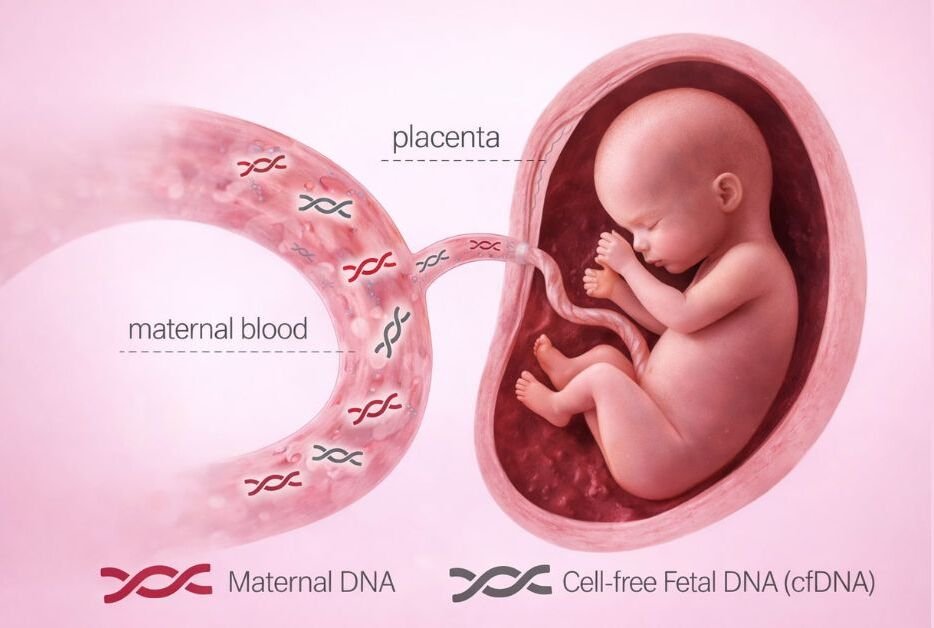
Fetal fraction is important because it enhances the screening process for chromosomal problems like Down syndrome, Trisomy 18, and Trisomy 13, making it accurate. The mother’s weight, the duration of pregnancy, and certain health factors can affect the fetal fraction, potentially resulting in a lower value. So the better the fetal fraction value, the more accurate the report and the easier it is to make future decisions.
📌 Main point
- Genetic test results on the fetus may be unclear if there is a low fetal fraction.
- Understanding the meaning of fetal fraction is crucial because it directly impacts the accuracy of the test.
- Maternal age, weight, and gestational week affect this ratio.
- The fetal fraction is usually mentioned as a percentage in the NIPT test report.
- This is discussed separately in the Natera genetic testing results.
- A higher fetal fraction means that the baby’s DNA can be clearly identified.
- If this rate is low, the doctor may recommend noninvasive prenatal testing again.
- It is best to test after 10–12 weeks to ensure the correct fetal fraction.
- There is a relationship between the gender blood test and the fetal fraction—the higher the ratio, the more accurate the gender determination.
- The accuracy of genetic testing on the fetus is directly dependent on the fetal fraction.
Understanding fetal fraction is very important because it indicates how reliable your NIPT report is. When this ratio is high, the baby’s DNA can be clearly identified, and screening for Down syndrome or other genetic problems is more accurate. However, if the fetal fraction is low, the report may be uncertain or inconclusive and the doctor may ask for a repeat test. Therefore, it is important to test at the right time and keep the fetal fraction value in the report.
🧬 Why is Natera genetic testing so popular?
Currently known as one of the most popular and accurate fetal genetic tests on a Fetus service worldwide, this test is mainly performed through Non-Invasive Prenatal Testing (NIPT) technology, where the baby’s DNA in the mother’s blood is analyzed. Its biggest advantage is that it is completely safe, as it does not require any needle procedures or risky tests. This test can usually be done after 10 weeks of pregnancy and can detect the risk of various chromosomal conditions, including Down Syndrome, Edwards Syndrome, and Patau Syndrome.
Another special aspect of this is its high accuracy. Many future parents take this test so that they can know in advance about the genetic health of their child and, if necessary, plan further with the doctor. Natera offers more advanced testing options, such as the gender reveal option, microdeletion screening, and carrier screening. Overall, Natera genetic testing plays a major role in mental preparation, awareness, and health safety for future families.
📌 Why Natera is the best
- Natera’s genetic testing accuracy is up to 99%.
- It uses advanced NIPT test technology.
- The results are accurate even if the test has a very small fetal fraction.
- Natera’s lab is US FDA-approved.
- It is capable of detecting multiple chromosome problems.
- As a noninvasive prenatal test, it is completely safe.
- Gender blood test results can be added to the report.
- Natera genetic testing enables doctors to make decisions quickly.
- This provides initial reassurance for parents.
- This is one of the most reliable methods of genetic testing on fetuses.
Natera genetic testing is popular worldwide due to its safety, high accuracy, and modern technology. It is completely safe for mother and baby as it is non-invasive and can be performed even in the early stages of pregnancy. Able to detect various chromosomal risks, including Down, Edwards, and Patau Syndrome. Provides more advanced features such as gender reveal, microdeletion, and carrier screening. Doctors can make decisions quickly, and parents can be mentally prepared. Overall, Natera ensures awareness and security about the child’s genetic health.
🧬 Gender Blood Test: Modern way to determine baby’s gender
Although gender blood testing is restricted in many countries for legal reasons, it is essentially a part of genetic testing on the fetus. Although gender blood testing is restricted in many countries for legal reasons, it is generally considered a safe and non-invasive procedure. This test is usually done as part of verifying the genetic or chromosomal information of the unborn baby. The gender of the baby is determined by analyzing the baby’s DNA from a sample of the mother’s blood, which is often possible in the first or second trimester of pregnancy. This method is safe and has lower risks than traditional invasive tests.
Although it is a simple and accurate method, in many countries it is legally restricted to use this test solely for gender detection. Therefore, parents should be aware of the purpose of this test and the laws of the country. the safest way is to consult a doctor or genetic counselor as needed. This helps the family prepare mentally as soon as they receive information about the health of the unborn baby.
📌 The main point
- The gender blood test analyzes the baby’s X and Y chromosomes.
- This is done through the NIPT test.
- Results can be known after 10 weeks.
- The baby’s gender is also available in the Natera genetic testing report (if permitted).
- This is part of noninvasive prenatal testing.
- This information is found in the mother’s blood.
- Fetal fraction meaning is important here because a low ratio makes it difficult to determine gender.
- Gender determination through genetic testing on the fetus is 99% accurate.
- This information is also helpful in reviewing the child’s health.
- This is a completely safe and painless process.
A Gender Blood Test is essentially a safe, non-invasive method that is part of verifying the baby’s genetic information. Although it is about 99% accurate, in many countries its use for gender-only purposes is legally restricted. Therefore, parents should be aware of the purpose of the test and the laws in their country. The baby’s gender is determined by analyzing the baby’s DNA from the mother’s blood, which is helpful for the baby’s health and the family’s mental preparation.
🧬Difference Between Gender Blood Test and Non-Invasive Prenatal Testing
| Feature | Gender Blood Test | Non-Invasive Prenatal Testing (NIPT) |
| Main Purpose | To determine the baby’s gender | To screen for genetic and chromosomal abnormalities |
| What It Detects | Baby’s sex (male or female) | Conditions like Down syndrome (Trisomy 21), Trisomy 18, Trisomy 13, and sometimes gender |
| When It Can Be Done | From 7–9 weeks of pregnancy | From 9–10 weeks of pregnancy |
| Sample Type | Mother’s blood sample | Mother’s blood sample |
| Accuracy | High for gender only | Very high (over 99%) for chromosomal conditions |
| Medical Importance | Mainly for curiosity or family planning | Important medical screening for fetal health |
| Risk to Baby | No risk (non-invasive) | No risk (non-invasive) |
| Cost | Usually lower | Usually higher |
| Doctor Recommendation | Not always medically required | Often recommended for high-risk pregnancies |
| Legal/Ethical Restrictions | Gender disclosure may be restricted in some countries | Primarily used for medical screening |
🌿 Why Expectant Parents Should Do This Genetic Test
Genetic testing of the unborn baby is an important means of psychological reassurance for expectant parents. There is a possibility of various genetic or chromosomal problems during pregnancy, which are often detected after birth. This test can identify such issues early, so parents can be mentally prepared and take the necessary medical measures to ensure the baby’s good health. This is especially important when there is a history of previous genetic problems or illnesses in the family.
Such tests provide early indications of potential complications in the baby, such as Down syndrome, Tay-Sachs disease, or other genetic problems. This not only makes parents aware of their child’s health but also allows them to plan for the future. Through stress reduction, proper treatment, and preparation, it provides a sense of security during pregnancy.
📌 Benefits
- Risks can be identified before the baby is born.
- It is possible to receive timely treatment or preparation.
- The NIPT test or noninvasive prenatal testing, does not pose any risks.
- Fetal fraction analysis helps determine the well-being of the baby.
- Natera genetic testing uses the most modern technology.
- A gender blood test is helpful for those interested in determining the gender of the baby.
- It detects Down Syndrome, Trisomy, Turner Syndrome, etc.
- Parents feel psychologically secure when genetic testing is done on the fetus.
- Planning for the child’s future health becomes easier.
- This is an essential part of today’s smart pregnancy care.
Genetic testing of the fetus is a source of emotional security and reassurance for parents. By identifying potential complications before birth, they can prepare and take the right steps for the well-being of their child. NIPT and other modern tests are risk-free, reducing stress and helping with future planning. This is not only health awareness, but also makes the family safe and confident as an essential part of smart pregnancy care.
In today’s era, genetic testing of the baby in the womb is considered a great blessing for every expectant parent. This test not only reduces potential health risks to the baby but also provides peace of mind and confidence to the family. Sometimes the baby may experience some complications after birth, but this test during pregnancy can identify the risk early. As a result, parents can make the necessary preparations and take timely medical measures for the child’s good health.
Although terms like NIPT (Non-Invasive Prenatal Testing), fetal fraction, Natera genetic testing, and gender blood test may seem complicated at first, together they play a special role in modern maternal and child health. These tests are very safe and highly relevant, as they pose no threat to the mother or baby. These tests can easily identify chromosomal or genetic disorders, such as Down syndrome or other pregnancy problems.
Getting timely genetic testing is no longer a luxury; it is a necessary step to ensure a healthy pregnancy and safe motherhood. Every parent wants their child to be born healthy, so it is very important to minimize the risks and prepare mentally for this test. These achievements in modern medical science and technology are assuring every family of a safe and healthy child.





[…] accuracy of gender reveal tests is related to time. Because if the test is not done at the right time, there is a high chance of […]