



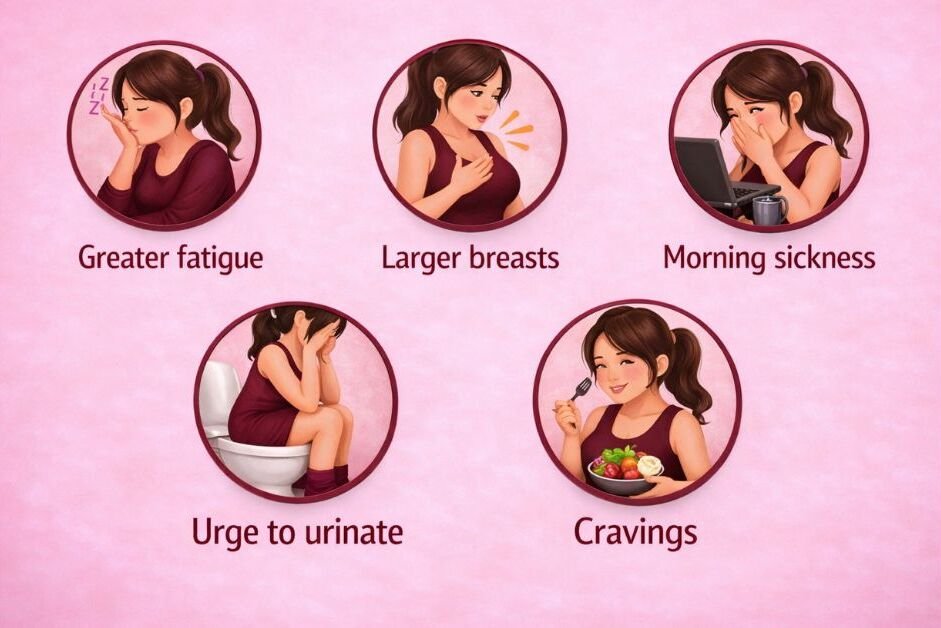
The 5 week pregnancy is a crucial stage, when subtle and rapid changes begin to occur inside the mother’s body. This is the first time that many mothers clearly understand that they are pregnant. During the 5 week pregnancy, the body’s hormone levels increase rapidly, which can cause symptoms such as fatigue, breast tenderness, mild nausea and frequent urination. Sometimes light menstruation or spotting is also observed, which is a normal indication of early pregnancy. Changes in mental state also occur, such as feelings of emotionality, anxiety or restlessness, which often increase naturally.
During this period, the fetus is in the embryonic stage and the formation of important organs and the nervous system begins. Although the baby is very small, proper nutrition, adequate rest and prenatal vitamins are very important during this period. In addition, ultrasound can be used to confirm pregnancy and monitor the baby’s early health. Awareness at this stage ensures the well-being of both the mother and the fetus.
- What are the symptoms of 5 weeks pregnancy
- Why is an ultrasound needed at 5 weeks pregnant?
- Important tips for the first 5 weeks of the first trimester
- 5 Week Pregnancy Checklist
- What is the baby's heartbeat at 5 weeks pregnant?
- How big is the baby at 5 weeks?
- What to avoid at 5 weeks pregnant
- Early Miscarriage Symptoms at 5 Weeks Pregnant
- 5 Weeks Pregnant Nutrition
- Benefits of Prenatal Vitamins in Early Pregnancy
- 5 Weeks Pregnancy Tips Chart
- Physical changes in a 5 week pregnant woman
- Conclusion
- FAQ
What are the symptoms of 5 weeks pregnancy
A 5 week pregnancy means that your body is now undergoing rapid hormonal changes. Many people can definitely understand that they are pregnant for the first time at this time. Below are the common symptoms in simple terms:
1. Physical changes in the body
- Light menstruation or spotting may occur (Implantation bleeding).
- Breast tenderness or swelling may be felt.
- Increased fatigue or fatigue, easy fatigue may be felt.
2. Hormonal changes
- Subtle changes in the smell or color of urine may occur.
- Increased possibility of vomiting or nausea (Morning sickness).
- Unusual changes in appetite or eating habits may occur.
3. Mental and emotional changes
- Attention may decrease, emotionality in small things increases.
- Feelings of anxiety or restlessness may occur.
- Lack of sleep or sleep patterns may change.
4. Changes in the intestines and digestive system
- Indigestion or gastric problems may occur.
- You may naturally feel constipated or have a bloated stomach.
- You may suddenly experience increased cravings or an increased desire for certain foods.
When should you contact a doctor?
- Severe abdominal pain
- Excessive bleeding
- Dizziness or fainting
If you experience these symptoms, it is important to seek medical advice immediately.
Why is an ultrasound needed at 5 weeks pregnant?
There are some important reasons for doing an ultrasound at 5 weeks pregnant. It is mainly necessary to confirm the first stage of pregnancy and monitor the health of the baby. The details are given below:
1. Confirming pregnancy
- At this time, it is known through ultrasound whether the pregnancy has really occurred or not.
- A small gestational sac can be seen in the uterus
2. Checking the position of the fetus
- It can be confirmed whether the fetus is properly positioned inside the uterus.
- Ectopic pregnancy (fetus growing outside the uterus) can be detected early.
3. Monitoring the health and development of the fetus
- The initial heartbeat or index of the fetus can be identified.
- It can be seen whether the health of the uterus and the size of the uterus are correct or not.
In summary, the 5 week pregnancy ultrasound is important in confirming pregnancy, predicting problems, determining gestational age, and monitoring normal fetal development.
Important tips for the first 5 weeks of the first trimester
The body undergoes many changes during the first 5 weeks. Minor symptoms such as fatigue, light bleeding or mood swings are normal. Taking proper care during this time is very important. A healthy diet, adequate rest and following the doctor’s advice are safe for the mother and fetus.
Healthy diet
- Eat foods rich in protein and vitamins.
- Avoid excess caffeine and junk food.
- Try to eat light and regular meals.
Rest and sleep
- Ensure adequate sleep every day.
- Take a light rest if you feel tired.
- Do relaxation exercises to reduce stress.
Doctor and health advice
- Get your first pregnancy checkup on time.
- Take the necessary prenatal vitamins.
- Contact your doctor if you notice any unusual symptoms.
5 Week Pregnancy Checklist
- Take prenatal vitamins daily (folic acid, iron, calcium)
- Eat a balanced diet with fruits, vegetables, and protein
- Stay hydrated (8–10 glasses of water per day)
- Get enough rest and sleep
- Monitor for any unusual symptoms (bleeding, severe cramps, fever)
- Light exercise like walking or gentle yoga
- Manage stress and practice relaxation techniques
Tip: Always consult your doctor for any concerns during pregnancy.
What is the baby’s heartbeat at 5 weeks pregnant?
At 5 week pregnant, the baby’s heartbeat is usually very subtle and not noticeable at first. At this time, the baby’s heart is still very small and only important embryonic structures are forming in the mother’s womb.
In detail:
- Heartbeat time: At 5 weeks, the heart is usually not fully developed, so the heartbeat is usually between 70–90 beats per minute (bpm).
- Ultrasound: Transvaginal ultrasound is more effective at this time, as it is difficult to see the heartbeat with an abdominal ultrasound at 5 weeks.
- Increase in the next week: By 6–7 weeks, the heart rate increases to about 120–160 bpm, which is considered the baby’s normal heartbeat.
Simply put: At 5 weeks, the baby’s heart is slowly starting to work, but it is not always clearly visible. The heartbeat is stable by about 6–7 weeks.
How big is the baby at 5 weeks?
A 5-week-old baby is very small, about the size of a lead grain or a sesame seed. It is usually about 1–2 mm long. During this time, various important parts of the baby’s body begin to form, such as:
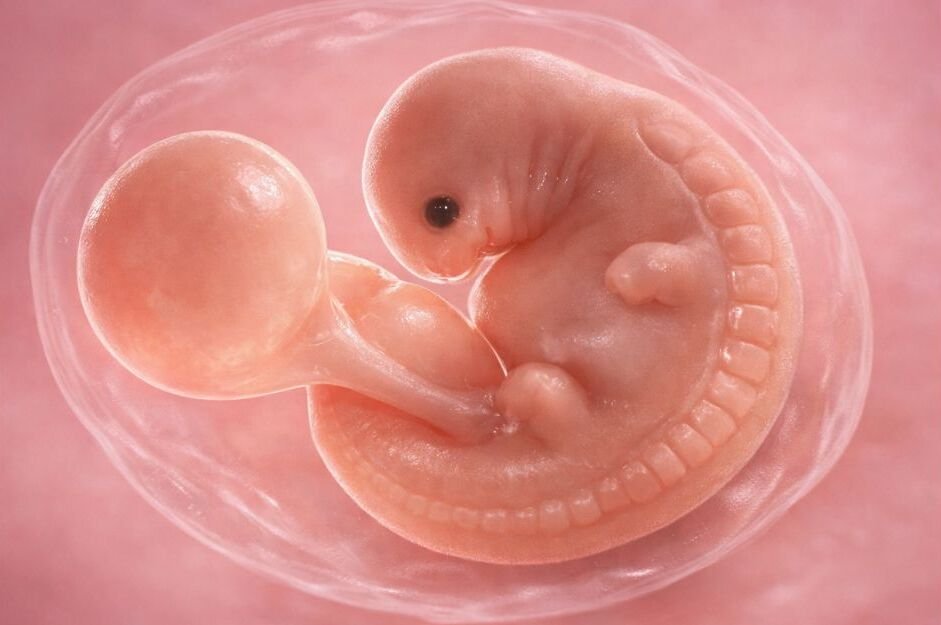
- Neural tube – which will later become the brain and spinal cord.
- Heart – gradually begins to function, connecting with the nerves and blood supply from the mother.
- Early body structure – head, neck, and hands – the first signs of the shape of the hand.
Simply put, at 5 weeks, the baby is visually very small and cannot be seen with the human eye; it can be seen very finely with ultrasound.
What to avoid at 5 weeks pregnant
The body is in a very sensitive state at 5 weeks pregnant. It is very important to avoid certain things during this time, so that the health of the baby and your own well being are maintained. Below are the main points:
1. Avoid certain foods and drinks
- Raw or undercooked meat and eggs: Can be infected with salmonella or other bacteria.
- Raw seafood and shellfish: There is a risk of listeria or other germs.
- Caffeine and alcohol: Excess coffee, tea or alcohol can affect the development of the baby.
2. Use medicines and hormones with caution
- Do not take any medicine without the advice of a doctor.
- Painkillers or hormonal drugs can be harmful during pregnancy.
- Do not use natural or homeopathic medicines without the advice of a doctor.
3. Reduce physical and environmental risks
- Avoid smoking and fumes can affect the development of the baby’s lungs.
- Avoid heavy lifting or strenuous exercise.
- Stay away from radiation, chemicals, and toxic jobs or environments.
Your body is still very sensitive at 5 weeks. Simply put, eat clean, take medications carefully, and avoid risky places.
Early Miscarriage Symptoms at 5 Weeks Pregnant
The signs of early miscarriage at 5 week pregnant can be somewhat subtle, but if you pay close attention, some common symptoms can be identified.
Possible signs of early miscarriage at 5 week pregnancy
Bleeding or light spotting
- Light to moderate bleeding, sometimes brown or pink in color.
- This may be different from a girl’s normal “implantation bleeding”, which is usually lighter.
Abdominal or navel cramping
- Mild to moderate abdominal pain or pressure may be felt.
- This may be similar to menstrual cramps, but sometimes it is more severe.
Back or lower back pain
- A feeling of tightness in the lower back or waist may be felt.
- Sudden or unusual hormonal changes
- Sudden increase or decrease in breast tenderness, mood swings, fatigue.
Sudden change in the position of the fetus
- Sudden decrease in common pregnancy symptoms, such as nausea or vomiting.
- Difficulty in feeling the size or feel of the uterus
- A feeling of tightness or pressure in the lower abdomen.
Important information:
- These symptoms do not always guarantee a miscarriage. Sometimes light spotting and pain occur naturally at 5–6 weeks.
- If bleeding is heavy, there is severe pain, or other unusual symptoms occur, it is important to contact a doctor immediately.
5 Weeks Pregnant Nutrition
Proper nutrition at 5 weeks pregnant is very important for the baby’s early growth and the mother’s well-being. At this time, the baby is very small, but its neural tube, heart and other important organs have started to form, so nutrition should be taken carefully.
Important nutrients at 5 weeks pregnant
Folic acid
- It is essential for the development of the neural tube.
- Amount: 400–800 micrograms per day.
- Source: Spinach, broccoli, lentils, organic eggs.
Iron
- To avoid anemia and ensure oxygen supply to the baby.
- Source: Meat, lentils, spinach, nuts.
Calcium
- It is important for the formation of bones and teeth.
- Source: Milk, yogurt, cheese, broccoli.
Protein
- Helps in the development of cells and organs.
- Source: Meat, fish, eggs, lentils, nuts.
Omega-3 fatty acids
- Helps in brain and eye development.
- Sources: Salmon, chia seeds, walnuts.
Vitamin D
- Helps in bone development and increases calcium absorption.
- Sources: Sunlight, eggs, milk.
Hydration
- It is important to drink enough water, 8–10 glasses of water daily.
Food tips
- Eat small and regular meals.
- Avoid processed and excess sugar and fast food.
- Eat light, fiber-rich foods to avoid constipation.
- Limit caffeine.
Benefits of Prenatal Vitamins in Early Pregnancy
It is very important to take prenatal vitamins in early pregnancy. Especially in the early stages like 5 weeks, it helps in the proper development of the fetus and protects the health of the mother. In simple terms, the main benefits are:
1. Development of the fetal brain and nervous system
- Folic acid: Helps in the proper development of the fetal brain and spinal cord (neural tube).
- Example: Reduces birth defects in the spinal cord or brain.
2. Increases bone and tooth strength
- Calcium and vitamin D: Important in the formation of the baby’s bones and teeth.
- Benefit: Reduces bone weakness and also protects the mother’s bones.
3. Normal blood growth
- Iron: Increases blood volume during pregnancy.
- Benefit: Reduces the risk of anemia and reduces fatigue.
4. Maintains general health and energy
- Vitamins B, C, E and Zinc: Helps in the growth of body cells, immunity and energy.
Note
- Take vitamins daily as prescribed by your doctor.
- Vitamins are not just a substitute for food, they are a supplement to food.
- Overdose or excessive intake can cause problems.
5 Weeks Pregnancy Tips Chart
| Category | Key Focus | Recommended Tips |
| Nutrition | Fetal & Maternal Health | – Consume foods rich in folic acid, calcium, and iron daily- Drink enough water (8–10 glasses)- Avoid fast food, excessive sugar, or junk food |
| Prenatal Vitamins | Proper Development of Body & Fetus | – Take prenatal vitamins as advised by your doctor- Avoid overdosing |
| Physical Changes | Breasts, Abdomen, Fatigue | – Do light exercises or go for walks- Ensure adequate sleep- Contact your doctor for severe pain or unusual bleeding |
| Mood & Emotions | Hormonal Changes | – Try to reduce stress- Practice meditation or light yoga- Talk to family or friends if needed |
| Warning Signs | Possible Miscarriage or Complications | – See a doctor immediately if you experience heavy bleeding, severe abdominal pain, fever, or watery discharge |
Daily Tips:
- It is better to eat small meals frequently.
- A light walk or yoga is good for the body and mind.
- Monitor yourself; it is important to contact a doctor to avoid any unusual symptoms.
Physical changes in a 5 week pregnant woman
Many subtle changes begin to occur in the mother’s body during the 5 week pregnancy. Although the fetus is very small at this time, the body reacts in various ways due to hormonal changes. The physical changes during the 5th week of pregnancy are:
1. Breast changes
- Breasts may feel larger or heavier.
- Sensitivity may increase in the areola, neck, or around the breast.
- The nipple or the dark area around it (areola) may darken.
2. Fatigue and sleep problems
- More fatigue is felt due to the increase in the pregnancy hormone (progesterone).
- The need for sleep increases during the day.
- There may be sleeplessness or discomfort at night.
3. Digestive and stomach changes
- There may be nausea, vomiting, or mild indigestion.
- The stomach may swell or feel mild cramps.
- Interest or preferences in food may change.
4. Mental and emotional changes
- Emotions may change rapidly due to hormonal fluctuations.
- Anxiety, happiness, anger, or apathy may occur together.
5. Other subtle symptoms
- Increased frequency or frequency of urination.
- Mild acne or skin discoloration on the face or skin.
- There may be increased sensitivity to smell.
Warning:
- Sudden or severe pain, heavy bleeding, or fever should be reported to a doctor immediately.
- The physical changes at this stage are usually normal, but it is important to monitor yourself.
Conclusion
5 weeks of pregnancy is a very sensitive and important period for the mother and the baby. During this time, hormonal changes, fatigue, nausea, breast tenderness and emotional fluctuations naturally occur in the body. A healthy lifestyle, balanced diet, adequate rest and taking prenatal vitamins are especially important during the 5th week of pregnancy. During this time, the baby’s neural tube, heart and other important organs begin to form, which are the basis for future development. Therefore, it is very important to be aware of the health of the mother and the fetus.
Although the risk of early miscarriage is normal, if excessive bleeding, severe abdominal pain or unusual symptoms occur, it is necessary to see a doctor immediately. A 5-week ultrasound helps confirm pregnancy, monitor the baby’s position and development, and predict possible problems. By being sensitive and careful during this time, it is possible to ensure a safe and healthy pregnancy for both the mother and the baby.