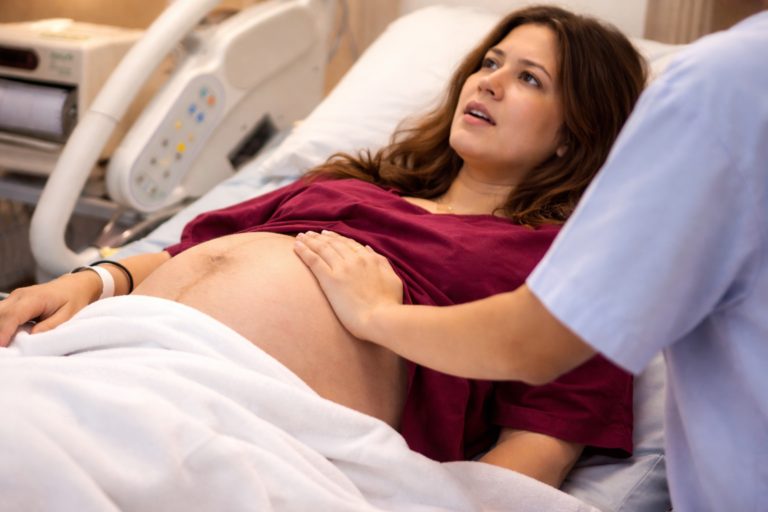


At 26 weeks pregnancy, both the baby and the mother experience significant growth and changes. The baby’s body develops rapidly, with increasing fat, stronger lungs, and more noticeable movements. The mother can clearly feel kicks, rotations, and subtle pulses, which indicate the baby’s active presence.
During this stage, the mother may notice abdominal growth, mild back pain, fatigue, and hormonal changes affecting mood and skin. Proper rest, balanced nutrition, and light exercise are essential. Regular doctor consultations and ultrasound checkups ensure the baby’s health while maintaining peace of mind and comfort for the mother.
Baby at 26 Weeks Pregnancy
The baby’s growth is very rapid at 26 weeks pregnancy . At this time, the baby’s length is about 34–36 centimeters and weight is about 800–900 grams. Although the baby’s skin is still a bit thin, fat is gradually starting to accumulate, which will help regulate body temperature after birth. The lungs are getting stronger and the baby can practice breathing. In addition, the baby’s brain is developing rapidly, and the color of its eyes is gradually developing. At this time, the mother can clearly feel the baby’s kicks and pulse.
Normal physical changes begin for the mother at this time. The abdomen increases, sometimes back pain or pressure may be felt in the waist. Adequate rest, a balanced diet, and light exercise are very important at this time. Regular doctor consultations and ultrasound checkups help ensure the baby’s health. Maintaining peace of mind and a healthy lifestyle are beneficial for both the mother and the baby.
26 Weeks Pregnancy Symptoms
Many important changes occur between the mother and the baby during the 26 weeks pregnancy. During this period, the baby’s body is developing rapidly, and the mother can experience some new sensations both physically and mentally. The baby’s kicks and movements become more pronounced, due to which the mother can better understand his active presence. In addition, some common symptoms may appear due to various changes in the body. Below are the most common symptoms explained in detail at this stage:
1. Baby’s kicks and movements:
At this time, the baby’s legs and arms are getting stronger, so his kicks and rotations become stronger and more pronounced than before. Many mothers feel these movements more than once a day, which is a sign of the baby’s well-being and activity.
2. Abdominal growth and pain:
The belly starts to grow rapidly during pregnancy. This can cause mild pain in the back or waist in some cases. In addition, the skin on the abdomen may feel tight, which is common and normal.
3. Shortness of breath and fatigue:
As the baby grows, the lung space starts to decrease. As a result, the mother may feel short of breath or fatigue at times. Regular rest and gradual physical activity can help.
4. Reproductive changes:
During this time, due to hormonal changes, a light discharge or moisture may appear from the vagina. This is usually normal, but you should see a doctor in case of an unusual smell or color.
5. Hair, skin and nail changes:
During pregnancy, hormones cause hair growth to accelerate, the skin may become brighter in some cases and the nails may become stronger. However, sometimes hair loss or a rough feeling of the skin may also occur.
6. Mental and emotional changes:
Due to hormonal fluctuations, mothers may experience changes in emotionality, anxiety or laughter and crying. The support of family and friends is important to maintain mental peace at this time.
How big is a baby at 26 Weeks Pregnancy?
The baby’s growth is quite rapid at 26 weeks pregnancy. At this time, the baby’s length is about 35–37 centimeters and weight can be about 850–900 grams. Although his skin is still a little thin, fat is gradually accumulating, which will help him regulate his body temperature after birth. The baby’s liver and kidneys are working actively and his lungs are getting stronger, which will help him breathe after birth. At this time, the baby’s movements and kicks are felt more clearly, which the mother can clearly feel in her body.

Changes also occur in the mother’s body. The size of the belly may cause mild pain in the waist and back. In addition, the pregnant mother’s weight increases slightly, and due to the baby’s rapid growth and mobility, she may sometimes feel shortness of breath or fatigue. Proper nutrition, adequate rest, and light exercise are especially important during this time. Regular medical check-ups and consultations help ensure the baby’s health.
What does a baby look like at 26 Weeks Pregnancy in the womb?
At 26 weeks pregnancy, the baby’s body is growing rapidly. At this time, the baby’s length is about 34–36 centimeters and weight is about 800–900 grams. The baby’s skin is now slightly reddish and flabby, because fat is accumulating under it. The eyelids are fully formed and the baby’s eyes are sometimes open, sometimes closed. The liver, lungs and various parts of the brain are working more actively. The baby’s fingernails and toenails are also fully formed at this time.
During this time, the baby’s body movements are felt very clearly. The mother can feel the baby’s kicks, rotations and light throbs inside the body. The baby’s sensitivity increases, he can react to light and sound. In the womb, his eyes and ears connect more actively with the environment. During this time, it is very important for the mother to get adequate nutrition, rest and care for the baby’s growth and development.
26 Weeks Pregnancy is how many months?
A 26 weeks pregnancy is basically around six months. A pregnancy usually lasts for about 40 weeks, which is equal to 9 months. To convert weeks to months, divide the number of weeks by 4.3 to get about months. So 26 weeks reaches the 6-month mark. Important changes occur for the mother and the baby during this time. The baby’s physical growth and organ development are rapid. The baby’s skin gradually starts to thicken and fat begins to accumulate under the skin, which will help regulate temperature after birth.
Various changes also occur in the mother’s body. The belly starts to grow, and the baby’s movements can be clearly felt. Some mothers may have mild pain in the waist or back. Proper nutrition, adequate rest and regular medical advice are very important during this time. If any unusual symptoms occur, the doctor should be contacted immediately. Peace of mind and proper care are helpful for the mother during this time, so that the pregnancy is safe and comfortable.
Pregnancy Time Calculator
26 week ultrasound
At 26 weeks Ultrasound is an important means of monitoring the development of the baby. At this time, the baby is much more active than before and its organs such as hands, feet, head and face are more clearly visible. Ultrasound can determine the weight, height and position of the baby. At the same time, the position of the placenta and the amount of amniotic fluid are also checked, which ensures the well-being and safety of the baby.
Ultrasound at this stage provides important guidance for the health of the mother and baby. The doctor checks the baby’s heartbeat, breathing and movement. In addition, any abnormalities can be identified in time. Ultrasound at 26 weeks helps in planning the next pregnancy, implementing proper nutrition and safe habits. It provides peace of mind and assurance about the baby’s development for the mother and family.
What to expect at 26 Weeks Pregnancy
During the 26 weeks pregnancy, both the mother and the baby undergo significant changes. During this time, the baby becomes more active, ligaments and hand movements are clearly felt. The baby may weigh about 800–900 grams and be about 34–36 centimeters long. Although the skin is still a bit thin, fat gradually begins to accumulate, which will help regulate temperature after birth. The lungs continue to grow and the baby gradually begins to practice breathing.
Various changes also occur in the mother’s body. The belly becomes larger, and the feeling of the baby’s jumps, kicks and rotations becomes stronger. Some mothers may experience mild back pain, swelling in the ankles or sleep disturbances. Proper nutrition, adequate water, rest and light exercise are very important during this period. Regular medical advice ensures the health of the baby and the mother.
Your Pregnant Belly at 26 Weeks
During the 26 weeks pregnancy, your belly becomes much larger and higher. The baby is growing rapidly at this time and its movements are more clearly felt. Mild pain, pressure, and some discomfort are normal due to the size of the belly. Your skin may also feel tight on the belly, and stretch marks may appear. In addition, some mothers may experience mild bloating, gas, or digestive problems. Proper nutrition, adequate water, and rest are very important during this time.

As your baby is more active, small kicks or rotations in the belly are clearly detected. Proper posture and light exercise during this time help reduce back pain. Sleep problems may also increase somewhat, so it is important to maintain a comfortable sleeping arrangement. It is possible to spend this time much more comfortably and safely if you follow your doctor’s advice regularly and take care of yourself.
Why does the baby move so much at night?
Many mothers notice that their baby is especially active at night during pregnancy. The main reason for this is that the mother is more active during the day, walking or working, so she is less likely to feel the baby’s direct movements. When the mother is resting or lying down, the body is moving less and the mother can easily feel the small movements that the baby makes. Also, the mother is usually calmer at night, so the baby’s movements or kicks are more noticeable.
Another reason is the baby’s own sleep-wake cycle. The baby’s sleep pattern may not fully match the mother’s, so the baby’s activity may increase at night. In addition, the increase in blood sugar levels after meals makes the baby a little more active. Some mothers feel the baby’s movements more clearly because they are less stressed or excited. Overall, the baby’s movements at night are normal and a healthy sign.
26 Weeks Pregnancy Checklist
- Attend regular prenatal check-up
- Monitor baby’s movements
- Maintain a healthy diet & hydration
- Take prenatal vitamins
- Plan light exercises or prenatal yoga
- Prepare for maternity leave
- Track weight gain and blood pressure
- Discuss birthing plan with doctor
Tips for 26 Weeks Pregnancy
At 26 weeks of pregnancy, significant changes can be observed in both the baby’s growth and the mother’s body. During this time, your belly is getting bigger, the baby’s movements are clearly felt, and some new challenges may arise in your daily life. Proper care, adequate rest, nutritious food, and regular doctor’s advice make this time safer and more comfortable.Important tips and guidelines:-
1. Monitor the baby’s movement
It is very normal for the baby to jump or kick at 26 weeks. The baby’s movement may be felt more at different times of the day, especially at night. It is important to monitor the baby’s movement regularly, as it provides information about his health. If the baby’s movement suddenly slows down, the doctor should be informed immediately.
2. Eat nutritious food
Your body and the baby are growing rapidly during this time. Therefore, it is very important to eat foods rich in protein, vitamins, calcium, and iron. Make fresh fruits, vegetables, pulses, milk, and yogurt a regular part of your diet. These nutrients play a major role in building strong bones, brain, and muscles before delivery.
3. Get enough rest
The body is gradually starting to get heavy, so it is necessary to maintain the quality of sleep. Reducing responsibility or work pressure and taking light rest during the day is helpful for the body. The habit of sleeping on the left side is safe for the baby’s blood flow.
4. Light exercise and walking
Weekly light exercise, such as walking or pregnancy yoga, increases blood flow to the body, keeps muscles strong and reduces stress. However, before doing any exercise, be sure to consult a doctor.
5. Regular medical consultation
Pre-natal checkups are important during this time. If there is high blood pressure, sugar or any other problem, it can be detected in time. Vaccines, vitamin supplements and other tests should be done as per the doctor’s advice.
6. Take care of mental health
Stress, anxiety or emotional changes are normal during pregnancy. Family support, light meditation or meditation are very beneficial for mental health. Give yourself time, keep yourself well and talk to a counselor if necessary.
Conclusion
By 26 weeks, the baby’s development is remarkable, with growing organs, stronger muscles, and increasing responsiveness to light and sound. The mother’s body continues to adapt, showing changes like abdominal expansion, shortness of breath, and emotional fluctuations. Observing the baby’s movements and maintaining healthy habits help ensure a smooth pregnancy journey.
Following a nutritious diet, light exercise, adequate rest, and regular medical consultations supports both the baby and the mother. Mental well-being is equally important, and family support plays a key role. Staying attentive to changes and practicing self-care makes this stage safer, comfortable, and enjoyable.